THE ADVENTURE COLLECTIVE® · Independent discovery and booking for outdoor travel

Spend a full day walking through Osaka’s neighborhoods, tasting market snacks and visiting historic shrines and skyline viewpoints. This private tour combines culinary stops with cultural context for an efficient, immersive introduction to the city.
Spend a full day walking through Osaka’s neighborhoods, tasting market snacks and visiting historic shrines and skyline viewpoints. This private tour combines culinary stops with cultural context for an efficient, immersive introduction to the city.
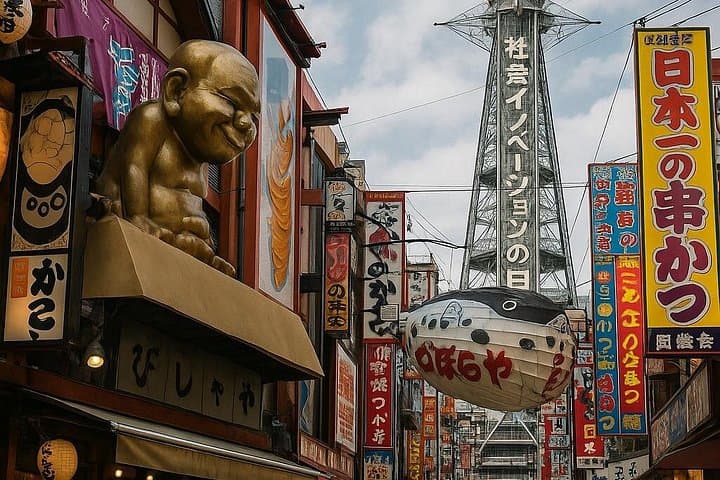
They step from the shaded alleys of Tenjinbashi-suji into Dotonbori where neon lights argue with the evening sky and the canal nudges you forward. Over the course of a day the city switches characters—samurai-era stone at Osaka Castle, polished concrete at Umeda Sky Building, and the low-slung wooden roofs of Shitennoji—each stop folding local history into the present.
Verified experiences and guided adventures in the surrounding area.
Operated by OrigamiGo · Osaka, Osaka
They step from the shaded alleys of Tenjinbashi-suji into Dotonbori where neon lights argue with the evening sky and the canal nudges you forward. Over the course of a day the city switches characters—samurai-era stone at Osaka Castle, polished concrete at Umeda Sky Building, and the low-slung wooden roofs of Shitennoji—each stop folding local history into the present.
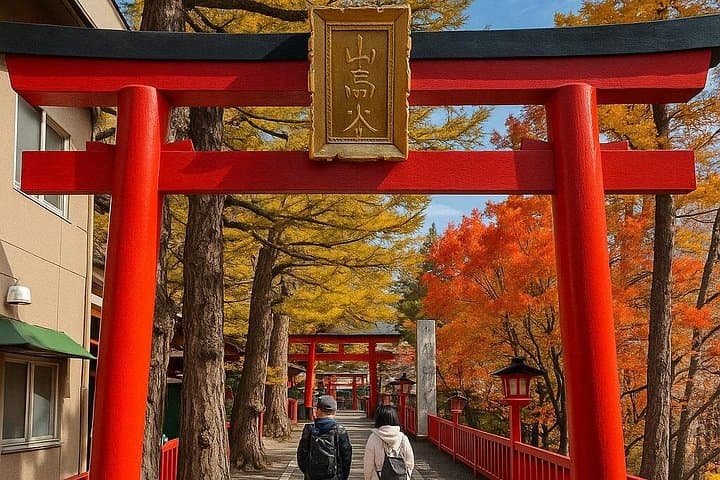
Osaka sits on the Kansai Plain, a riverine city shaped by the Yodo and Dojima waterways and centuries of land reclamation. That geography made it a trading hub and explains the abundance of markets: Kuromon Market remains practical and lively, a modern echo of Edo-period commerce. Cultural touchstones here include Sumiyoshi Taisha’s archaic Shinto form and Shinsekai’s retro Showa-era atmosphere; both speak to Osaka’s layered identity as both merchant city and working port.
Practical planning makes the most of the day. Expect 8–10 hours of walking with frequent stops—comfortable shoes are essential; so is a backup power bank for phones used to translate menus and pay via mobile apps. Midday in summer brings humidity and crowded food stalls; mornings and late afternoons are cooler and easier for photos and lines. Carry some cash for small vendors, but IC cards (Suica/Pasmo) are widely accepted for transit and many shops.
A private guide smooths logistics, offers context at each shrine and castle, and steers you to the freshest street bites. Pace the day, hydrate between tasting stops, and be ready to swap the map for curiosity—the city rewards those who look up and down equal measure.
Food tastings at markets and street stalls are typically part of the itinerary, but full meals and some paid admissions are usually not included—confirm with the operator.
Expect continuous walking with frequent short stops—plan for 8–10 hours on your feet with opportunities to rest at cafes and viewpoints.
Yes; private guides can adjust food stops for allergies or preferences but should be informed at booking to arrange alternatives.
Many areas are stroller-accessible, though markets and narrow alleys can be crowded—operators often note stroller access and can advise on routes.
OrigamiGo operates guided outdoor trips and adventures with an emphasis on safety, stewardship, and memorable experiences.
They step from the shaded alleys of Tenjinbashi-suji into Dotonbori where neon lights argue with the evening sky and the canal nudges you forward. Over the course of a day the city switches characters—samurai-era stone at Osaka Castle, polished concrete at Umeda Sky Building, and the low-slung wooden roofs of Shitennoji—each stop folding local history into the present.
They step from the shaded alleys of Tenjinbashi-suji into Dotonbori where neon lights argue with the evening sky and the canal nudges you forward. Over the course of a day the city switches characters—samurai-era stone at Osaka Castle, polished concrete at Umeda Sky Building, and the low-slung wooden roofs of Shitennoji—each stop folding local history into the present.
Osaka sits on the Kansai Plain, a riverine city shaped by the Yodo and Dojima waterways and centuries of land reclamation. That geography made it a trading hub and explains the abundance of markets: Kuromon Market remains practical and lively, a modern echo of Edo-period commerce. Cultural touchstones here include Sumiyoshi Taisha’s archaic Shinto form and Shinsekai’s retro Showa-era atmosphere; both speak to Osaka’s layered identity as both merchant city and working port.
Practical planning makes the most of the day. Expect 8–10 hours of walking with frequent stops—comfortable shoes are essential; so is a backup power bank for phones used to translate menus and pay via mobile apps. Midday in summer brings humidity and crowded food stalls; mornings and late afternoons are cooler and easier for photos and lines. Carry some cash for small vendors, but IC cards (Suica/Pasmo) are widely accepted for transit and many shops.
A private guide smooths logistics, offers context at each shrine and castle, and steers you to the freshest street bites. Pace the day, hydrate between tasting stops, and be ready to swap the map for curiosity—the city rewards those who look up and down equal measure.