THE ADVENTURE COLLECTIVE® · Independent discovery and booking for outdoor travel

Stroll riverfront promenades, Neo-Renaissance civic buildings, and the green sweep of Osaka Castle Park on a relaxed 2–3 hour walk. Taste century-old wagashi, see seasonal roses and maples, and learn the city’s Meiji and feudal-era stories from an English guide.
Stroll riverfront promenades, Neo-Renaissance civic buildings, and the green sweep of Osaka Castle Park on a relaxed 2–3 hour walk. Taste century-old wagashi, see seasonal roses and maples, and learn the city’s Meiji and feudal-era stories from an English guide.
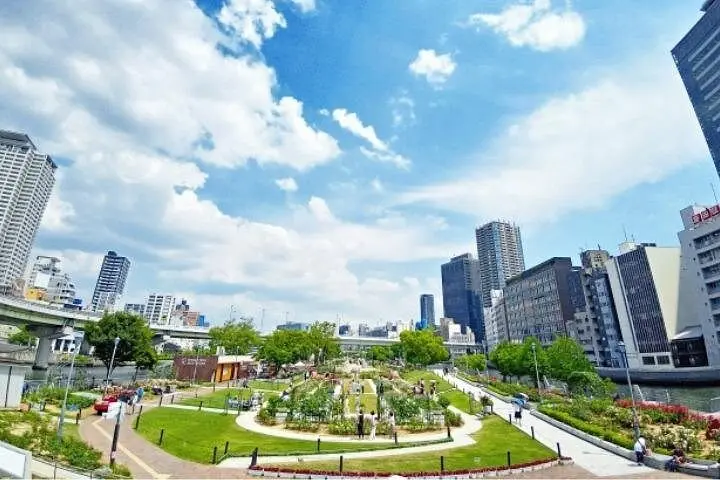
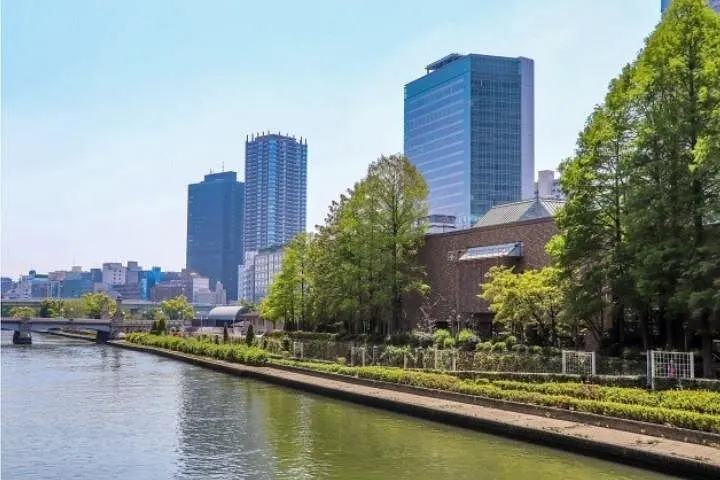
A cool morning air follows the river as walkers step out from Exit 6 of Oebashi Station and onto the wide stone path of Nakanoshima. The Dojima and Tosabori rivers act like urban veins, pushing the city along with steady current; bridges arch overhead and the Central Public Hall’s brick façade anchors the scene. The walk unfolds at a relaxed pace—river views, century-old library columns, and a pause for wagashi that tastes of sugar and history.
Verified experiences and guided adventures in the surrounding area.
Operated by Reelu inc · Osaka, Osaka Prefecture
A cool morning air follows the river as walkers step out from Exit 6 of Oebashi Station and onto the wide stone path of Nakanoshima. The Dojima and Tosabori rivers act like urban veins, pushing the city along with steady current; bridges arch overhead and the Central Public Hall’s brick façade anchors the scene. The walk unfolds at a relaxed pace—river views, century-old library columns, and a pause for wagashi that tastes of sugar and history.
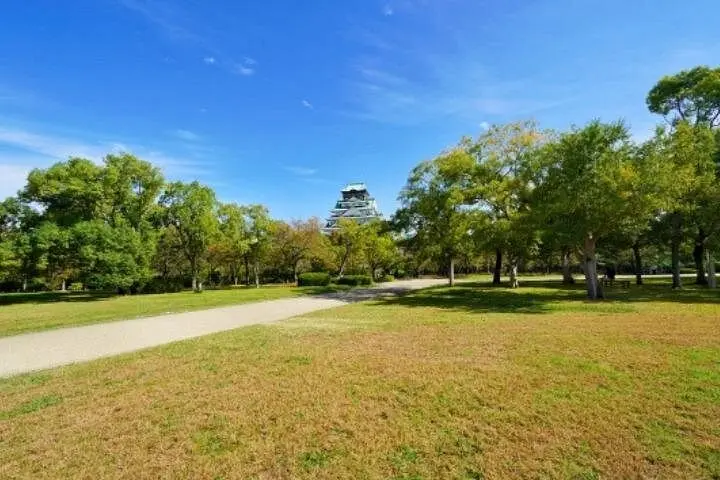
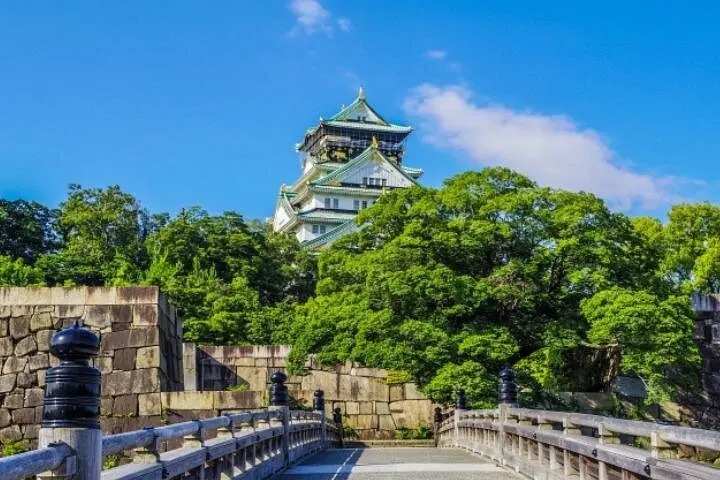
This route threads two distinct eras of Osaka. Nakanoshima Park dates to the Meiji period and shows off Neo-Renaissance civic architecture; the route then moves toward the massive moats and stonework of Osaka Castle, originally raised by Toyotomi Hideyoshi in the late 1500s. Geology here is subtle—man-made embankments and restored stone walls shaped to hold defensive water, and the park’s flat lawns that hold seasonal displays of roses, ginkgo, and maples.
Walkers should plan for roughly 2–3 hours and light city walking: flat paved paths with occasional stairs and gravel at the castle’s base. Bring water, comfortable shoes, and small change for cafés or sweets. Timing matters—mid-May to early June and mid-October to mid-November are best for roses; early November brings maple color around the castle. Guides typically offer photos and English narration, but castle keep admission is extra if you want the museum.
This experience pairs easy urban exploration with tactile history—stone, water, and craft—making it a short, satisfying loop for first-time visitors and repeat Osaka lovers alike.
No, the tour walks through Osaka Castle Park and shows the castle exterior; entry to the castle keep and museum is not included and requires separate admission.
Yes—paths in Nakanoshima and much of Osaka Castle Park are accessible, though some historic areas have steps; contact the operator in advance for specific assistance.
Yes—upon request the guide is happy to take photos with your phone during the tour.
The experience lasts about 150 minutes and is an easy-paced, urban walk with minimal elevation change suitable for most people.
Reelu inc operates guided outdoor trips and adventures with an emphasis on safety, stewardship, and memorable experiences.
A cool morning air follows the river as walkers step out from Exit 6 of Oebashi Station and onto the wide stone path of Nakanoshima. The Dojima and Tosabori rivers act like urban veins, pushing the city along with steady current; bridges arch overhead and the Central Public Hall’s brick façade anchors the scene. The walk unfolds at a relaxed pace—river views, century-old library columns, and a pause for wagashi that tastes of sugar and history.
A cool morning air follows the river as walkers step out from Exit 6 of Oebashi Station and onto the wide stone path of Nakanoshima. The Dojima and Tosabori rivers act like urban veins, pushing the city along with steady current; bridges arch overhead and the Central Public Hall’s brick façade anchors the scene. The walk unfolds at a relaxed pace—river views, century-old library columns, and a pause for wagashi that tastes of sugar and history.
This route threads two distinct eras of Osaka. Nakanoshima Park dates to the Meiji period and shows off Neo-Renaissance civic architecture; the route then moves toward the massive moats and stonework of Osaka Castle, originally raised by Toyotomi Hideyoshi in the late 1500s. Geology here is subtle—man-made embankments and restored stone walls shaped to hold defensive water, and the park’s flat lawns that hold seasonal displays of roses, ginkgo, and maples.
Walkers should plan for roughly 2–3 hours and light city walking: flat paved paths with occasional stairs and gravel at the castle’s base. Bring water, comfortable shoes, and small change for cafés or sweets. Timing matters—mid-May to early June and mid-October to mid-November are best for roses; early November brings maple color around the castle. Guides typically offer photos and English narration, but castle keep admission is extra if you want the museum.
This experience pairs easy urban exploration with tactile history—stone, water, and craft—making it a short, satisfying loop for first-time visitors and repeat Osaka lovers alike.