THE ADVENTURE COLLECTIVE® · Independent discovery and booking for outdoor travel

A private two‑hour evening walk through Osaka’s most intimate corners: lantern‑lit Hozenji Yokocho, the neon spectacle of Dotonbori, a quiet moment at Ikutama Shrine, and the rooftop gardens of Namba Parks. Practical tips for a smooth, romantic night out.
A private two‑hour evening walk through Osaka’s most intimate corners: lantern‑lit Hozenji Yokocho, the neon spectacle of Dotonbori, a quiet moment at Ikutama Shrine, and the rooftop gardens of Namba Parks. Practical tips for a smooth, romantic night out.
The city breathes differently at dusk — neon signs blink like eyes waking, the canal nudges a cool hint of river air, and the alleyways of Hozenji Yokocho narrow around you as if to keep the world at bay. On this private two‑hour walk, couples move slowly through steam and lantern glow, pausing for a shared bite or a quiet moment beneath a shrine eave.
Verified experiences and guided adventures in the surrounding area.
Operated by Opatrip.com Japan · Osaka, Osaka Prefecture
The city breathes differently at dusk — neon signs blink like eyes waking, the canal nudges a cool hint of river air, and the alleyways of Hozenji Yokocho narrow around you as if to keep the world at bay. On this private two‑hour walk, couples move slowly through steam and lantern glow, pausing for a shared bite or a quiet moment beneath a shrine eave.
Dotonbori has been Osaka’s entertainment spine for centuries, its canal and eateries shaping the city’s appetite for bold flavors and bright nights. Hozenji Yokocho preserves a small piece of older Osaka: flagstone lanes, yakitori counters, and the mossed stone of Hozenji Temple that visitors still touch for luck. Ikutama Shrine offers a brief, reverent calm—Shinto rites and wooden plaques where wishes are left. The walk finishes at Namba Parks, an inventive urban garden rising above retail and transit, where stepped rooftop greenery cools the evening and frames city views.
Practicalities are straightforward: this is gentle walking on mostly paved, sometimes uneven lanes, suitable for all fitness levels; expect moderate crowds in Dotonbori at night. Bring cash for tiny eateries (many are cash‑preferred), wear comfortable shoes for cobbles and stairs, and carry a light layer—coastal Osaka evenings can turn breezy. Respect shrine customs (bow, keep voices low) and plan to use public transit to and from Namba station, a major hub. For couples who prefer private pacing, a local guide can tailor stops for photos, food, or quiet moments, turning the city’s brightness into an intimate two‑hour escape.
Most tours meet near Namba Station (central exit) or a nearby landmark—confirm exact meeting details with your booking confirmation.
Yes—private guides can accommodate simple dietary requests, but small alleyway restaurants may have limited options; notify your guide in advance.
Parts of the route include narrow alleys and short stair sections (Hozenji Yokocho and some Namba Parks levels) which can be challenging; contact the operator to confirm accessibility options.
Tipping is not customary in Japan; a polite thank‑you or small souvenir is appreciated but not expected.
Opatrip.com Japan operates guided outdoor trips and adventures with an emphasis on safety, stewardship, and memorable experiences.

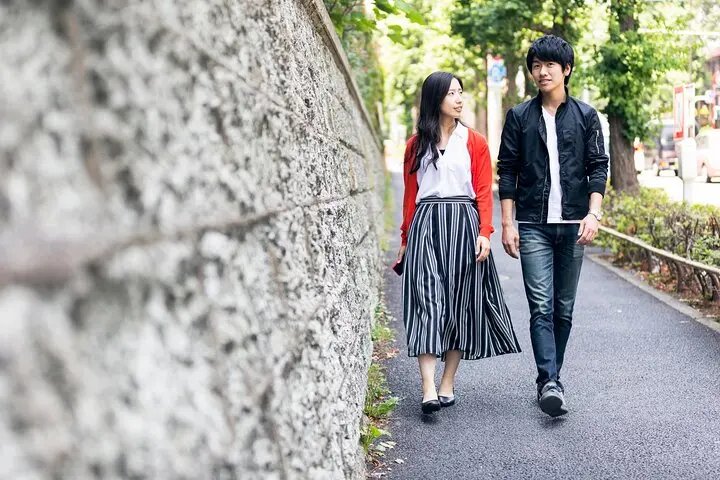
The city breathes differently at dusk — neon signs blink like eyes waking, the canal nudges a cool hint of river air, and the alleyways of Hozenji Yokocho narrow around you as if to keep the world at bay. On this private two‑hour walk, couples move slowly through steam and lantern glow, pausing for a shared bite or a quiet moment beneath a shrine eave.
The city breathes differently at dusk — neon signs blink like eyes waking, the canal nudges a cool hint of river air, and the alleyways of Hozenji Yokocho narrow around you as if to keep the world at bay. On this private two‑hour walk, couples move slowly through steam and lantern glow, pausing for a shared bite or a quiet moment beneath a shrine eave.
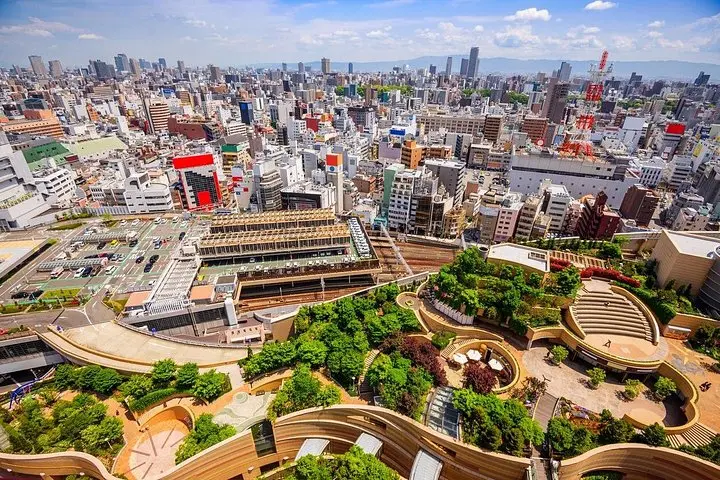
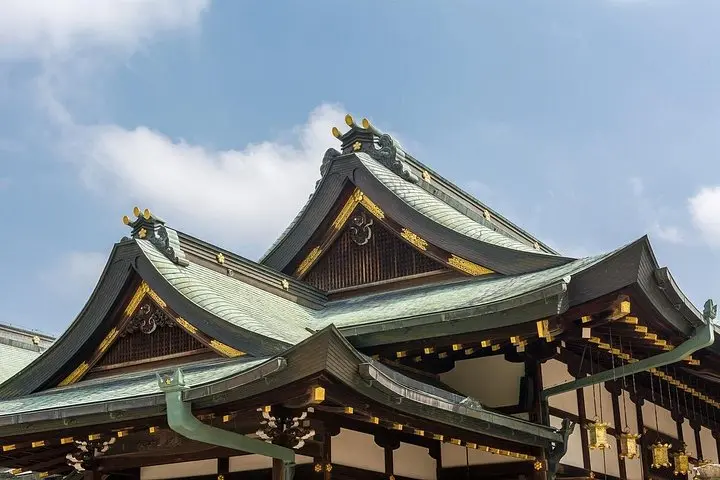
Dotonbori has been Osaka’s entertainment spine for centuries, its canal and eateries shaping the city’s appetite for bold flavors and bright nights. Hozenji Yokocho preserves a small piece of older Osaka: flagstone lanes, yakitori counters, and the mossed stone of Hozenji Temple that visitors still touch for luck. Ikutama Shrine offers a brief, reverent calm—Shinto rites and wooden plaques where wishes are left. The walk finishes at Namba Parks, an inventive urban garden rising above retail and transit, where stepped rooftop greenery cools the evening and frames city views.
Practicalities are straightforward: this is gentle walking on mostly paved, sometimes uneven lanes, suitable for all fitness levels; expect moderate crowds in Dotonbori at night. Bring cash for tiny eateries (many are cash‑preferred), wear comfortable shoes for cobbles and stairs, and carry a light layer—coastal Osaka evenings can turn breezy. Respect shrine customs (bow, keep voices low) and plan to use public transit to and from Namba station, a major hub. For couples who prefer private pacing, a local guide can tailor stops for photos, food, or quiet moments, turning the city’s brightness into an intimate two‑hour escape.