THE ADVENTURE COLLECTIVE® · Independent discovery and booking for outdoor travel

Find a rare calm in central Osaka: a short program that combines Zen meditation, a restorative oil massage, and matcha with temple sweets. Ideal for travelers who want cultural context with hands-on relaxation in one accessible visit.
Find a rare calm in central Osaka: a short program that combines Zen meditation, a restorative oil massage, and matcha with temple sweets. Ideal for travelers who want cultural context with hands-on relaxation in one accessible visit.
You step off a narrow Osaka street and into a low-lit hall where incense threads through the air, drawing the day's noise into silence. Staff in traditional kimono greet you with calm, and the temple's wood and paper architecture seems to lean in, attentive. A short guided zazen session centers the body; then aroma oils and bamboo myofascial tools ease the knots you didn't notice you carried.
Verified experiences and guided adventures in the surrounding area.
Operated by Japanese Massage 唯一無二-the one & only- · Osaka, Osaka Prefecture
You step off a narrow Osaka street and into a low-lit hall where incense threads through the air, drawing the day's noise into silence. Staff in traditional kimono greet you with calm, and the temple's wood and paper architecture seems to lean in, attentive. A short guided zazen session centers the body; then aroma oils and bamboo myofascial tools ease the knots you didn't notice you carried.
The program builds on centuries of Zen practice in Japan: sitting meditation trained to steady attention, and tea-culture rituals that celebrate simplicity. Matcha served with wagashi connects the physical relaxation to a quiet cultural ceremony; the temple staff explain worship procedures and zazen origins so visitors understand what they participate in.
Expect a compact, curated sequence: roughly 15 minutes of seated meditation, a full-body oil massage focusing on release with bamboo tools, and time for photographs and matcha sweets. The environment is indoors and accessible for most people, but zazen involves leg-crossing so comfortable clothing helps.
Practical points: bring socks and wear pants that allow cross-legged sitting; plan 90–120 minutes and arrive 10–15 minutes early. Public transit is nearby, and the booking is instant-confirmation with a 24-hour cancellation window. Respect temple etiquette: remove shoes where directed, keep voices low, and follow staff guidance on photography and incense. This is a restorative cultural experience—part ritual, part wellness treatment—best enjoyed with an open mind and modest attire.
No—guided instruction and brief zazen make this suitable for beginners; staff explain posture and breathing.
Inform booking about any injuries or conditions; therapists can adjust pressure but consult a doctor if you have serious medical concerns.
Yukata rental is not included; wear comfortable clothing and ask staff about modest options if you prefer traditional dress.
A commemorative smartphone photo is included and allowed in designated spots; avoid flash and respect ritual moments.
Japanese Massage 唯一無二-the one & only- operates guided outdoor trips and adventures with an emphasis on safety, stewardship, and memorable experiences.
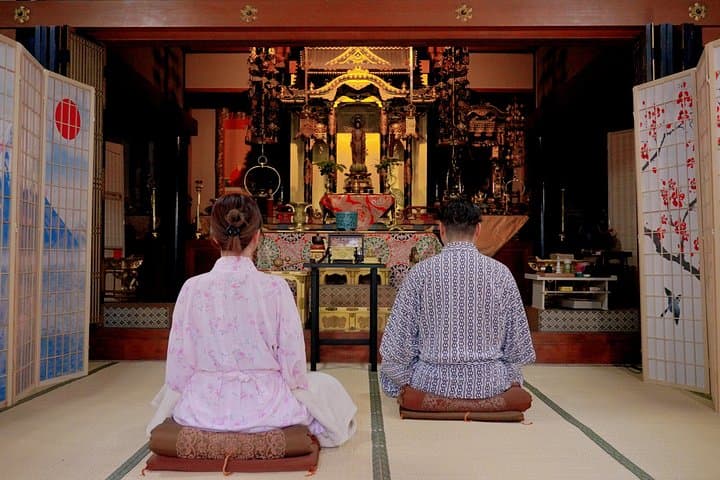
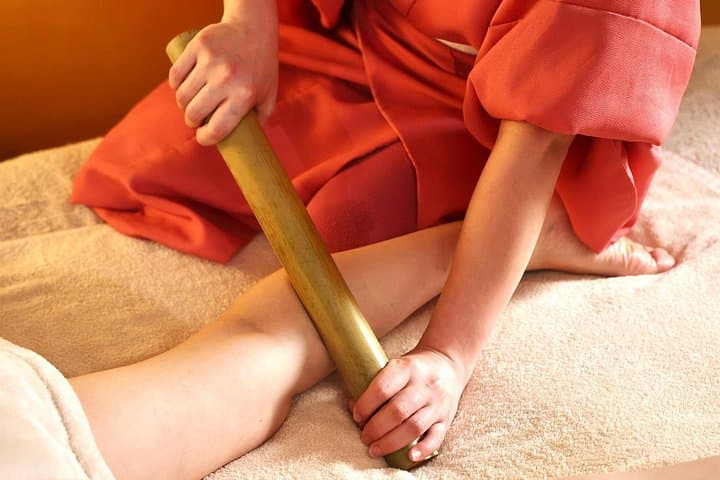
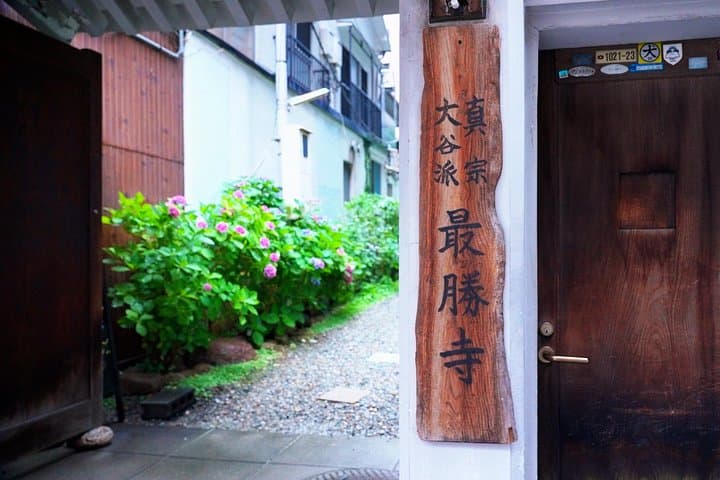
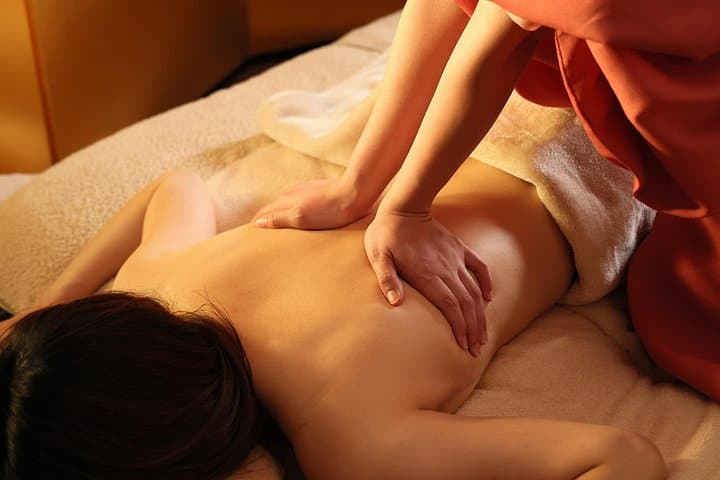
You step off a narrow Osaka street and into a low-lit hall where incense threads through the air, drawing the day's noise into silence. Staff in traditional kimono greet you with calm, and the temple's wood and paper architecture seems to lean in, attentive. A short guided zazen session centers the body; then aroma oils and bamboo myofascial tools ease the knots you didn't notice you carried.
You step off a narrow Osaka street and into a low-lit hall where incense threads through the air, drawing the day's noise into silence. Staff in traditional kimono greet you with calm, and the temple's wood and paper architecture seems to lean in, attentive. A short guided zazen session centers the body; then aroma oils and bamboo myofascial tools ease the knots you didn't notice you carried.
The program builds on centuries of Zen practice in Japan: sitting meditation trained to steady attention, and tea-culture rituals that celebrate simplicity. Matcha served with wagashi connects the physical relaxation to a quiet cultural ceremony; the temple staff explain worship procedures and zazen origins so visitors understand what they participate in.
Expect a compact, curated sequence: roughly 15 minutes of seated meditation, a full-body oil massage focusing on release with bamboo tools, and time for photographs and matcha sweets. The environment is indoors and accessible for most people, but zazen involves leg-crossing so comfortable clothing helps.
Practical points: bring socks and wear pants that allow cross-legged sitting; plan 90–120 minutes and arrive 10–15 minutes early. Public transit is nearby, and the booking is instant-confirmation with a 24-hour cancellation window. Respect temple etiquette: remove shoes where directed, keep voices low, and follow staff guidance on photography and incense. This is a restorative cultural experience—part ritual, part wellness treatment—best enjoyed with an open mind and modest attire.