THE ADVENTURE COLLECTIVE® · Independent discovery and booking for outdoor travel

Walk Tenjinbashi-suji with a local guide and taste six Osaka classics—takoyaki, taiyaki and more—while learning how Tenma shaped the city’s street-food identity. Small group, 2.5 hours, and a hands-on introduction to Osaka’s everyday eating culture.
Walk Tenjinbashi-suji with a local guide and taste six Osaka classics—takoyaki, taiyaki and more—while learning how Tenma shaped the city’s street-food identity. Small group, 2.5 hours, and a hands-on introduction to Osaka’s everyday eating culture.
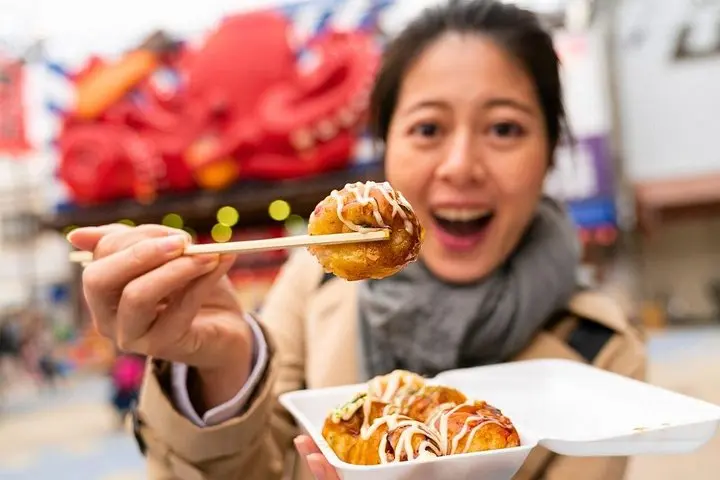
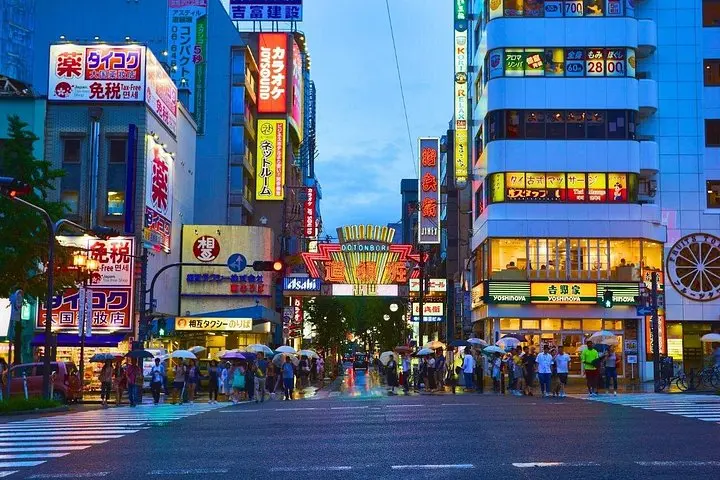
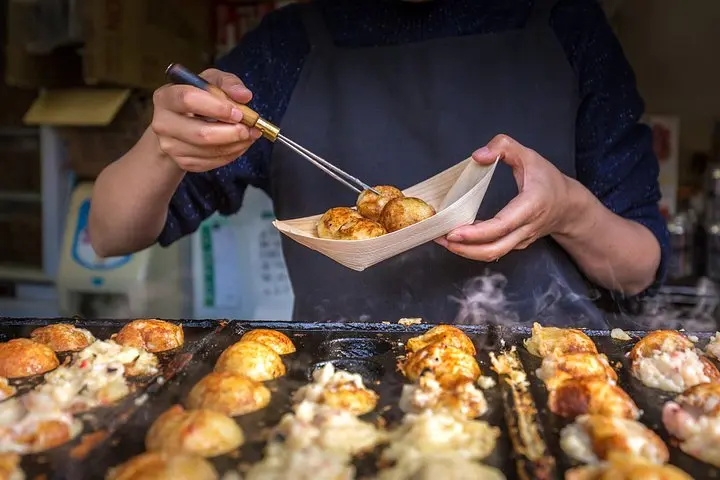
You step into Tenjinbashi-suji and the city’s appetite greets you: cast-iron takoyaki pans hissing, vendors calling out like old friends, and paper lanterns swinging over narrow alleys. The arcade funnels the smells—sweet batter, frying oil, toasted fish paste—into a single, immediate invitation to taste your way through Tenma.
Verified experiences and guided adventures in the surrounding area.
Operated by Discova Southeast Asia · Osaka, Osaka
You step into Tenjinbashi-suji and the city’s appetite greets you: cast-iron takoyaki pans hissing, vendors calling out like old friends, and paper lanterns swinging over narrow alleys. The arcade funnels the smells—sweet batter, frying oil, toasted fish paste—into a single, immediate invitation to taste your way through Tenma.
Tenma grew as a neighborhood of merchants and craftsmen on Osaka’s low alluvial plain; its food culture evolved from quick, portable snacks for busy workers and students. Osaka Tenmangu Shrine, dedicated to Sugawara no Michizane, sits quietly nearby — a reminder that this market life has roots in ritual and community as much as commerce. Geologically the area is flat, carved by rivers and canals that made Osaka a mercantile hub; culturally it’s defined by kuidaore, the joyful habit of eating well and often.
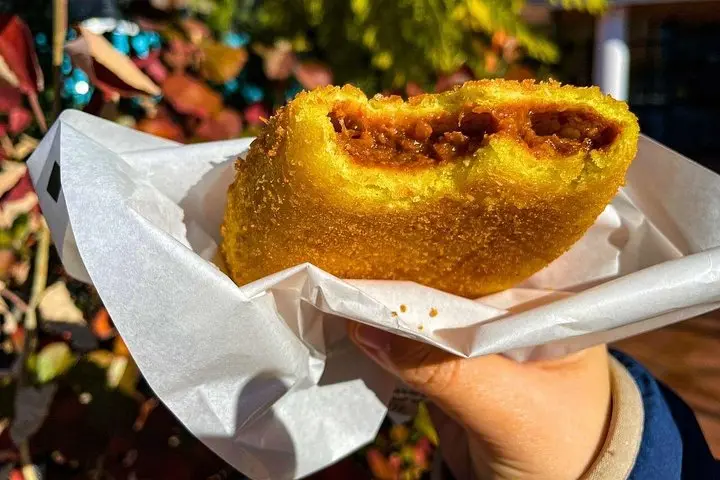
On a 2.5-hour small-group walk you’ll sample around six classic bites—takoyaki, taiyaki, dango, curry bread—each stop chosen day-to-day for freshness and season. Guides explain local ingredients and cooking techniques and point out tiny bakeries, a tucked-away gyoza window, and the shrine’s exam-wishing ema boards.
Practical notes: tours are short but food portions are small—go hungry but pace yourself. Many vendors prefer cash; some items are very hot right off the grill. The route is flat and stroller-friendly but crowded on weekends. If you have strict dietary restrictions, this tour isn’t recommended. Bring comfortable shoes, a light layer for drizzle, and a willingness to queue briefly for the best bites.
The experience lasts about 2.5 hours and includes six small tastings at neighborhood favorites—enough to sample a range without being a full meal.
This tour is not recommended for strict vegetarians, vegans, or those with major allergies; many stops use fish, dashi, or shared preparation areas.
The guide is English-speaking and will explain foods, history, and cultural context throughout the walk.
All sales are final as stated at booking; there are no refunds for cancellations.
Discova Southeast Asia operates guided outdoor trips and adventures with an emphasis on safety, stewardship, and memorable experiences.
You step into Tenjinbashi-suji and the city’s appetite greets you: cast-iron takoyaki pans hissing, vendors calling out like old friends, and paper lanterns swinging over narrow alleys. The arcade funnels the smells—sweet batter, frying oil, toasted fish paste—into a single, immediate invitation to taste your way through Tenma.
You step into Tenjinbashi-suji and the city’s appetite greets you: cast-iron takoyaki pans hissing, vendors calling out like old friends, and paper lanterns swinging over narrow alleys. The arcade funnels the smells—sweet batter, frying oil, toasted fish paste—into a single, immediate invitation to taste your way through Tenma.
Tenma grew as a neighborhood of merchants and craftsmen on Osaka’s low alluvial plain; its food culture evolved from quick, portable snacks for busy workers and students. Osaka Tenmangu Shrine, dedicated to Sugawara no Michizane, sits quietly nearby — a reminder that this market life has roots in ritual and community as much as commerce. Geologically the area is flat, carved by rivers and canals that made Osaka a mercantile hub; culturally it’s defined by kuidaore, the joyful habit of eating well and often.
On a 2.5-hour small-group walk you’ll sample around six classic bites—takoyaki, taiyaki, dango, curry bread—each stop chosen day-to-day for freshness and season. Guides explain local ingredients and cooking techniques and point out tiny bakeries, a tucked-away gyoza window, and the shrine’s exam-wishing ema boards.
Practical notes: tours are short but food portions are small—go hungry but pace yourself. Many vendors prefer cash; some items are very hot right off the grill. The route is flat and stroller-friendly but crowded on weekends. If you have strict dietary restrictions, this tour isn’t recommended. Bring comfortable shoes, a light layer for drizzle, and a willingness to queue briefly for the best bites.