THE ADVENTURE COLLECTIVE® · Independent discovery and booking for outdoor travel

Explore Oslo on a private six‑hour circuit that links industrial Nydalen, the green corridor of Akerselva, the Kon‑Tiki museum and the coastal Bygdøy peninsula. Expect riverside walks, museum access, and a scenic ferry back to the city center.
Explore Oslo on a private six‑hour circuit that links industrial Nydalen, the green corridor of Akerselva, the Kon‑Tiki museum and the coastal Bygdøy peninsula. Expect riverside walks, museum access, and a scenic ferry back to the city center.
A morning in Oslo begins on tiled platforms and tram hum—Nydalen’s converted mills stand like patient machines repurposed for city life as you step off the metro. The guide folds a day pass into your palm and points the group toward the river: Akerselva, the city’s pulsing spine, daring you to follow its green corridor south toward the fjord.
Verified experiences and guided adventures in the surrounding area.
Operated by Uopera tours · Oslo, Oslo
A morning in Oslo begins on tiled platforms and tram hum—Nydalen’s converted mills stand like patient machines repurposed for city life as you step off the metro. The guide folds a day pass into your palm and points the group toward the river: Akerselva, the city’s pulsing spine, daring you to follow its green corridor south toward the fjord.
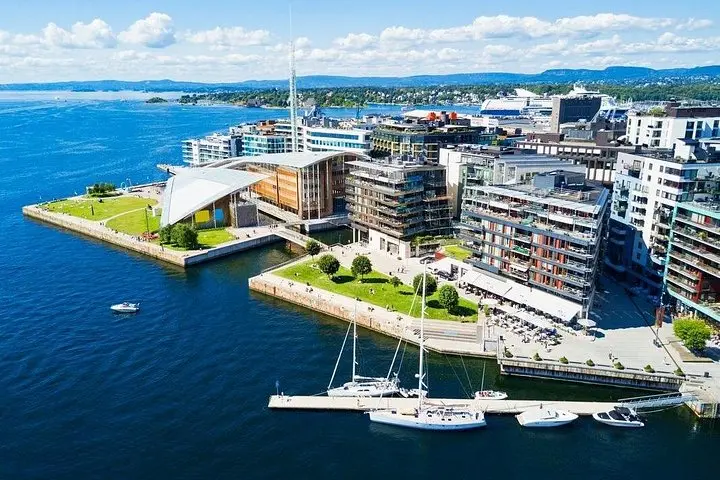
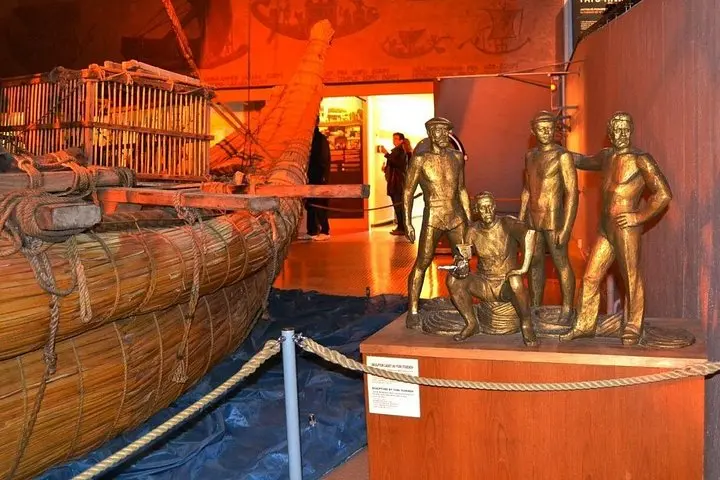
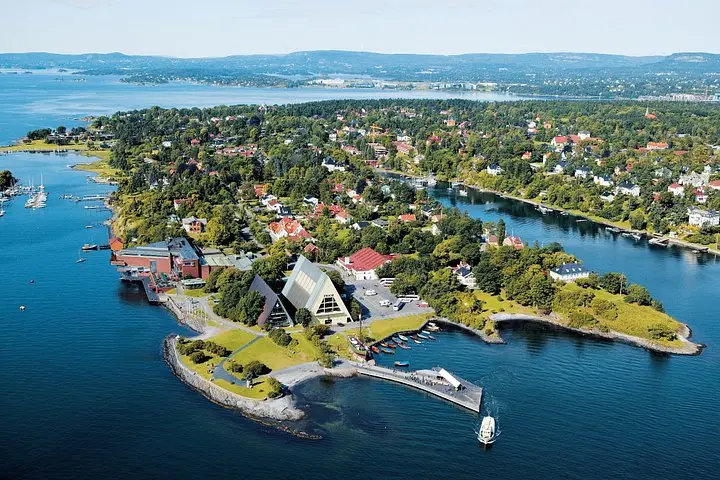
This six‑hour private tour stitches together Oslo’s industrial past and maritime curiosity. Nydalen tells a 19th–20th century factory story that transitioned into offices and apartments after the 1990s; Akerselva traces that history with waterfalls, old mill façades, and a gradual ecological recovery where salmon now return to spawn in upper reaches. Bygdøy on the western side is chiefly a museum peninsula—home to the Kon‑Tiki collection that preserves Thor Heyerdahl’s 1947 balsa raft and the reed Ra II—while coastal trails open to wind and sea birds before a one‑way ferry returns you to the center.
Expect mostly paved riverside paths, short flighted stairs at mills, light forested trails on Bygdøy, and about 6–10 km of walking spread across 6 hours with museum stops included. The guide covers transit logistics, skip‑the‑line Kon‑Tiki entry, and a one‑way ferry ticket—so navigation is low‑stress.
Practical edge: wear grippy walking shoes for wet river stones, layer for shifting Oslo weather, and carry a small refillable bottle—the city’s taps are drinkable. Plan this in daylight hours for best museum access and to watch the river’s current push city life toward the fjord.
Expect roughly 6–10 km total over 6 hours, including short walks between transit stops and time spent inside museums.
Yes; the tour includes skip‑the‑line entry to the Kon‑Tiki Museum as listed in the inclusions.
Yes; the tour uses metro, bus and a one‑way ferry; a day pass and a one‑way ferry ticket are provided.
Yes; the operator notes the start time can be set according to your preference—confirm when booking.
Uopera tours operates guided outdoor trips and adventures with an emphasis on safety, stewardship, and memorable experiences.
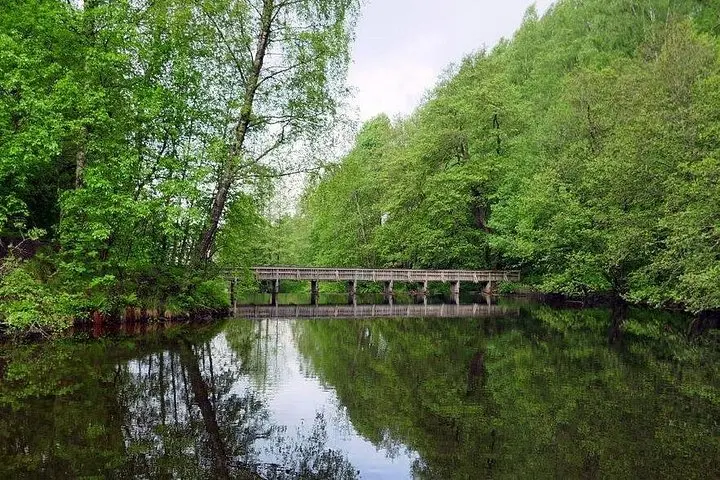
A morning in Oslo begins on tiled platforms and tram hum—Nydalen’s converted mills stand like patient machines repurposed for city life as you step off the metro. The guide folds a day pass into your palm and points the group toward the river: Akerselva, the city’s pulsing spine, daring you to follow its green corridor south toward the fjord.
A morning in Oslo begins on tiled platforms and tram hum—Nydalen’s converted mills stand like patient machines repurposed for city life as you step off the metro. The guide folds a day pass into your palm and points the group toward the river: Akerselva, the city’s pulsing spine, daring you to follow its green corridor south toward the fjord.
This six‑hour private tour stitches together Oslo’s industrial past and maritime curiosity. Nydalen tells a 19th–20th century factory story that transitioned into offices and apartments after the 1990s; Akerselva traces that history with waterfalls, old mill façades, and a gradual ecological recovery where salmon now return to spawn in upper reaches. Bygdøy on the western side is chiefly a museum peninsula—home to the Kon‑Tiki collection that preserves Thor Heyerdahl’s 1947 balsa raft and the reed Ra II—while coastal trails open to wind and sea birds before a one‑way ferry returns you to the center.
Expect mostly paved riverside paths, short flighted stairs at mills, light forested trails on Bygdøy, and about 6–10 km of walking spread across 6 hours with museum stops included. The guide covers transit logistics, skip‑the‑line Kon‑Tiki entry, and a one‑way ferry ticket—so navigation is low‑stress.
Practical edge: wear grippy walking shoes for wet river stones, layer for shifting Oslo weather, and carry a small refillable bottle—the city’s taps are drinkable. Plan this in daylight hours for best museum access and to watch the river’s current push city life toward the fjord.