THE ADVENTURE COLLECTIVE® · Independent discovery and booking for outdoor travel

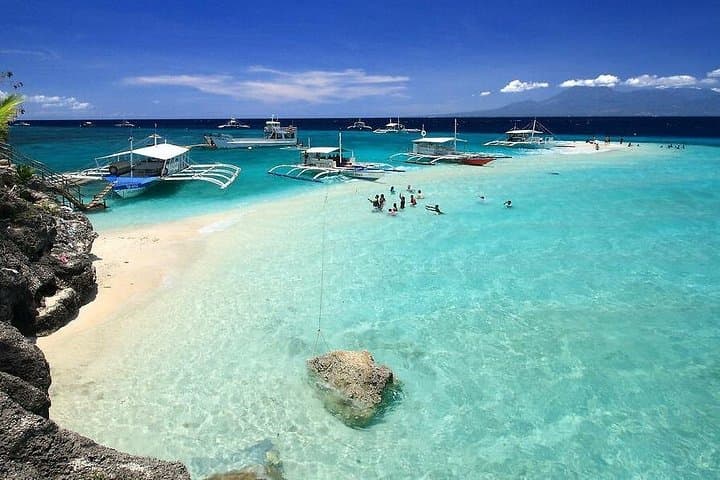
Combine open-ocean whale shark encounters with river canyoning, the turquoise bowl of Kawasan Falls, and a white-sand stop at Sumilon Sandbar. This full-day loop shifts from marine wildlife to limestone gorges—expect early starts, multiple boat transfers, and guided water-based adventure.
Combine open-ocean whale shark encounters with river canyoning, the turquoise bowl of Kawasan Falls, and a white-sand stop at Sumilon Sandbar. This full-day loop shifts from marine wildlife to limestone gorges—expect early starts, multiple boat transfers, and guided water-based adventure.
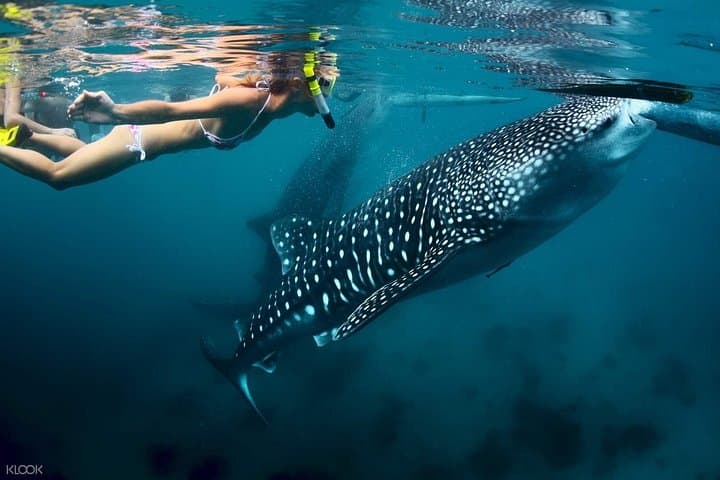
Dawn breaks over Oslob and the water glints like a sheet of metal as banca engines humm quietly toward the whale shark zone. You step into warm, shallow sea and watch the gentle giants fan their tails beneath the surface; later the canyon narrows and the Matutinao River pulls you downstream through carved rock toward Kawasan’s thunderous plunge. The day moves from open ocean to island sandbar to jungle watercourse, each environment nudging a different sense awake.
Verified experiences and guided adventures in the surrounding area.
Operated by CTPH TOUR · Oslob, Cebu
Dawn breaks over Oslob and the water glints like a sheet of metal as banca engines humm quietly toward the whale shark zone. You step into warm, shallow sea and watch the gentle giants fan their tails beneath the surface; later the canyon narrows and the Matutinao River pulls you downstream through carved rock toward Kawasan’s thunderous plunge. The day moves from open ocean to island sandbar to jungle watercourse, each environment nudging a different sense awake.
Oslob’s whale shark site is a modern tourism hub built atop a long-standing coastal fishing culture; Sumilon Island’s sandbar and marine sanctuary reflect decades of local marine protection, while Kawasan’s limestone gorges tell a longer geological story of uplift, coral, and freshwater erosion. Canyoneering here follows creek channels and mossy boulders, with local guides steering jumps, swims and short abseils—a social as much as an outdoor tradition in Cebu’s southern towns.
Practical guidance: start before sunrise to avoid crowds and heat, bring a snorkel mask and reef-safe sunscreen, and expect multiple brief boat transfers. For canyoning, sturdy water shoes, a life vest and helmet are standard; guides will brief you on jump choices and safety. Respect marine rules: keep distance from whale sharks, don’t feed marine life, and use designated trails around Kawasan Falls to prevent erosion. The combined trip is long (plan for a ten- to fifteen-hour day) but compact in logistics—transfer windows are tight, so pack light, hydrate, and let local guides manage timing and safety so you can focus on the water and rock under your feet.
Local regulations dictate a minimum distance—typically 3–4 meters from the head and 4–5 meters from the tail; guides enforce these rules to protect both animals and visitors.
River canyoning here is guided and suitable for most active adults; guides offer safety gear and route choices, but you should be comfortable with swimming and basic jumps over shallow pools.
Oslob has a high sighting rate year-round because of established feeding practices, but sightings cannot be guaranteed; early mornings increase your odds.
Many operators accept children but age and swimming ability limits apply; check with the provider about minimum ages and whether life vests and shorter routes are available.
CTPH TOUR operates guided outdoor trips and adventures with an emphasis on safety, stewardship, and memorable experiences.


Dawn breaks over Oslob and the water glints like a sheet of metal as banca engines humm quietly toward the whale shark zone. You step into warm, shallow sea and watch the gentle giants fan their tails beneath the surface; later the canyon narrows and the Matutinao River pulls you downstream through carved rock toward Kawasan’s thunderous plunge. The day moves from open ocean to island sandbar to jungle watercourse, each environment nudging a different sense awake.
Dawn breaks over Oslob and the water glints like a sheet of metal as banca engines humm quietly toward the whale shark zone. You step into warm, shallow sea and watch the gentle giants fan their tails beneath the surface; later the canyon narrows and the Matutinao River pulls you downstream through carved rock toward Kawasan’s thunderous plunge. The day moves from open ocean to island sandbar to jungle watercourse, each environment nudging a different sense awake.
Oslob’s whale shark site is a modern tourism hub built atop a long-standing coastal fishing culture; Sumilon Island’s sandbar and marine sanctuary reflect decades of local marine protection, while Kawasan’s limestone gorges tell a longer geological story of uplift, coral, and freshwater erosion. Canyoneering here follows creek channels and mossy boulders, with local guides steering jumps, swims and short abseils—a social as much as an outdoor tradition in Cebu’s southern towns.
Practical guidance: start before sunrise to avoid crowds and heat, bring a snorkel mask and reef-safe sunscreen, and expect multiple brief boat transfers. For canyoning, sturdy water shoes, a life vest and helmet are standard; guides will brief you on jump choices and safety. Respect marine rules: keep distance from whale sharks, don’t feed marine life, and use designated trails around Kawasan Falls to prevent erosion. The combined trip is long (plan for a ten- to fifteen-hour day) but compact in logistics—transfer windows are tight, so pack light, hydrate, and let local guides manage timing and safety so you can focus on the water and rock under your feet.