THE ADVENTURE COLLECTIVE® · Independent discovery and booking for outdoor travel

Explore Ostend by solving 12 GPS-driven puzzles that lead you through historic squares, a sailing ship museum, and the lively fish market. This flexible self-guided quest blends local history, quirky stories, and seaside character into a 1–2 hour urban adventure.
Explore Ostend by solving 12 GPS-driven puzzles that lead you through historic squares, a sailing ship museum, and the lively fish market. This flexible self-guided quest blends local history, quirky stories, and seaside character into a 1–2 hour urban adventure.
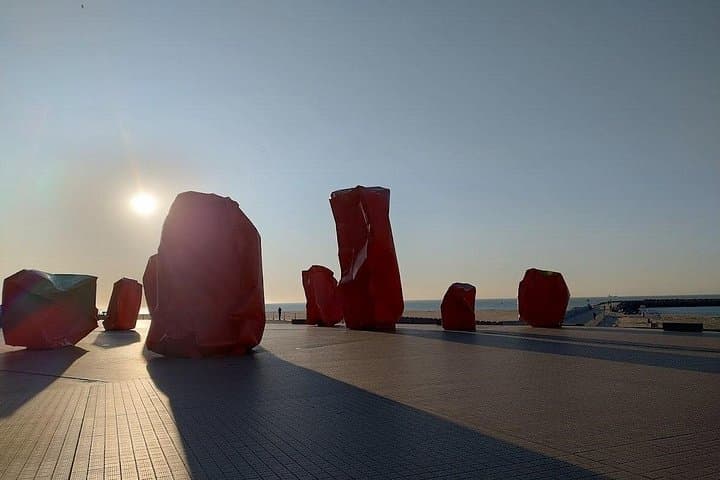
The wind off the North Sea tugs at your jacket as you tap open the Questo app and step out of Ostend Station. Cobbled streets warm underfoot, tram rails hum nearby, and the promenade’s orange sculptures glint like punctuation marks against the grey-blue horizon. This is an urban game that moves at your pace: 12 puzzles threaded through squares, ship museums, and fish markets that reveal local myths, civic history, and surprising anecdotes.
Verified experiences and guided adventures in the surrounding area.
Operated by Questo · Ostend, West Flanders
The wind off the North Sea tugs at your jacket as you tap open the Questo app and step out of Ostend Station. Cobbled streets warm underfoot, tram rails hum nearby, and the promenade’s orange sculptures glint like punctuation marks against the grey-blue horizon. This is an urban game that moves at your pace: 12 puzzles threaded through squares, ship museums, and fish markets that reveal local myths, civic history, and surprising anecdotes.
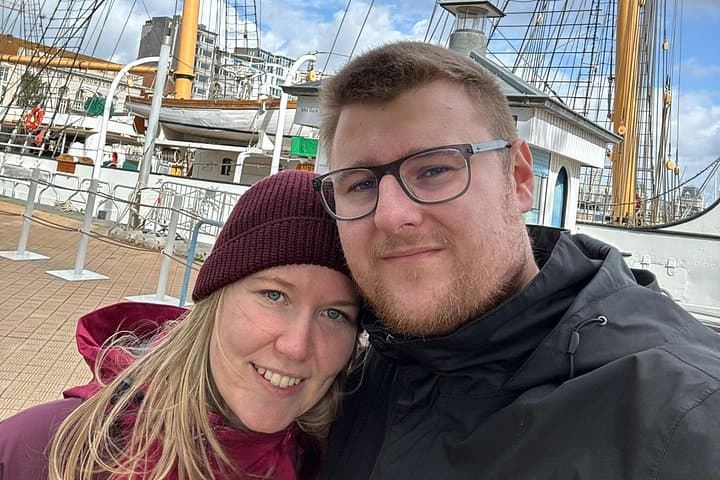
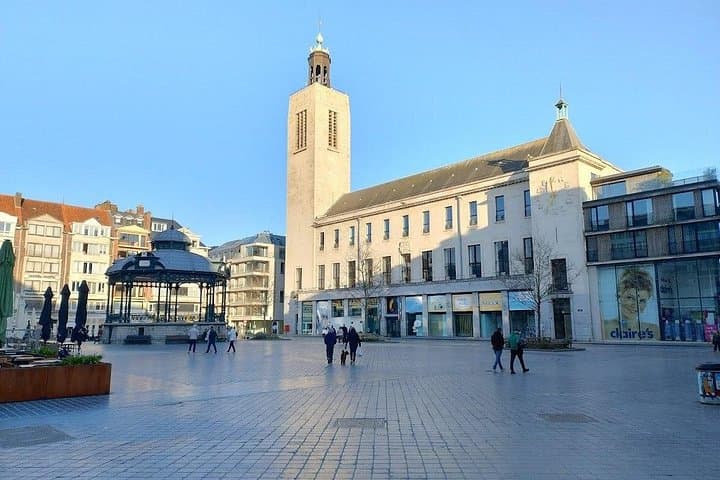
Ostend’s story is maritime — a 19th-century seaside resort turned working port. You’ll pass Belle Époque bandstands, the Mercator training ship, and the Vistrap fish market, each stop a piece of civic memory shaped by wind, trade, and tourism. Geologically the coast is soft sand and reclaimed land; culturally it’s blunt, direct, and given to seaside jokes and seafood pride.
Expect playful clues rather than guided lectures: riddles point to statues, dates, or architectural details. The route is mostly flat and stroller-friendly, moving between public squares and waterfront promenades where the sea will challenge you with gusts or lull you with the cry of gulls. Practicalities: bring a charged smartphone (the game uses GPS), wear comfortable shoes for 1–2 hours of walking, and allow extra time to pause for coffee or museum detours.
This is ideal for families, small groups, or solo explorers who like puzzles and light urban history. It’s not a race — it’s a way to see how a coastal city carries its past into everyday life while the sea quietly insists on its presence.
Yes—install the Questo app and redeem your mobile access code to unlock the Ostend quest before you begin.
Most streets and plazas are accessible and stroller-friendly, though some cobbles and curbs may be uneven.
Yes—you can pause at any time and resume with your saved progress using the app's GPS map.
Yes—the puzzles are family-friendly and the route includes engaging public art and a ship museum, but parental supervision is recommended near tram lines and the waterfront.
Questo operates guided outdoor trips and adventures with an emphasis on safety, stewardship, and memorable experiences.
The wind off the North Sea tugs at your jacket as you tap open the Questo app and step out of Ostend Station. Cobbled streets warm underfoot, tram rails hum nearby, and the promenade’s orange sculptures glint like punctuation marks against the grey-blue horizon. This is an urban game that moves at your pace: 12 puzzles threaded through squares, ship museums, and fish markets that reveal local myths, civic history, and surprising anecdotes.
The wind off the North Sea tugs at your jacket as you tap open the Questo app and step out of Ostend Station. Cobbled streets warm underfoot, tram rails hum nearby, and the promenade’s orange sculptures glint like punctuation marks against the grey-blue horizon. This is an urban game that moves at your pace: 12 puzzles threaded through squares, ship museums, and fish markets that reveal local myths, civic history, and surprising anecdotes.
Ostend’s story is maritime — a 19th-century seaside resort turned working port. You’ll pass Belle Époque bandstands, the Mercator training ship, and the Vistrap fish market, each stop a piece of civic memory shaped by wind, trade, and tourism. Geologically the coast is soft sand and reclaimed land; culturally it’s blunt, direct, and given to seaside jokes and seafood pride.
Expect playful clues rather than guided lectures: riddles point to statues, dates, or architectural details. The route is mostly flat and stroller-friendly, moving between public squares and waterfront promenades where the sea will challenge you with gusts or lull you with the cry of gulls. Practicalities: bring a charged smartphone (the game uses GPS), wear comfortable shoes for 1–2 hours of walking, and allow extra time to pause for coffee or museum detours.
This is ideal for families, small groups, or solo explorers who like puzzles and light urban history. It’s not a race — it’s a way to see how a coastal city carries its past into everyday life while the sea quietly insists on its presence.