THE ADVENTURE COLLECTIVE® · Independent discovery and booking for outdoor travel

Cycle the shoreline of Otago Harbour on a self-guided route from Ravensbourne to Port Chalmers, with a scenic ferry hop to Portobello on the return. Expect flat, purpose-built paths, maritime history, and coastal wildlife within a 2–2.5 hour outing.
Cycle the shoreline of Otago Harbour on a self-guided route from Ravensbourne to Port Chalmers, with a scenic ferry hop to Portobello on the return. Expect flat, purpose-built paths, maritime history, and coastal wildlife within a 2–2.5 hour outing.
You begin with salt air on your face and a purpose-built cycle path under your wheels: Te Aka Ōtākou unfurls along the western edge of Otago Harbour, a clean ribbon of asphalt that threads past rusting shipyard cranes and small, sunlit bays. The route follows the shoreline from Ravensbourne to Port Chalmers, then a short ferry across to Portobello before looping back — all visible water, wind, and working histories.
Verified experiences and guided adventures in the surrounding area.
Operated by VoiceMap Audio Tours · Dunedin, Otago
You begin with salt air on your face and a purpose-built cycle path under your wheels: Te Aka Ōtākou unfurls along the western edge of Otago Harbour, a clean ribbon of asphalt that threads past rusting shipyard cranes and small, sunlit bays. The route follows the shoreline from Ravensbourne to Port Chalmers, then a short ferry across to Portobello before looping back — all visible water, wind, and working histories.
The harbour is volcanic in origin; the Otago Peninsula’s uplift and ancient basalt flows shaped tidal flats and steep slopes. Māori used these shores for kai and travel long before Scottish settlers and gold seekers altered the coastline with wharves and workshops. Port Chalmers carries both industrial grit and seaside village charm: maritime museums and Victorian churches sit above boatyards and ferries pulsing across the water.
Expect varied scenery in a short span — ship-hulled silhouettes giving way to residential coves, community gardens, and small cafés. The ride is primarily flat with gentle rises on the peninsula leg; paths are well-signed and surfaced for mixed cyclists. Wildlife appears in the margins: tītī (muttonbird) calls, occasional seals on the rocks, and seabirds wheeling over the harbour mouth.
Practical tip: allow 2–2.5 hours at a relaxed pace to include the ferry crossing and photo stops. Bring a helmet, waterproof layer, and a charged phone with the app for offline maps; tide and wind can change how exposed the route feels. Morning light keeps the water glassy; late afternoon brings long shadows and cooler gusts. This self-guided loop is straightforward, historically rich, and rewarding for riders who want coastal variety without steep climbs.
The self-guided experience is designed for a 2–2.5 hour round trip including the ferry crossing; pace and stops will extend this.
Yes—paths are mostly flat and separated from traffic, but supervise children near ferry terminals and boat ramps.
Yes; Dunedin and Port Chalmers have bike rental shops—book ahead in high season to secure sizes and helmets.
No significant climbs—the route uses purpose-built cycleways and quiet local roads with only gentle rises on the peninsula.
VoiceMap Audio Tours operates guided outdoor trips and adventures with an emphasis on safety, stewardship, and memorable experiences.
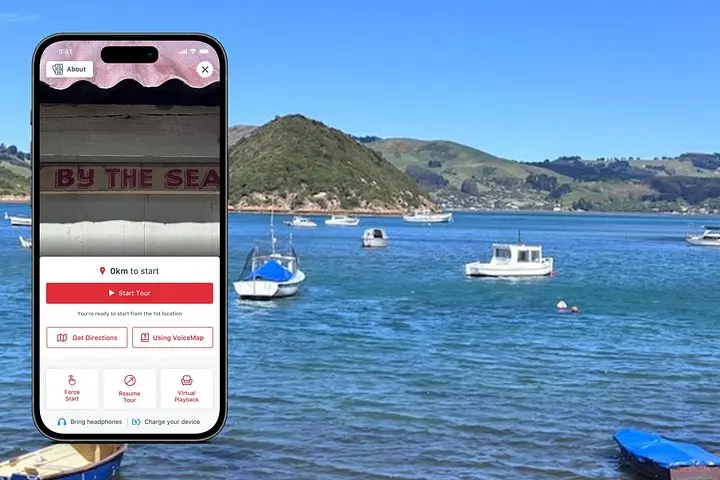
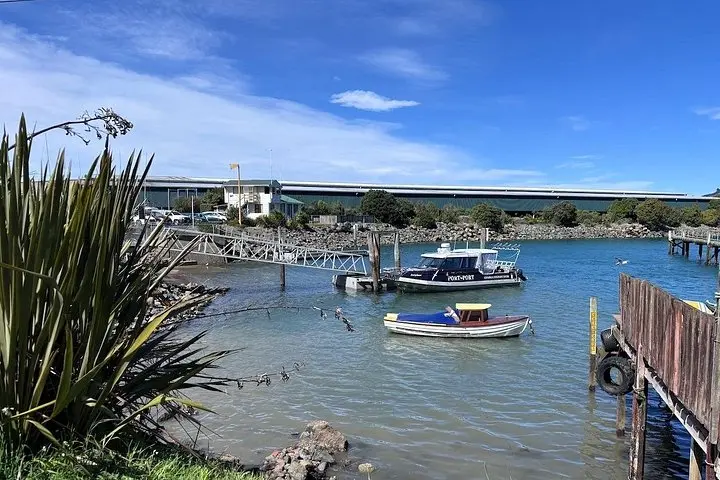
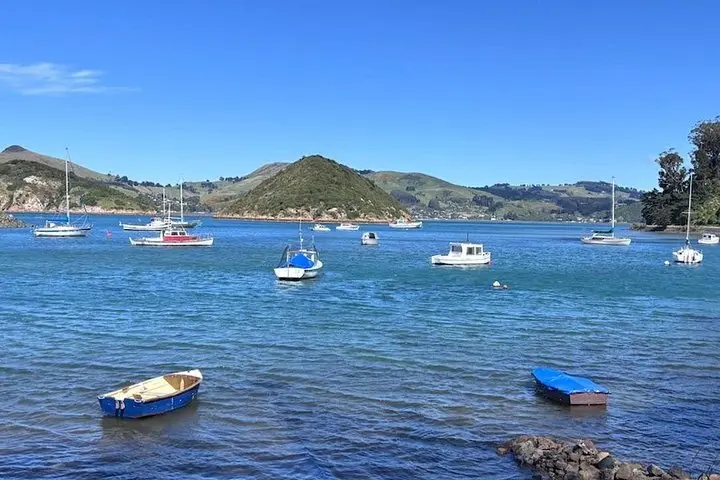
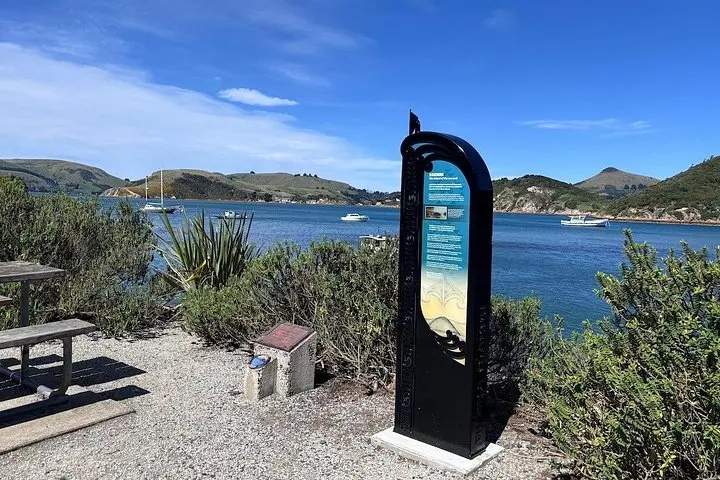
You begin with salt air on your face and a purpose-built cycle path under your wheels: Te Aka Ōtākou unfurls along the western edge of Otago Harbour, a clean ribbon of asphalt that threads past rusting shipyard cranes and small, sunlit bays. The route follows the shoreline from Ravensbourne to Port Chalmers, then a short ferry across to Portobello before looping back — all visible water, wind, and working histories.
You begin with salt air on your face and a purpose-built cycle path under your wheels: Te Aka Ōtākou unfurls along the western edge of Otago Harbour, a clean ribbon of asphalt that threads past rusting shipyard cranes and small, sunlit bays. The route follows the shoreline from Ravensbourne to Port Chalmers, then a short ferry across to Portobello before looping back — all visible water, wind, and working histories.
The harbour is volcanic in origin; the Otago Peninsula’s uplift and ancient basalt flows shaped tidal flats and steep slopes. Māori used these shores for kai and travel long before Scottish settlers and gold seekers altered the coastline with wharves and workshops. Port Chalmers carries both industrial grit and seaside village charm: maritime museums and Victorian churches sit above boatyards and ferries pulsing across the water.
Expect varied scenery in a short span — ship-hulled silhouettes giving way to residential coves, community gardens, and small cafés. The ride is primarily flat with gentle rises on the peninsula leg; paths are well-signed and surfaced for mixed cyclists. Wildlife appears in the margins: tītī (muttonbird) calls, occasional seals on the rocks, and seabirds wheeling over the harbour mouth.
Practical tip: allow 2–2.5 hours at a relaxed pace to include the ferry crossing and photo stops. Bring a helmet, waterproof layer, and a charged phone with the app for offline maps; tide and wind can change how exposed the route feels. Morning light keeps the water glassy; late afternoon brings long shadows and cooler gusts. This self-guided loop is straightforward, historically rich, and rewarding for riders who want coastal variety without steep climbs.