THE ADVENTURE COLLECTIVE® · Independent discovery and booking for outdoor travel

Cruise through Otago Harbour to Taiaroa Head for close encounters with albatross, seals and seabirds. Small-group departures, expert commentary and supplied binoculars make this 1.5–2 hour wildlife tour accessible and informative.
Cruise through Otago Harbour to Taiaroa Head for close encounters with albatross, seals and seabirds. Small-group departures, expert commentary and supplied binoculars make this 1.5–2 hour wildlife tour accessible and informative.
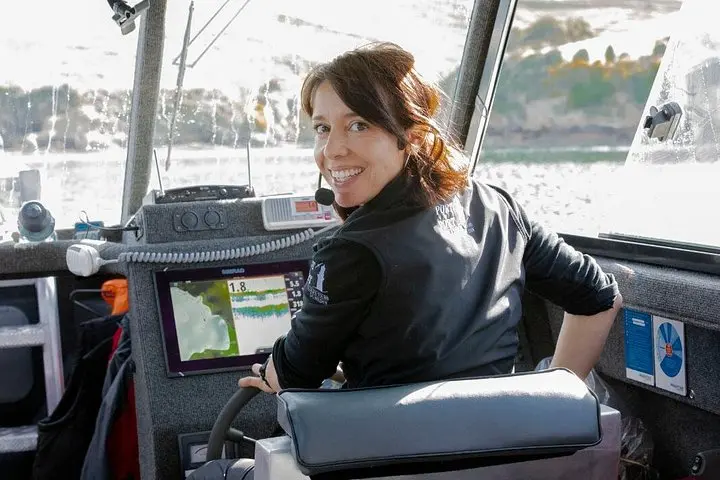
A low hum of the engine, salt on the air and the harbour cliffs sliding past—this is Otago Harbour from the water. Step aboard a fast, custom boat and you’re instantly part of the harbor’s rhythm: fishing skiffs bobbing like punctuation, gulls kite-dancing above, and the headland at Taiaroa reaching out to the Pacific.
Verified experiences and guided adventures in the surrounding area.
Operated by Port To Port Cruises and Wildlife Tours Ltd · Port Chalmers, Otago
A low hum of the engine, salt on the air and the harbour cliffs sliding past—this is Otago Harbour from the water. Step aboard a fast, custom boat and you’re instantly part of the harbor’s rhythm: fishing skiffs bobbing like punctuation, gulls kite-dancing above, and the headland at Taiaroa reaching out to the Pacific.
The coastline here tells human and natural stories. Fortified gun emplacements from two world wars, quarantine station ruins and the old whaling sheds sit alongside volcanic cliffs and layered sedimentary headlands carved by waves and wind. Māori and European maritime histories overlap in the ports and pilot houses you’ll pass, and the current marine-protection work at Taiaroa Head is visible in the nesting albatross colonies that return each season.
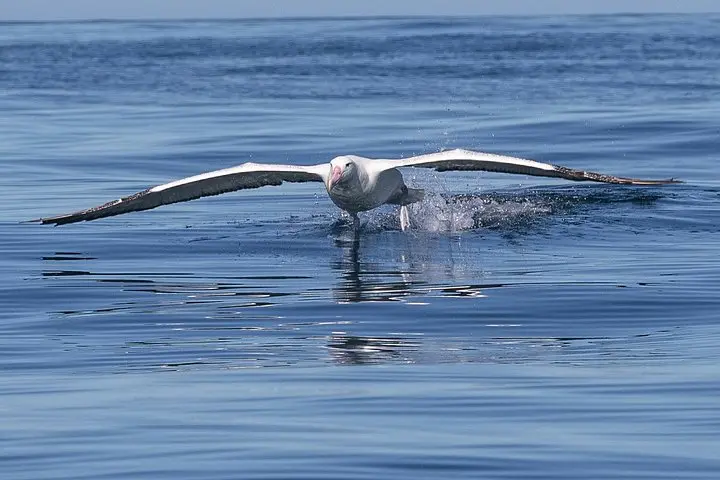
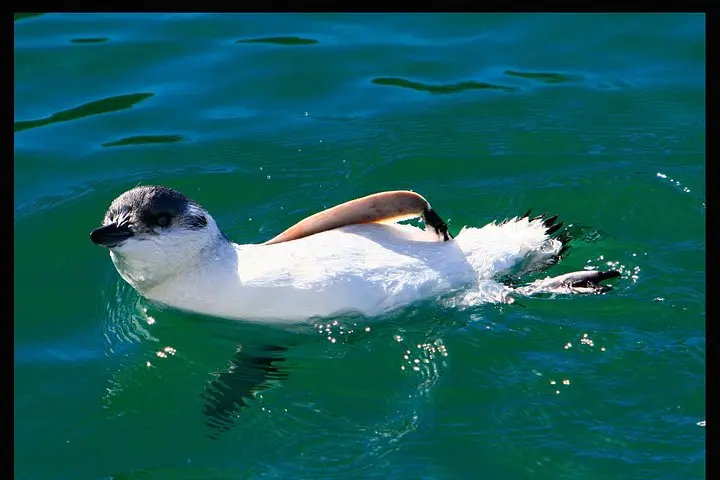
On a typical 1.5–2 hour cruise you’ll circle the headland, scan shallow bays for fur seals and shags, and watch albatross and petrels wheel offshore. Guides provide live commentary and identification sheets; binoculars are supplied but bring yours for closer looks. The sea has a personality here—currents push you toward feeding grounds while roosting birds keep watch on cliffs.
Practicalities: dress in warm layers and a windproof shell, wear non-slip shoes, and arrive 15 minutes early for boarding. Morning departures are generally calmer for wildlife sightings; afternoons can bring stronger winds and sea spray. The vessel is suitable for most fitness levels and offers both enclosed warmth and open-deck viewing. Expect briefing on safety, plenty of photo opportunities and the occasional damp breeze—this is maritime wildlife viewing at its hands-on, coastal best.
Departures run about 90–120 minutes depending on the boarding location and itinerary—Port Chalmers departures are typically 1.5 hours.
Wildlife sightings are common but never guaranteed; the guide targets known roosting and feeding areas to maximize chances.
Yes—tours are described as physically easy and the vessel has enclosed seating; supervise young children and advise the operator of any mobility needs.
Warm layers, a windproof/waterproof outer layer and sturdy, non-slip shoes are recommended; binoculars and a camera with a strap are useful.
Port To Port Cruises and Wildlife Tours Ltd operates guided outdoor trips and adventures with an emphasis on safety, stewardship, and memorable experiences.
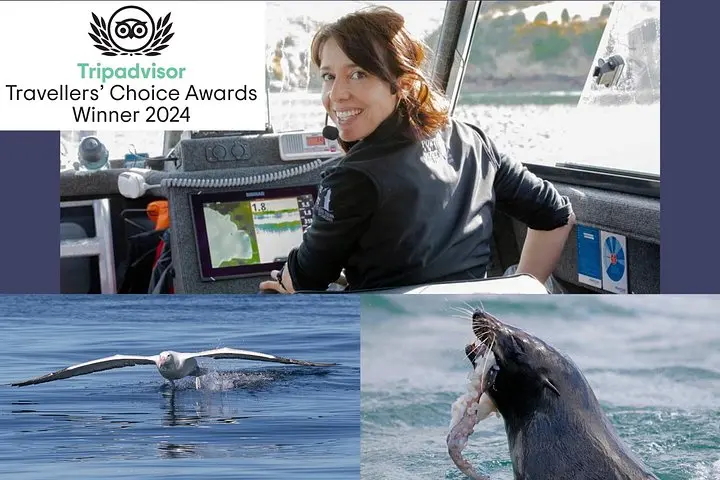
A low hum of the engine, salt on the air and the harbour cliffs sliding past—this is Otago Harbour from the water. Step aboard a fast, custom boat and you’re instantly part of the harbor’s rhythm: fishing skiffs bobbing like punctuation, gulls kite-dancing above, and the headland at Taiaroa reaching out to the Pacific.
A low hum of the engine, salt on the air and the harbour cliffs sliding past—this is Otago Harbour from the water. Step aboard a fast, custom boat and you’re instantly part of the harbor’s rhythm: fishing skiffs bobbing like punctuation, gulls kite-dancing above, and the headland at Taiaroa reaching out to the Pacific.
The coastline here tells human and natural stories. Fortified gun emplacements from two world wars, quarantine station ruins and the old whaling sheds sit alongside volcanic cliffs and layered sedimentary headlands carved by waves and wind. Māori and European maritime histories overlap in the ports and pilot houses you’ll pass, and the current marine-protection work at Taiaroa Head is visible in the nesting albatross colonies that return each season.
On a typical 1.5–2 hour cruise you’ll circle the headland, scan shallow bays for fur seals and shags, and watch albatross and petrels wheel offshore. Guides provide live commentary and identification sheets; binoculars are supplied but bring yours for closer looks. The sea has a personality here—currents push you toward feeding grounds while roosting birds keep watch on cliffs.
Practicalities: dress in warm layers and a windproof shell, wear non-slip shoes, and arrive 15 minutes early for boarding. Morning departures are generally calmer for wildlife sightings; afternoons can bring stronger winds and sea spray. The vessel is suitable for most fitness levels and offers both enclosed warmth and open-deck viewing. Expect briefing on safety, plenty of photo opportunities and the occasional damp breeze—this is maritime wildlife viewing at its hands-on, coastal best.