THE ADVENTURE COLLECTIVE® · Independent discovery and booking for outdoor travel

Take a day from Quito into the northern Ecuadorian highlands to walk rose plantations, browse South America’s largest indigenous market, and look down into the crater lake of Cuicocha. This shared tour pairs cultural stops with volcanic scenery and practical logistics for a long, rewarding day.
Take a day from Quito into the northern Ecuadorian highlands to walk rose plantations, browse South America’s largest indigenous market, and look down into the crater lake of Cuicocha. This shared tour pairs cultural stops with volcanic scenery and practical logistics for a long, rewarding day.
The bus peels away from Quito into a highland theater—ribbons of road climbing between green farms while Imbabura pins its snowy cap against the sky. By midmorning you stand amid neat rows of roses in a glasshouse, the blooms pointing like small flags toward the volcanoes; later the market at Otavalo unfurls color across cobbled streets, vendors arranging textiles, leather and carved wood under a brisk Andean breeze.
Verified experiences and guided adventures in the surrounding area.
Operated by Ecuador Best Tours · Otavalo, Imbabura
The bus peels away from Quito into a highland theater—ribbons of road climbing between green farms while Imbabura pins its snowy cap against the sky. By midmorning you stand amid neat rows of roses in a glasshouse, the blooms pointing like small flags toward the volcanoes; later the market at Otavalo unfurls color across cobbled streets, vendors arranging textiles, leather and carved wood under a brisk Andean breeze.
Otavalo sits in the Andean highlands of northern Ecuador, home to a proud Kichwa community whose market dates back centuries and flourished along Pan-American trade routes. Geologically, the region is carved by volcanic activity: Cotacachi and Imbabura are part of the Avenue of the Volcanoes, and Cuicocha fills a volcanic caldera with a bowl of cold, turquoise water.
Culture here is tactile—woven patterns encode family and community, while Cotacachi’s leather workshops show a different local craft economy. Visit a rose plantation to learn Ecuador’s export-side horticulture, then move to Laguna San Pablo and Cuicocha for expansive views that make the Andes feel deliberately large.
Practical edge: this is a full 8–9 hour day with easy walking on uneven cobbles and short viewpoints; expect sharp sun, sudden wind and modest altitude (2,500–3,300 m). Bring layered clothing, sun protection, small local currency for stalls, and a camera with extra battery. Timing your visit for market days (Wednesday and Saturday) ensures the fullest experience—arrive early to avoid crowds and make time for a short walk at Cuicocha if weather allows.
Yes—many vendors accept cash only and small denominations make bargaining and purchases easier.
This standard day tour typically stops at the viewpoint over Cuicocha; lake boat rides may be available locally but are not guaranteed in the shared itinerary.
Expect easy walking around market stalls, greenhouses and short paved or cobbled viewpoints—no long hikes required.
The tour reaches 2,500–3,300 m; mild altitude effects are possible—drink water, eat lightly, and move at a comfortable pace.
Ecuador Best Tours operates guided outdoor trips and adventures with an emphasis on safety, stewardship, and memorable experiences.
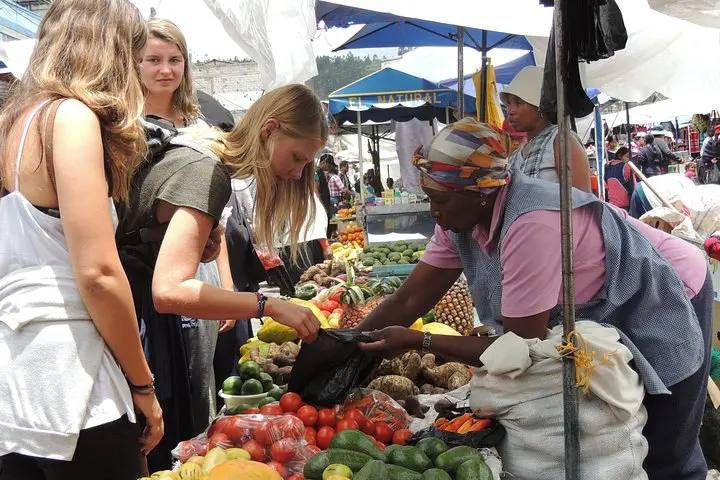
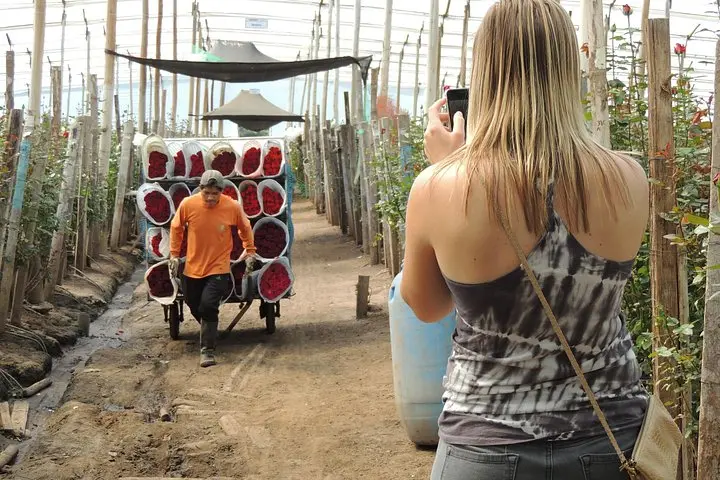
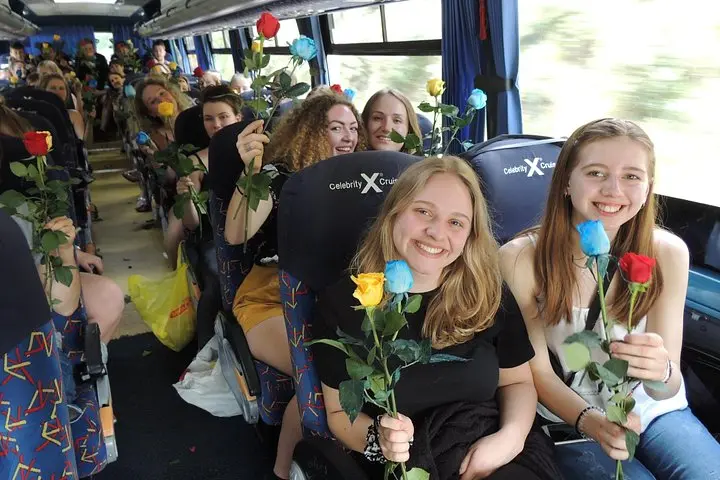
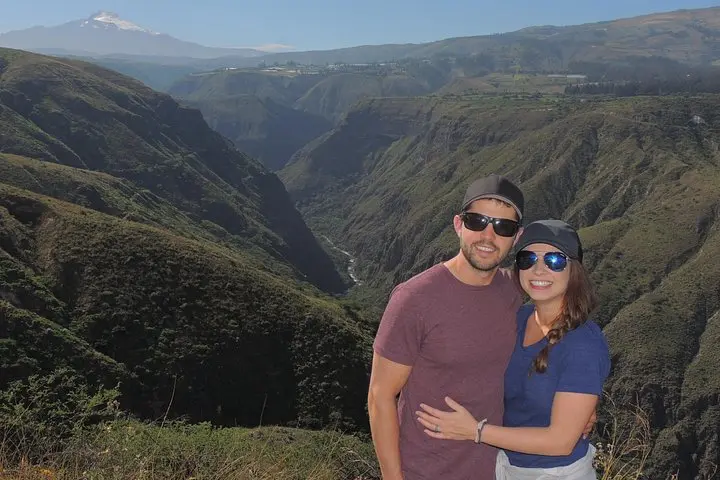
The bus peels away from Quito into a highland theater—ribbons of road climbing between green farms while Imbabura pins its snowy cap against the sky. By midmorning you stand amid neat rows of roses in a glasshouse, the blooms pointing like small flags toward the volcanoes; later the market at Otavalo unfurls color across cobbled streets, vendors arranging textiles, leather and carved wood under a brisk Andean breeze.
The bus peels away from Quito into a highland theater—ribbons of road climbing between green farms while Imbabura pins its snowy cap against the sky. By midmorning you stand amid neat rows of roses in a glasshouse, the blooms pointing like small flags toward the volcanoes; later the market at Otavalo unfurls color across cobbled streets, vendors arranging textiles, leather and carved wood under a brisk Andean breeze.
Otavalo sits in the Andean highlands of northern Ecuador, home to a proud Kichwa community whose market dates back centuries and flourished along Pan-American trade routes. Geologically, the region is carved by volcanic activity: Cotacachi and Imbabura are part of the Avenue of the Volcanoes, and Cuicocha fills a volcanic caldera with a bowl of cold, turquoise water.
Culture here is tactile—woven patterns encode family and community, while Cotacachi’s leather workshops show a different local craft economy. Visit a rose plantation to learn Ecuador’s export-side horticulture, then move to Laguna San Pablo and Cuicocha for expansive views that make the Andes feel deliberately large.
Practical edge: this is a full 8–9 hour day with easy walking on uneven cobbles and short viewpoints; expect sharp sun, sudden wind and modest altitude (2,500–3,300 m). Bring layered clothing, sun protection, small local currency for stalls, and a camera with extra battery. Timing your visit for market days (Wednesday and Saturday) ensures the fullest experience—arrive early to avoid crowds and make time for a short walk at Cuicocha if weather allows.