THE ADVENTURE COLLECTIVE® · Independent discovery and booking for outdoor travel

Spend a day trading at South America’s largest handicraft market and follow forested trails to the sacred Peguche Waterfall. This full-day trip pairs cultural immersion with an easy, mist-sprayed hike.
Spend a day trading at South America’s largest handicraft market and follow forested trails to the sacred Peguche Waterfall. This full-day trip pairs cultural immersion with an easy, mist-sprayed hike.
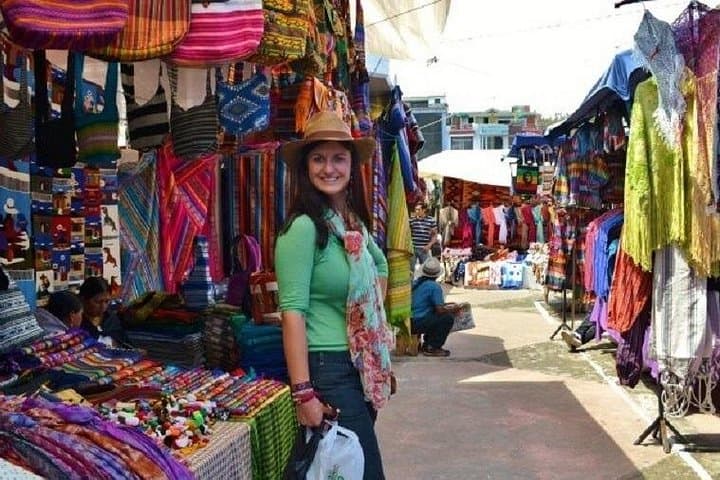
You step out of the van into a square humming with barter and bright textiles — wool shawls flap like flags and leather goods glint on wooden tables. The Otavalo Indigenous Market puts craft and conversation at the center: vendors call prices, elders inspect patterns, and the air smells faintly of roasted corn and cinnamon.
Verified experiences and guided adventures in the surrounding area.
Operated by Great Horned Owl Tours · Otavalo, Imbabura
You step out of the van into a square humming with barter and bright textiles — wool shawls flap like flags and leather goods glint on wooden tables. The Otavalo Indigenous Market puts craft and conversation at the center: vendors call prices, elders inspect patterns, and the air smells faintly of roasted corn and cinnamon.
The market sits in a high Andean valley shaped by volcanism and tectonic uplift; Cotacachi and Imbabura volcanoes frame the town and feed the region’s fertile soils. Otavalo has long been a commercial hub for the Kichwa people — generations of weavers keep designs and techniques alive, trading both locally and internationally. From the stalls you’ll feel the cultural continuity: family-run booths, hand-loomed ponchos, and barter that follows customs rather than just cash.
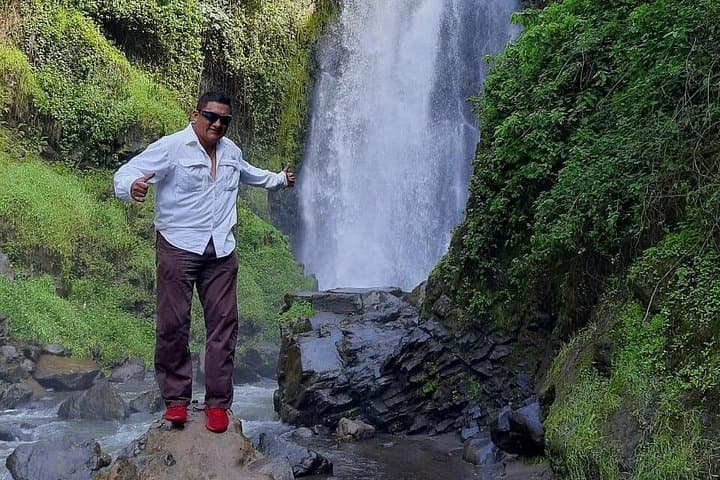
A short drive brings you to Peguche Waterfall, a cascade the local community regards as sacred. Mossy steps and ferned gullies lead to the plunge pool; water dares you forward with a steady, cooling spray. Guides usually point out native plants and resident birds; a climb onto nearby rock offers the arresting sensation of standing in the mist.
Practical notes: this is a full-day outing from Quito (about nine hours total) with mostly easy walking on cobbles and short forest trails. Carry layers for rapid temperature shifts, cash for markets and leather shops, and respect local customs — ask before photographing people. Timing your visit for market morning gives the fullest experience, while afternoon at Peguche offers quieter trails and stronger light for photos.
Driving is about 2–2.5 hours each way depending on traffic; expect a full nine-hour day including stops.
Yes—market areas are stroller-accessible, though cobbles can be bumpy; the waterfall trail has uneven surfaces and short steps.
The market is public; Peguche has no formal entrance fee, though donations to local conservation efforts are appreciated.
Many leather shops accept shipping or can help arrange transport, but verify costs and export rules before purchase.
Great Horned Owl Tours operates guided outdoor trips and adventures with an emphasis on safety, stewardship, and memorable experiences.
You step out of the van into a square humming with barter and bright textiles — wool shawls flap like flags and leather goods glint on wooden tables. The Otavalo Indigenous Market puts craft and conversation at the center: vendors call prices, elders inspect patterns, and the air smells faintly of roasted corn and cinnamon.
You step out of the van into a square humming with barter and bright textiles — wool shawls flap like flags and leather goods glint on wooden tables. The Otavalo Indigenous Market puts craft and conversation at the center: vendors call prices, elders inspect patterns, and the air smells faintly of roasted corn and cinnamon.
The market sits in a high Andean valley shaped by volcanism and tectonic uplift; Cotacachi and Imbabura volcanoes frame the town and feed the region’s fertile soils. Otavalo has long been a commercial hub for the Kichwa people — generations of weavers keep designs and techniques alive, trading both locally and internationally. From the stalls you’ll feel the cultural continuity: family-run booths, hand-loomed ponchos, and barter that follows customs rather than just cash.
A short drive brings you to Peguche Waterfall, a cascade the local community regards as sacred. Mossy steps and ferned gullies lead to the plunge pool; water dares you forward with a steady, cooling spray. Guides usually point out native plants and resident birds; a climb onto nearby rock offers the arresting sensation of standing in the mist.
Practical notes: this is a full-day outing from Quito (about nine hours total) with mostly easy walking on cobbles and short forest trails. Carry layers for rapid temperature shifts, cash for markets and leather shops, and respect local customs — ask before photographing people. Timing your visit for market morning gives the fullest experience, while afternoon at Peguche offers quieter trails and stronger light for photos.