THE ADVENTURE COLLECTIVE® · Independent discovery and booking for outdoor travel

Spend a day from Quito tracing the equator at Quitsato, wandering Otavalo’s famed market, and hearing live Andean music in family workshops. Expect volcano views, handwoven textiles, and a ceremonial waterfall.
Spend a day from Quito tracing the equator at Quitsato, wandering Otavalo’s famed market, and hearing live Andean music in family workshops. Expect volcano views, handwoven textiles, and a ceremonial waterfall.
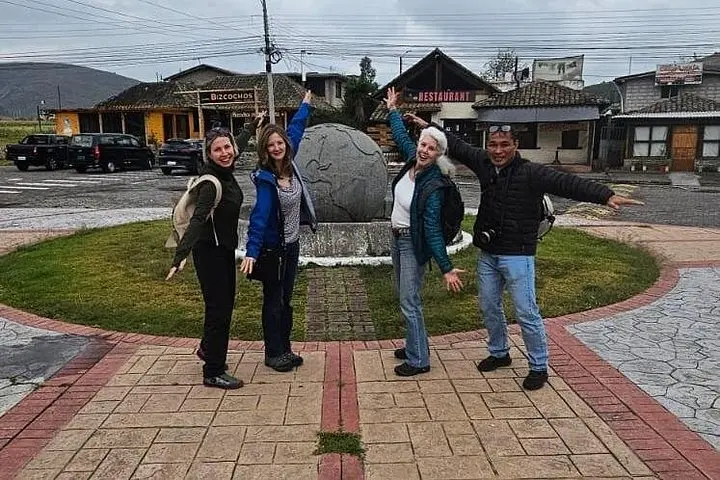
A thin altitude breeze runs off the high flanks of Imbabura as the day begins — vendors arrange alpaca caps, silversmiths polish earrings, and a guide points toward a low, precise line on the ground where north suddenly becomes south.
Verified experiences and guided adventures in the surrounding area.
Operated by Galapagos My World · Otavalo, Imbabura
A thin altitude breeze runs off the high flanks of Imbabura as the day begins — vendors arrange alpaca caps, silversmiths polish earrings, and a guide points toward a low, precise line on the ground where north suddenly becomes south.
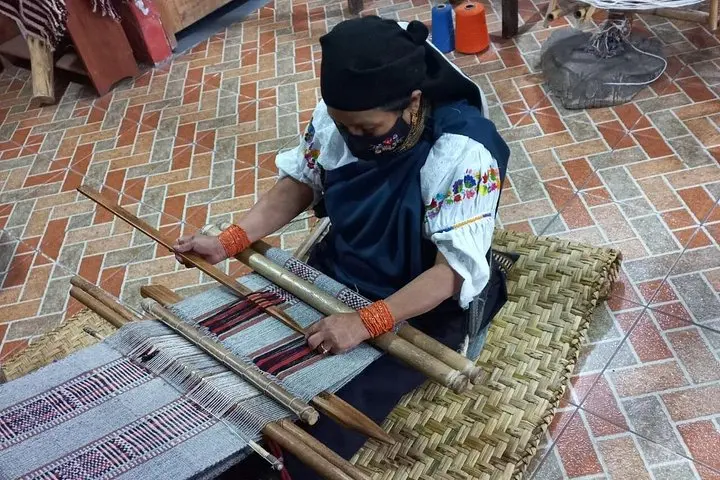
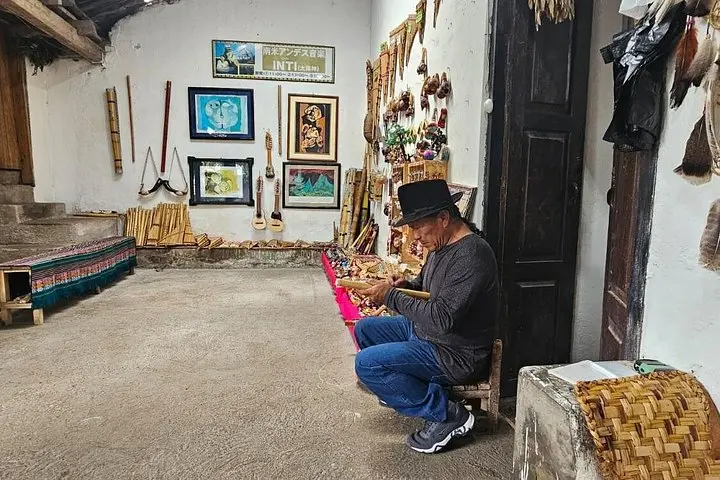
This full-day circuit moves from Quito’s highlands to Otavalo’s open plazas and the Quitsato equatorial sundial. The route follows the northern Avenue of the Volcanoes with views of snow-dusted cones and the broad San Pablo lagoon. At Otavalo, one of South America’s oldest indigenous markets, Kichwa artisans display handwoven textiles made on backstrap looms; nearby workshops still craft panpipes and charangos by tradition. A short walk leads to Peguche waterfall, a place of ritual cleansing tied to Inti Raymi sun festivals, and to the continent’s largest agave garden where fibers and pulque traditions meet Andean agriculture.
Geology here is immediate: volcanic soils feed highland wetlands; the equatorial line at Quitsato reveals how ancestral astronomers read the sun and mountains for planting seasons. Culture and craft are practical continuations of that knowledge — weaving patterns encode origin stories and trade routes.
Practical guide: expect eight hours total, mostly easy walking with uneven cobbles and occasional steps. Carry cash for market purchases, a rain layer (weather changes fast), sun protection at high altitude, and comfortable shoes for standing and browsing. Mornings are best for market bustle and clearer mountain views; afternoons bring a softer light at Peguche. Respect ritual sites, ask before photographing people, and budget time for small purchases and demonstrations.
Door-to-door this is an approximately 8-hour day trip, including about two hours each way of scenic driving.
Quitsato and the instrument workshop visits are typically included; small donations or purchase options at workshops and the waterfall may be separate.
Yes — many items are handmade on-site; ask about materials and origin, and expect to negotiate price politely.
Yes — the itinerary is rated easy but includes standing and short walks; those with spinal, heart, or pregnancy concerns should consult the operator.
Galapagos My World operates guided outdoor trips and adventures with an emphasis on safety, stewardship, and memorable experiences.
A thin altitude breeze runs off the high flanks of Imbabura as the day begins — vendors arrange alpaca caps, silversmiths polish earrings, and a guide points toward a low, precise line on the ground where north suddenly becomes south.
A thin altitude breeze runs off the high flanks of Imbabura as the day begins — vendors arrange alpaca caps, silversmiths polish earrings, and a guide points toward a low, precise line on the ground where north suddenly becomes south.
This full-day circuit moves from Quito’s highlands to Otavalo’s open plazas and the Quitsato equatorial sundial. The route follows the northern Avenue of the Volcanoes with views of snow-dusted cones and the broad San Pablo lagoon. At Otavalo, one of South America’s oldest indigenous markets, Kichwa artisans display handwoven textiles made on backstrap looms; nearby workshops still craft panpipes and charangos by tradition. A short walk leads to Peguche waterfall, a place of ritual cleansing tied to Inti Raymi sun festivals, and to the continent’s largest agave garden where fibers and pulque traditions meet Andean agriculture.
Geology here is immediate: volcanic soils feed highland wetlands; the equatorial line at Quitsato reveals how ancestral astronomers read the sun and mountains for planting seasons. Culture and craft are practical continuations of that knowledge — weaving patterns encode origin stories and trade routes.
Practical guide: expect eight hours total, mostly easy walking with uneven cobbles and occasional steps. Carry cash for market purchases, a rain layer (weather changes fast), sun protection at high altitude, and comfortable shoes for standing and browsing. Mornings are best for market bustle and clearer mountain views; afternoons bring a softer light at Peguche. Respect ritual sites, ask before photographing people, and budget time for small purchases and demonstrations.