THE ADVENTURE COLLECTIVE® · Independent discovery and booking for outdoor travel

Spend a full day from Quito exploring Cayambe’s baked goods, standing on the Quitsato equatorial sundial, bargaining at Otavalo’s iconic market, sampling Cotacachi leather, and circling Cuicocha’s volcanic lagoon. This one-day loop blends living craft traditions with dramatic highland geology.
Spend a full day from Quito exploring Cayambe’s baked goods, standing on the Quitsato equatorial sundial, bargaining at Otavalo’s iconic market, sampling Cotacachi leather, and circling Cuicocha’s volcanic lagoon. This one-day loop blends living craft traditions with dramatic highland geology.
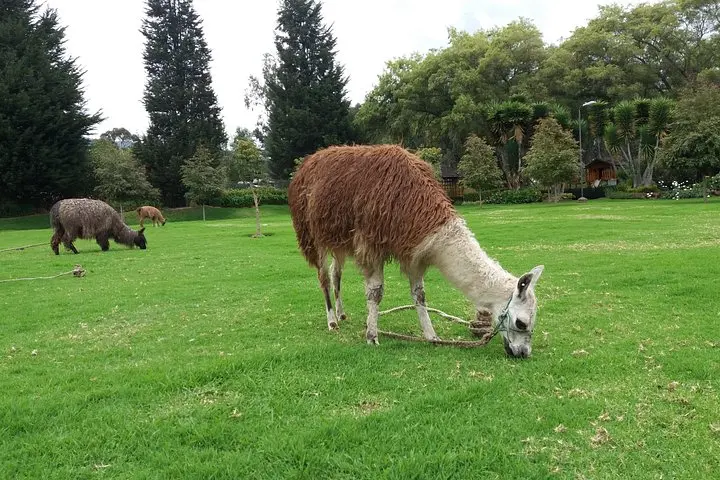
Morning light strips across the highland road as the van climbs out of Quito and the air thins; patchwork fields and freighted llamas slide by the window. The day unfolds as a loop through northern Imbabura — a tasting stop in Cayambe, a hands-on sundial at Quitsato, the riot of color at Otavalo market, a leather quarter in Cotacachi, and the volcanic mirror of Cuicocha.
Verified experiences and guided adventures in the surrounding area.
Operated by OVERLAND ADVENTURE · Otavalo, Imbabura
Morning light strips across the highland road as the van climbs out of Quito and the air thins; patchwork fields and freighted llamas slide by the window. The day unfolds as a loop through northern Imbabura — a tasting stop in Cayambe, a hands-on sundial at Quitsato, the riot of color at Otavalo market, a leather quarter in Cotacachi, and the volcanic mirror of Cuicocha.
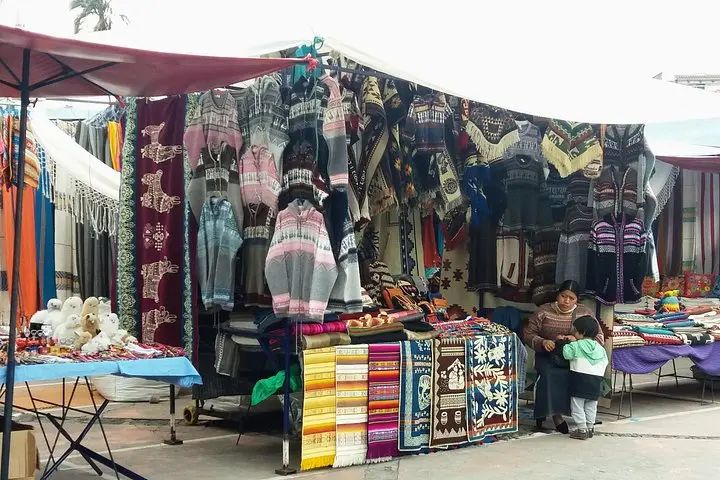
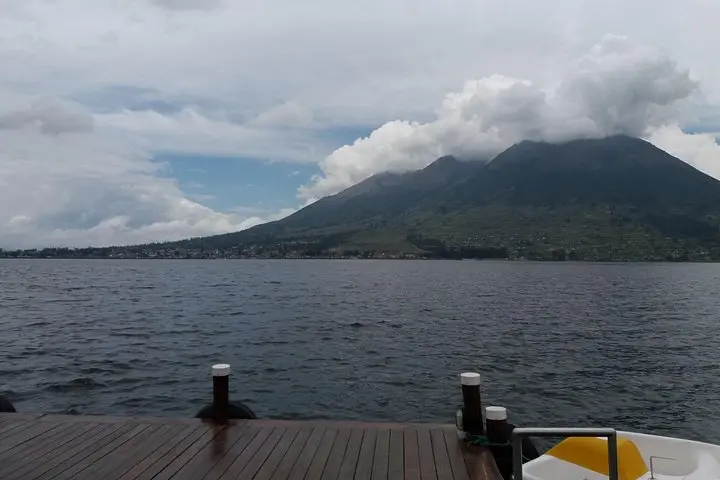
This corridor sits on volcanic soil and Andean uplift. Quitsato’s solar clock marks the equator and frames how local agricultural calendars once relied on precise sun positions. Otavalo is the economic and cultural heart of Kichwa weaving traditions; stalls display woven ponchos, embroidered belts and carved panpipes shaped by techniques passed down generations. Cotacachi’s reputation for handcrafted leather goes back to colonial trade routes that met local tanneries around the town plaza. Cuicocha is a collapsed caldera now holding a deep, white-scarred lagoon whose cliffs bear pumice and volcanic ribs.
Practicalities shape the trip: expect a long day at 2,500–3,300 m elevation with several short walks and market browsing periods. Wear layered clothing, bring cash for small purchases, and plan for strong sun and sudden drizzle. Guides typically include private transport, bilingual narration, and entry at Quitsato; lunches are available in Cotacachi.
For travelers, the trip blends cultural commerce with geology — the land presses its history into everyday life, and the market hums like a living archive. Pace yourself, hydrate early, and carry small bills: the best finds will be the ones you can carry home.
Pickup is arranged at a central Quito location provided at booking; private pickup from hotels is common—confirm your exact pickup point when you book.
The route reaches 2,500–3,300 m; light symptoms are possible—drink water, avoid heavy meals before travel, and notify your guide if you feel unwell.
Yes—polite bargaining is expected for many handicrafts; start below the asking price and be respectful in negotiations.
Quitsato admission is typically included in organized tours; entrance to Cuicocha viewpoints may be included or paid locally—check the trip inclusions before departure.
OVERLAND ADVENTURE operates guided outdoor trips and adventures with an emphasis on safety, stewardship, and memorable experiences.
Morning light strips across the highland road as the van climbs out of Quito and the air thins; patchwork fields and freighted llamas slide by the window. The day unfolds as a loop through northern Imbabura — a tasting stop in Cayambe, a hands-on sundial at Quitsato, the riot of color at Otavalo market, a leather quarter in Cotacachi, and the volcanic mirror of Cuicocha.
Morning light strips across the highland road as the van climbs out of Quito and the air thins; patchwork fields and freighted llamas slide by the window. The day unfolds as a loop through northern Imbabura — a tasting stop in Cayambe, a hands-on sundial at Quitsato, the riot of color at Otavalo market, a leather quarter in Cotacachi, and the volcanic mirror of Cuicocha.
This corridor sits on volcanic soil and Andean uplift. Quitsato’s solar clock marks the equator and frames how local agricultural calendars once relied on precise sun positions. Otavalo is the economic and cultural heart of Kichwa weaving traditions; stalls display woven ponchos, embroidered belts and carved panpipes shaped by techniques passed down generations. Cotacachi’s reputation for handcrafted leather goes back to colonial trade routes that met local tanneries around the town plaza. Cuicocha is a collapsed caldera now holding a deep, white-scarred lagoon whose cliffs bear pumice and volcanic ribs.
Practicalities shape the trip: expect a long day at 2,500–3,300 m elevation with several short walks and market browsing periods. Wear layered clothing, bring cash for small purchases, and plan for strong sun and sudden drizzle. Guides typically include private transport, bilingual narration, and entry at Quitsato; lunches are available in Cotacachi.
For travelers, the trip blends cultural commerce with geology — the land presses its history into everyday life, and the market hums like a living archive. Pace yourself, hydrate early, and carry small bills: the best finds will be the ones you can carry home.