THE ADVENTURE COLLECTIVE® · Independent discovery and booking for outdoor travel

Spend a day among vivid textiles, leather workshops and Andean vistas on a private Otavalo market tour from Quito. Learn what to buy, when to go and how to navigate bargaining while taking in nearby Cotacachi and volcanic views.
Spend a day among vivid textiles, leather workshops and Andean vistas on a private Otavalo market tour from Quito. Learn what to buy, when to go and how to navigate bargaining while taking in nearby Cotacachi and volcanic views.
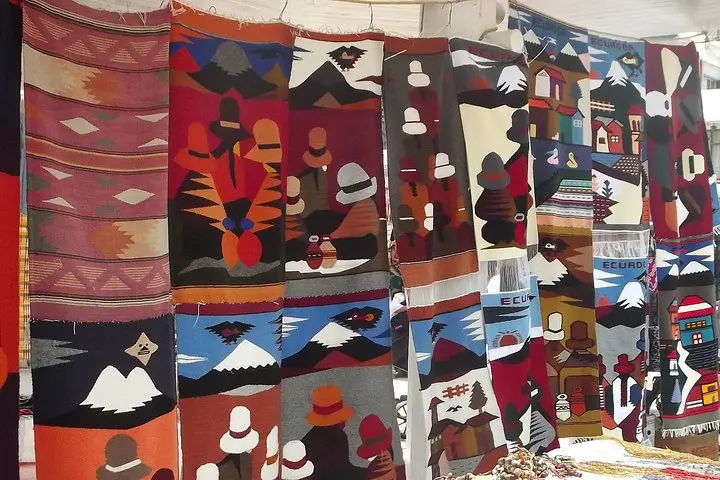
You arrive before the crowd; the plaza hums and colors move like a living map. Vendors lift blankets and rugs, threads catching the Andean light, while Imbabura Volcano keeps a quiet watch to the west. The market’s rhythm—calls, laughter, the rustle of textiles—sets the pace for a full-day excursion that blends craft, cuisine and highland landscape.
Verified experiences and guided adventures in the surrounding area.
Operated by Ecuador Tour Guide · Otavalo, Imbabura
You arrive before the crowd; the plaza hums and colors move like a living map. Vendors lift blankets and rugs, threads catching the Andean light, while Imbabura Volcano keeps a quiet watch to the west. The market’s rhythm—calls, laughter, the rustle of textiles—sets the pace for a full-day excursion that blends craft, cuisine and highland landscape.
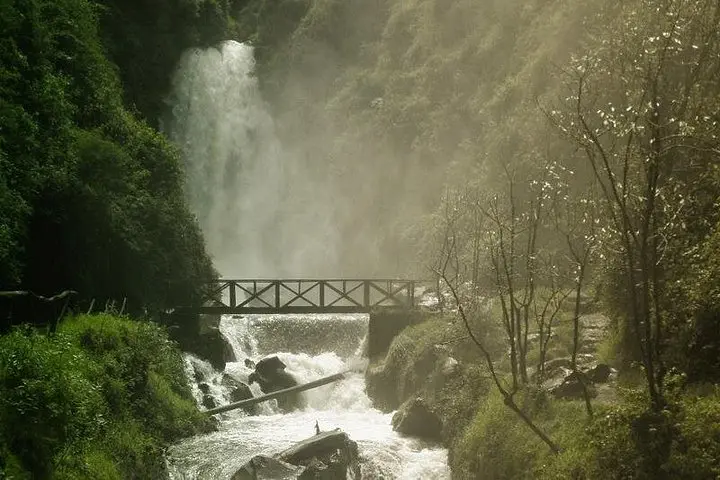
Otavalo’s market is one of South America’s longest-running indigenous trading hubs, anchored by Kichwa weaving traditions that date back centuries. Geologically, the town sits on volcanic soils shaped by nearby cones—Imbabura and Cotacachi—whose slopes feed small lakes and fertile valleys where sheep and alpaca for wool production graze. Cotacachi, a short drive away, built a reputation for leatherwork that complements Otavalo’s textile specialties.
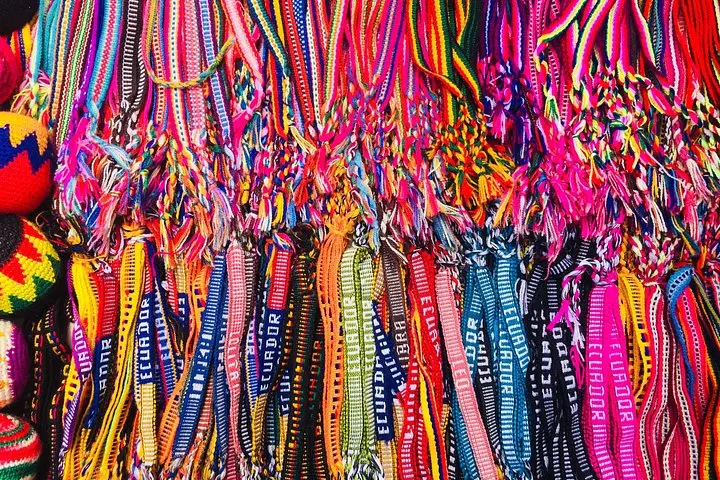
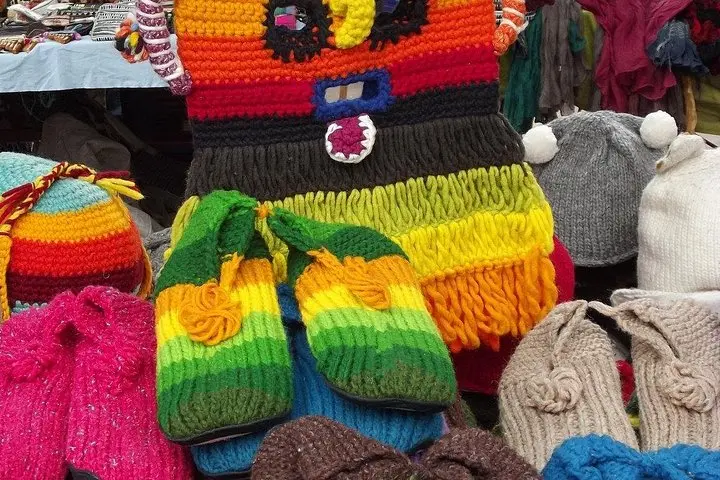
Expect stalls stacked with handwoven ponchos, embroidered blouses, silver filigree and carved wood. The local culture is transactional and social: bargaining is common, and vendors often offer small histories of their designs. A brief stop in Cayambe for bizcochos or at the lakeshore for a view of Imbabura gives context to the market’s offerings.
Practical guidance: plan for a 7–9 hour day with private transport between Quito and the market. Wear layered clothing for high-altitude sun and chilly mornings; carry cash in small bills (US dollars are used) and a lightweight daypack for purchases. If you want the fullest selection, choose a Saturday or Wednesday; otherwise the market is still active daily. Respect photography requests and consider buying directly from artisans to support the local economy.
Yes—the market operates daily, though Saturday and Wednesday are the busiest days with the widest selection of goods.
Ecuador uses the US dollar—carry small bills for easier transactions and tipping.
Expect a 7–9 hour excursion including driving time; private transport typically departs early and returns in the afternoon or evening.
Many vehicles and plaza areas are wheelchair-accessible, but some vendor aisles and stairs in shops may be narrow—check with the operator for specific needs.
Ecuador Tour Guide operates guided outdoor trips and adventures with an emphasis on safety, stewardship, and memorable experiences.
You arrive before the crowd; the plaza hums and colors move like a living map. Vendors lift blankets and rugs, threads catching the Andean light, while Imbabura Volcano keeps a quiet watch to the west. The market’s rhythm—calls, laughter, the rustle of textiles—sets the pace for a full-day excursion that blends craft, cuisine and highland landscape.
You arrive before the crowd; the plaza hums and colors move like a living map. Vendors lift blankets and rugs, threads catching the Andean light, while Imbabura Volcano keeps a quiet watch to the west. The market’s rhythm—calls, laughter, the rustle of textiles—sets the pace for a full-day excursion that blends craft, cuisine and highland landscape.
Otavalo’s market is one of South America’s longest-running indigenous trading hubs, anchored by Kichwa weaving traditions that date back centuries. Geologically, the town sits on volcanic soils shaped by nearby cones—Imbabura and Cotacachi—whose slopes feed small lakes and fertile valleys where sheep and alpaca for wool production graze. Cotacachi, a short drive away, built a reputation for leatherwork that complements Otavalo’s textile specialties.
Expect stalls stacked with handwoven ponchos, embroidered blouses, silver filigree and carved wood. The local culture is transactional and social: bargaining is common, and vendors often offer small histories of their designs. A brief stop in Cayambe for bizcochos or at the lakeshore for a view of Imbabura gives context to the market’s offerings.
Practical guidance: plan for a 7–9 hour day with private transport between Quito and the market. Wear layered clothing for high-altitude sun and chilly mornings; carry cash in small bills (US dollars are used) and a lightweight daypack for purchases. If you want the fullest selection, choose a Saturday or Wednesday; otherwise the market is still active daily. Respect photography requests and consider buying directly from artisans to support the local economy.