THE ADVENTURE COLLECTIVE® · Independent discovery and booking for outdoor travel

Drive over the High Atlas to Ouarzazate for a full day among mudbrick kasbahs, a UNESCO ksar, and the Atlas film studios. This practical guide covers what to expect, how to prepare, and local insights for a smooth cultural-desert day trip.
Drive over the High Atlas to Ouarzazate for a full day among mudbrick kasbahs, a UNESCO ksar, and the Atlas film studios. This practical guide covers what to expect, how to prepare, and local insights for a smooth cultural-desert day trip.
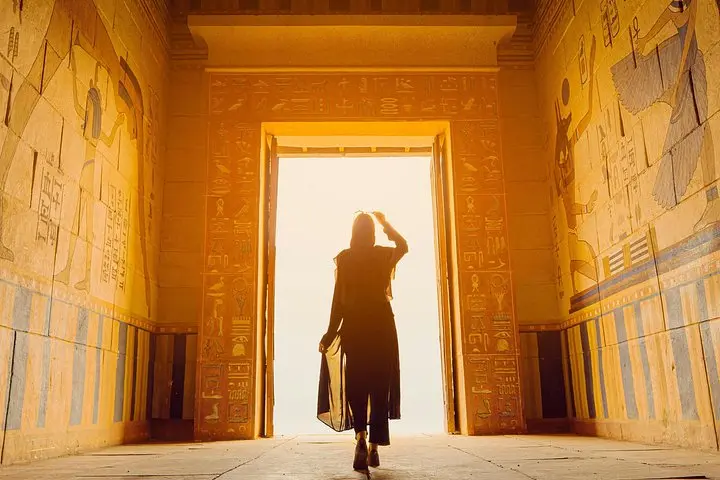
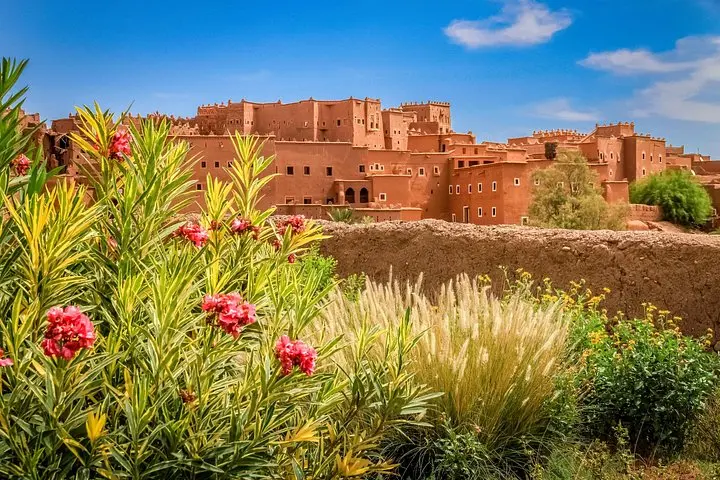
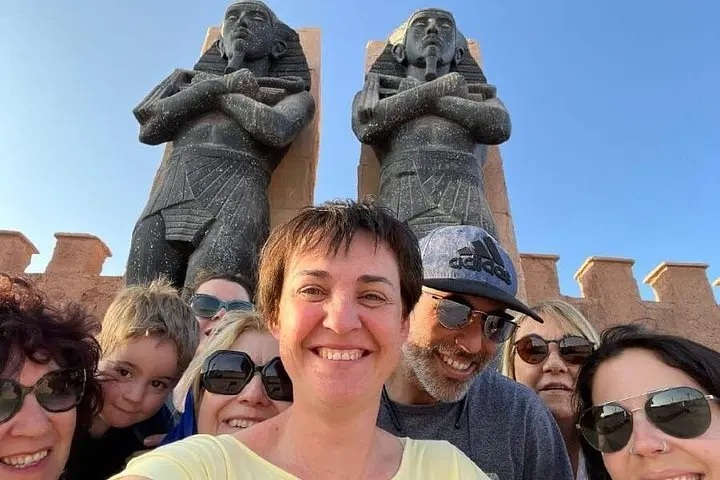
The road from Marrakech unfurls through the High Atlas, hairpin after hairpin, until suddenly the air thins and the valley opens into sun-baked earth and earthen walls. Ouarzazate greets you with ochre kasbahs that seem to have grown from the desert itself, and the town’s film studios—a stage where Hollywood met Sahara—stand like unexpected machines among ancient ramparts.
Verified experiences and guided adventures in the surrounding area.
Operated by The Moroccan Travel · Ouarzazate, Drâa-Tafilalet
The road from Marrakech unfurls through the High Atlas, hairpin after hairpin, until suddenly the air thins and the valley opens into sun-baked earth and earthen walls. Ouarzazate greets you with ochre kasbahs that seem to have grown from the desert itself, and the town’s film studios—a stage where Hollywood met Sahara—stand like unexpected machines among ancient ramparts.
This region sits where trans-Saharan trade once threaded caravans through fortified villages (ksour) and where Aït Benhaddou earned UNESCO recognition for its mudbrick architecture. Geologically, the landscape is sculpted by uplifted Atlas ranges and alluvial fans; the soil is clay-rich, which is why kasbahs are built from rammed earth and require constant maintenance. Culture here blends Amazigh (Berber) traditions with Arab influences: you’ll hear Tamazight and Arabic, and see weaving, pottery, and local irrigation practices that date back centuries.
On a day trip you’ll split time between walking narrow alleys of Aït Benhaddou, touring Taourirt Kasbah and a film studio backlot, and taking in desert panoramas from roadside viewpoints. Expect uneven cobbles, short climbs to rooftop viewpoints, and long stretches in an air-conditioned vehicle between stops.
Practical advice: go early to avoid midday heat and crowds, carry at least 1.5–2 liters of water, wear sturdy shoes with grip for packed-earth paths, and bring sun protection. Respect private homes and fragile mudbrick surfaces—these sites are living structures that need care.
Expect roughly 3–4 hours each way depending on traffic and stops; the route crosses the Tizi n’Tichka pass in the High Atlas.
Not always—confirm with the operator; there may be a small local fee for entry and rooftop access.
Yes—operators often provide infant seats and the day trip is suitable for most ages, though the drive is long for very young children.
Typically not; bring snacks or plan for a lunch stop in Ouarzazate or near Aït Benhaddou where local cafes serve tagine and bread.
The Moroccan Travel operates guided outdoor trips and adventures with an emphasis on safety, stewardship, and memorable experiences.
The road from Marrakech unfurls through the High Atlas, hairpin after hairpin, until suddenly the air thins and the valley opens into sun-baked earth and earthen walls. Ouarzazate greets you with ochre kasbahs that seem to have grown from the desert itself, and the town’s film studios—a stage where Hollywood met Sahara—stand like unexpected machines among ancient ramparts.
The road from Marrakech unfurls through the High Atlas, hairpin after hairpin, until suddenly the air thins and the valley opens into sun-baked earth and earthen walls. Ouarzazate greets you with ochre kasbahs that seem to have grown from the desert itself, and the town’s film studios—a stage where Hollywood met Sahara—stand like unexpected machines among ancient ramparts.
This region sits where trans-Saharan trade once threaded caravans through fortified villages (ksour) and where Aït Benhaddou earned UNESCO recognition for its mudbrick architecture. Geologically, the landscape is sculpted by uplifted Atlas ranges and alluvial fans; the soil is clay-rich, which is why kasbahs are built from rammed earth and require constant maintenance. Culture here blends Amazigh (Berber) traditions with Arab influences: you’ll hear Tamazight and Arabic, and see weaving, pottery, and local irrigation practices that date back centuries.
On a day trip you’ll split time between walking narrow alleys of Aït Benhaddou, touring Taourirt Kasbah and a film studio backlot, and taking in desert panoramas from roadside viewpoints. Expect uneven cobbles, short climbs to rooftop viewpoints, and long stretches in an air-conditioned vehicle between stops.
Practical advice: go early to avoid midday heat and crowds, carry at least 1.5–2 liters of water, wear sturdy shoes with grip for packed-earth paths, and bring sun protection. Respect private homes and fragile mudbrick surfaces—these sites are living structures that need care.