THE ADVENTURE COLLECTIVE® · Independent discovery and booking for outdoor travel

Cross High Atlas passes from Ouarzazate into palm oases, dramatic gorges and the shifting sands of Erg Chebbi. This six-day route blends geological spectacle, Berber hospitality and an overnight luxury camp under Sahara stars.
Cross High Atlas passes from Ouarzazate into palm oases, dramatic gorges and the shifting sands of Erg Chebbi. This six-day route blends geological spectacle, Berber hospitality and an overnight luxury camp under Sahara stars.
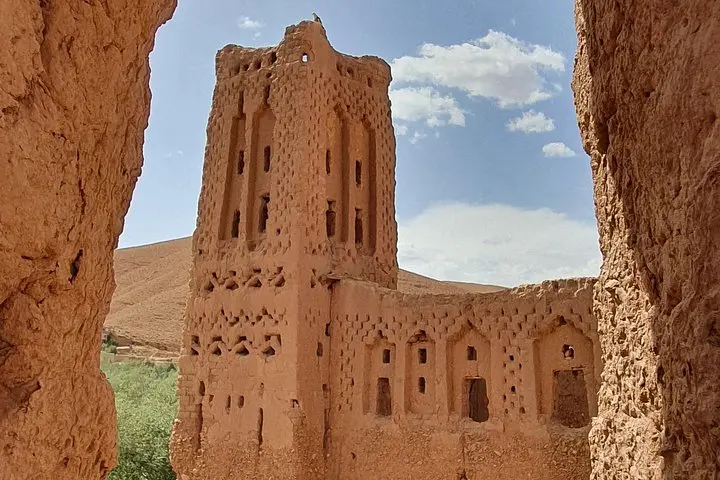
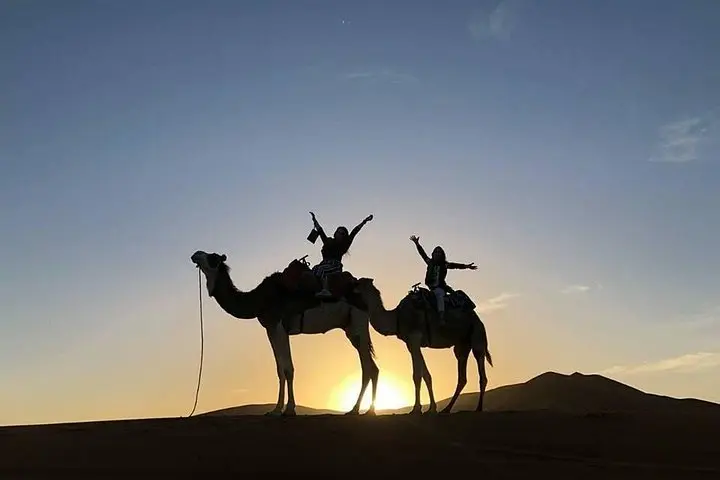
Morning light slices across ochre kasbah walls as the minibus leaves Ouarzazate and the High Atlas peels back to reveal long, sun-bleached valleys. Travelers move from the film-studio facades of Taourirt and Ait Ben Haddou into palm-lined rivers, narrow gorges and, finally, the rolling seas of Erg Chebbi. Days alternate between short walks through riverine oases and slow, contemplative hours on camelback as dunes reshape the horizon.
Verified experiences and guided adventures in the surrounding area.
Operated by Morocco Exposure · Ouarzazate, Drâa-Tafilalet
Morning light slices across ochre kasbah walls as the minibus leaves Ouarzazate and the High Atlas peels back to reveal long, sun-bleached valleys. Travelers move from the film-studio facades of Taourirt and Ait Ben Haddou into palm-lined rivers, narrow gorges and, finally, the rolling seas of Erg Chebbi. Days alternate between short walks through riverine oases and slow, contemplative hours on camelback as dunes reshape the horizon.
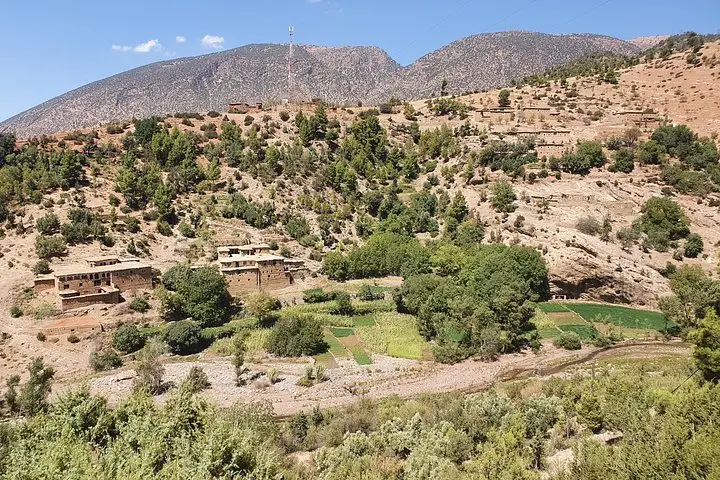
The route follows ancient caravan corridors and pockets of human history: ksars and kasbahs built of rammed earth, prehistoric petroglyphs near Tazarine, and the living culture of Berber villages from Mallab to Nkob. Geologically, the High Atlas is young and jagged; the gorges of Todra and Dades are products of river incision into layered sandstone and limestone, while Erg Chebbi is a wind-sculpted field of mobile sand formed by Saharan winds.
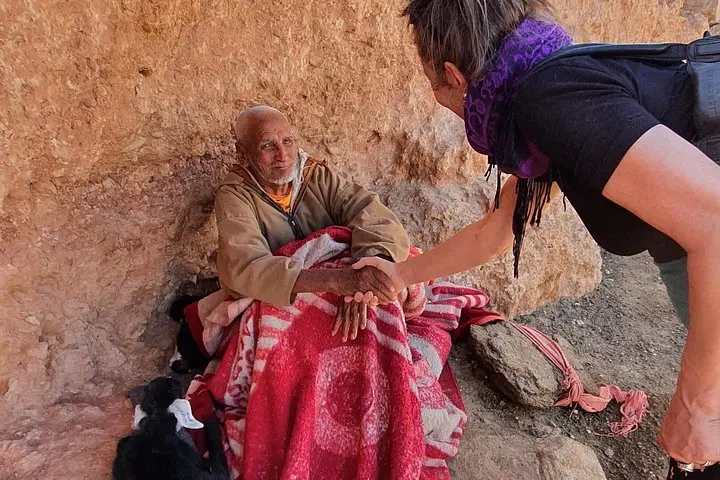
Culturally the trip centers on hospitality—shared meals, Gnaoua music in Khamlia, and evenings with nomad families—offering context beyond sightseeing. Practically, expect a mix of paved driving, short uneven hikes (riverbanks and gorge floors), a camel trek at dawn or dusk, and a luxury desert camp with private beds and communal meals.
Bring sun protection, sturdy footwear for rocky gorge trails and light layers for big diurnal swings. Hydrate on the road and plan for early starts to avoid midday heat in summer. Respect private homes and fragile oasis agriculture: ask before photographing and accept hospitality with modest gifts or purchases from local artisans.
Private transport, accommodation as listed (riads, kasbahs, luxury desert camp), most meals per itinerary, camel ride, local guide, entrance fees and bottled water are included as specified.
Camel treks are gentle and guided; dune walking involves soft sand which is more tiring than flat walking—moderate fitness is recommended.
Many riads and guest houses have steps and uneven surfaces; the operator reports wheelchair accessibility for some transfers—confirm specifics when booking to ensure needs are met.
Use bottled or filtered water provided by the operator; avoid tap water in rural areas and in some villages to prevent stomach upset.
Morocco Exposure operates guided outdoor trips and adventures with an emphasis on safety, stewardship, and memorable experiences.
Morning light slices across ochre kasbah walls as the minibus leaves Ouarzazate and the High Atlas peels back to reveal long, sun-bleached valleys. Travelers move from the film-studio facades of Taourirt and Ait Ben Haddou into palm-lined rivers, narrow gorges and, finally, the rolling seas of Erg Chebbi. Days alternate between short walks through riverine oases and slow, contemplative hours on camelback as dunes reshape the horizon.
Morning light slices across ochre kasbah walls as the minibus leaves Ouarzazate and the High Atlas peels back to reveal long, sun-bleached valleys. Travelers move from the film-studio facades of Taourirt and Ait Ben Haddou into palm-lined rivers, narrow gorges and, finally, the rolling seas of Erg Chebbi. Days alternate between short walks through riverine oases and slow, contemplative hours on camelback as dunes reshape the horizon.
The route follows ancient caravan corridors and pockets of human history: ksars and kasbahs built of rammed earth, prehistoric petroglyphs near Tazarine, and the living culture of Berber villages from Mallab to Nkob. Geologically, the High Atlas is young and jagged; the gorges of Todra and Dades are products of river incision into layered sandstone and limestone, while Erg Chebbi is a wind-sculpted field of mobile sand formed by Saharan winds.
Culturally the trip centers on hospitality—shared meals, Gnaoua music in Khamlia, and evenings with nomad families—offering context beyond sightseeing. Practically, expect a mix of paved driving, short uneven hikes (riverbanks and gorge floors), a camel trek at dawn or dusk, and a luxury desert camp with private beds and communal meals.
Bring sun protection, sturdy footwear for rocky gorge trails and light layers for big diurnal swings. Hydrate on the road and plan for early starts to avoid midday heat in summer. Respect private homes and fragile oasis agriculture: ask before photographing and accept hospitality with modest gifts or purchases from local artisans.