THE ADVENTURE COLLECTIVE® · Independent discovery and booking for outdoor travel

Leave Marrakech for a 6–7 hour mule-supported day trek around Ouirgane, following olive-slung paths into Berber villages and lunching in Tighfist at 1,200 m. Expect moderate walking, cultural encounters, and steady mountain scenery.
Leave Marrakech for a 6–7 hour mule-supported day trek around Ouirgane, following olive-slung paths into Berber villages and lunching in Tighfist at 1,200 m. Expect moderate walking, cultural encounters, and steady mountain scenery.
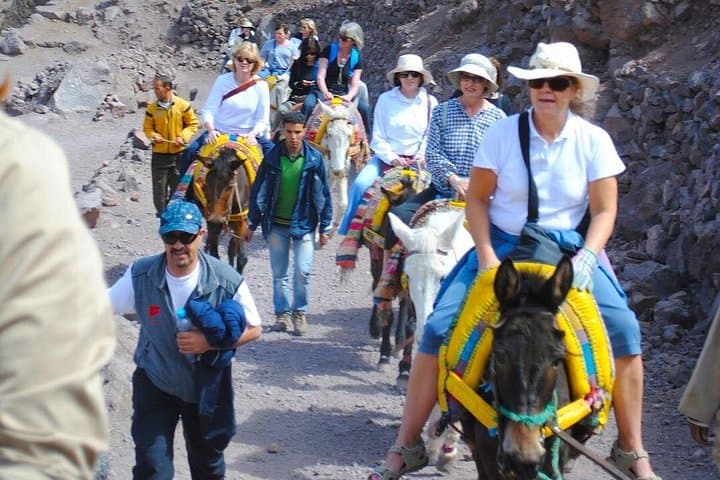
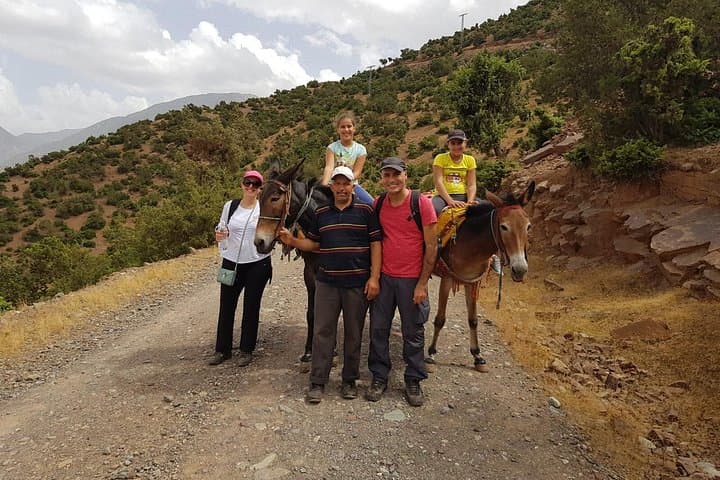
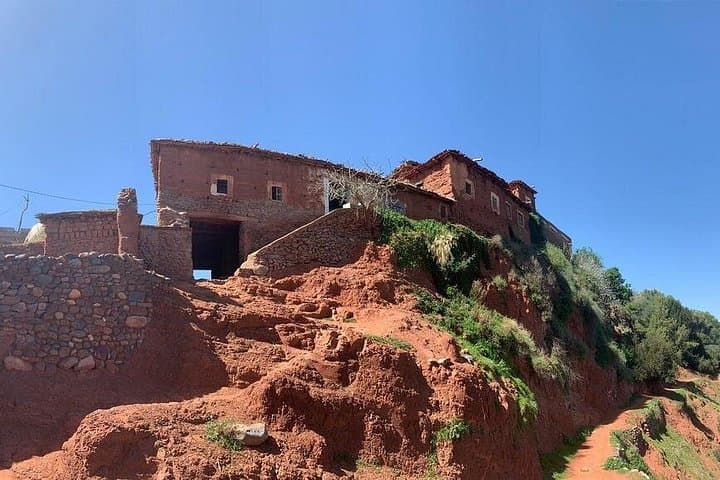
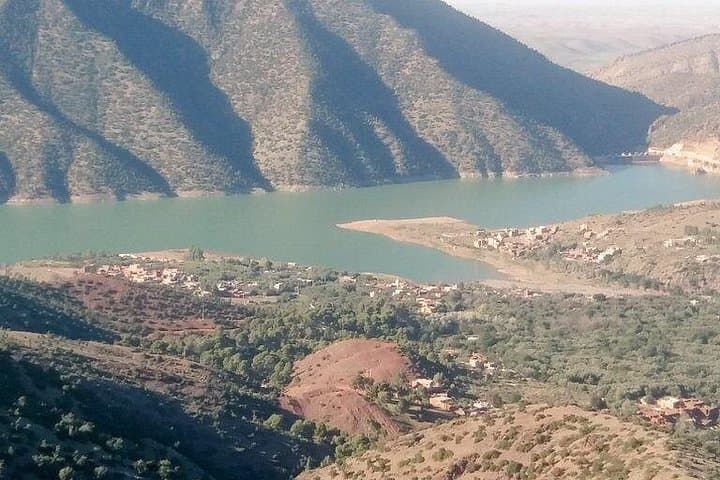
A morning haze lifts off the Atlas foothills as you climb out of Ouirgane; the valley exhales, the path pulling you past terraces and stone homes while mules pick their way behind. Olive trees shade sections of the trail, their trunks like slow-moving history, and the route opens to a ridge where you can look back to Marrakech’s dust and forward to green hollows and the distant silhouette of higher peaks.
Verified experiences and guided adventures in the surrounding area.
Operated by Ouirgane Atlas Activity · Ouirgane, Marrakech-Safi
A morning haze lifts off the Atlas foothills as you climb out of Ouirgane; the valley exhales, the path pulling you past terraces and stone homes while mules pick their way behind. Olive trees shade sections of the trail, their trunks like slow-moving history, and the route opens to a ridge where you can look back to Marrakech’s dust and forward to green hollows and the distant silhouette of higher peaks.
The walk traces centuries of human movement: Berber hamlets, seasonal grazing plots and ancient paths used by traders and villagers. Geologically the area is the western foothills of the High Atlas — folded limestone and volcanic intrusions shaped by tectonic uplift — which produces steep drainage lines and fertile valley floors where communities farm olives and figs.
Culturally the day centers on village life. Expect a midday lunch in Tighfist (about 1,200 m) in a Berber house, simple fare and strong mint tea. The mule, patient and sure-footed, carries gear and keeps the pace steady; animal use here is traditional and practical.
Practical guidance: this is a 6–7 hour outing with moderate walking and short climbs, mostly on dirt tracks and village lanes; footwear with ankle support helps. Bring 2–3 liters of water, sun protection and layered clothing for changing mountain weather. Start early to avoid mid-afternoon heat, and allow time for photography at viewpoints and a slow walk through the old Jewish village of Anraz.
The day is straightforward but rewarding — a hands-on way to meet Atlas landscapes, encounter village life, and return to Marrakech with the quiet of the mountains still in your boots.
The tour runs about 6–7 hours with a moderate, steady pace; there are several short uphill stretches and time for a village lunch and photo stops.
Mules carry equipment and help with steeper sections, but passengers should be reasonably mobile; the trip is not recommended for those with serious back issues or pregnancy.
Yes — lunch in the village of Tighfist (around 1,200 m) is included and typically features local home-cooked dishes and mint tea.
Carry small Moroccan dirham for souvenirs, tips for guides or minor purchases in villages; major payments and the tour itself are usually paid in advance.
Ouirgane Atlas Activity operates guided outdoor trips and adventures with an emphasis on safety, stewardship, and memorable experiences.
A morning haze lifts off the Atlas foothills as you climb out of Ouirgane; the valley exhales, the path pulling you past terraces and stone homes while mules pick their way behind. Olive trees shade sections of the trail, their trunks like slow-moving history, and the route opens to a ridge where you can look back to Marrakech’s dust and forward to green hollows and the distant silhouette of higher peaks.
A morning haze lifts off the Atlas foothills as you climb out of Ouirgane; the valley exhales, the path pulling you past terraces and stone homes while mules pick their way behind. Olive trees shade sections of the trail, their trunks like slow-moving history, and the route opens to a ridge where you can look back to Marrakech’s dust and forward to green hollows and the distant silhouette of higher peaks.
The walk traces centuries of human movement: Berber hamlets, seasonal grazing plots and ancient paths used by traders and villagers. Geologically the area is the western foothills of the High Atlas — folded limestone and volcanic intrusions shaped by tectonic uplift — which produces steep drainage lines and fertile valley floors where communities farm olives and figs.
Culturally the day centers on village life. Expect a midday lunch in Tighfist (about 1,200 m) in a Berber house, simple fare and strong mint tea. The mule, patient and sure-footed, carries gear and keeps the pace steady; animal use here is traditional and practical.
Practical guidance: this is a 6–7 hour outing with moderate walking and short climbs, mostly on dirt tracks and village lanes; footwear with ankle support helps. Bring 2–3 liters of water, sun protection and layered clothing for changing mountain weather. Start early to avoid mid-afternoon heat, and allow time for photography at viewpoints and a slow walk through the old Jewish village of Anraz.
The day is straightforward but rewarding — a hands-on way to meet Atlas landscapes, encounter village life, and return to Marrakech with the quiet of the mountains still in your boots.