THE ADVENTURE COLLECTIVE® · Independent discovery and booking for outdoor travel

Experience the vast scale and surprising details of the Basilica of Our Lady of Peace in Yamoussoukro on a private day tour. This guide covers history, what you’ll see — including the crocodile lake and presidential palace — and practical tips for a smooth visit.
Experience the vast scale and surprising details of the Basilica of Our Lady of Peace in Yamoussoukro on a private day tour. This guide covers history, what you’ll see — including the crocodile lake and presidential palace — and practical tips for a smooth visit.
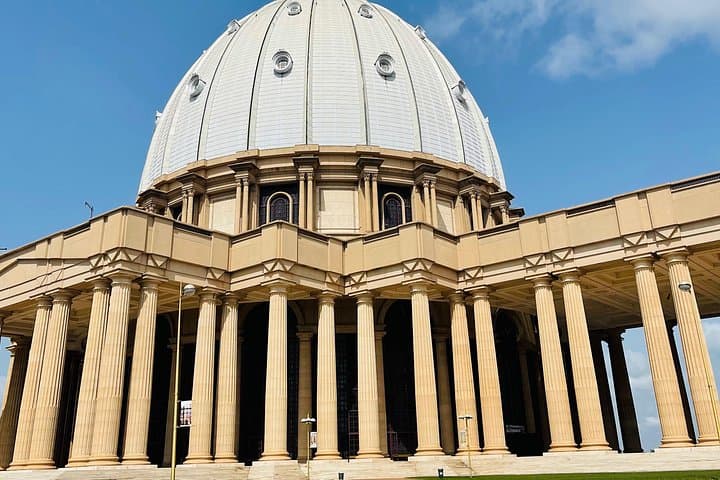
A low morning sun cuts across broad boulevards as the coach rolls into Yamoussoukro, and the basilica’s pale dome appears like an unexpected monument against a flat horizon. Visitors step from the vehicle into a plaza that favors scale over intimacy — stone, shadow, and the measured hush of a place built to impress.
Verified experiences and guided adventures in the surrounding area.
Operated by Where Next Africa · Yamoussoukro, Yamoussoukro Autonomous District
A low morning sun cuts across broad boulevards as the coach rolls into Yamoussoukro, and the basilica’s pale dome appears like an unexpected monument against a flat horizon. Visitors step from the vehicle into a plaza that favors scale over intimacy — stone, shadow, and the measured hush of a place built to impress.
The Basilica of Our Lady of Peace was completed in the 1980s under President Félix Houphouët‑Boigny and intentionally echoes Renaissance forms, drawing visible inspiration from St. Peter’s in Rome. Geologically the plain around Yamoussoukro is gently undulating savanna and clay soils; the climate is tropical with marked wet and dry seasons, which shaped both the basilica’s expansive plazas and the nearby cultivated fields.
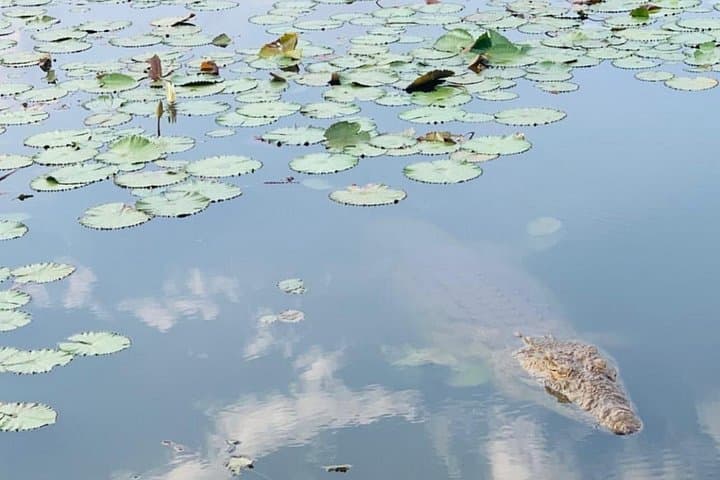
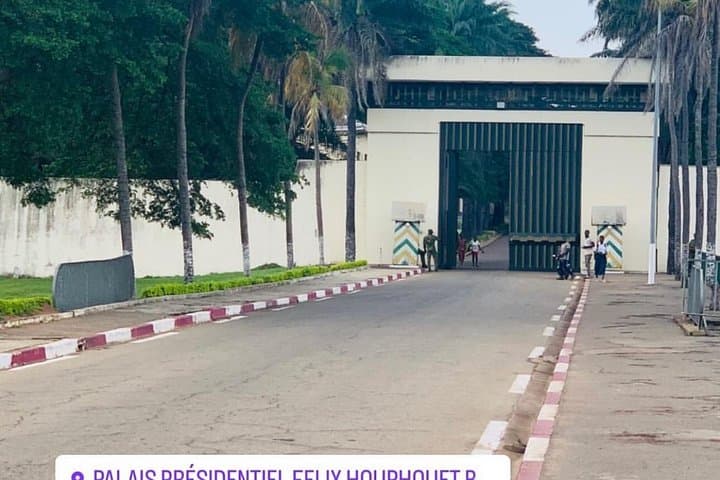
Culturally, the site sits between devotion and national ambition: locals use the grounds for ceremonies while guide‑led visits explain decorative mosaics, stained glass, and the engineering behind the oversized dome. The tour typically includes a drive past the presidential palace, a look at the crocodile lake where locals revere and feed Nile crocodiles, and a stop to sample Ivorian foods and beers in a nearby village.
Practical guidance: plan for a full day (10–11 hours if coming from Abidjan), bring sun protection and comfortable walking shoes for paved plazas, carry cash for village purchases, and allow time for photography and quiet inside the basilica. Respect dress codes inside the church, follow guides’ instructions around the crocodile lake, and schedule visits in the dry season for the clearest light and easiest roads.
The tour runs about 10–11 hours and commonly departs from Abidjan as a full‑day private excursion, though local departures from Yamoussoukro are possible.
Yes, visitors can enter; modest dress is required — shoulders and knees should be covered — and large bags may be inspected on entry.
Crocodiles at the sacred lake are generally accustomed to people, but they are wild animals; stay behind barriers and follow the guide’s safety instructions.
The tour notes wheelchair accessibility for transport and surfaces around the site, but interior access may be limited in some areas—contact the operator to confirm specific needs.
Where Next Africa operates guided outdoor trips and adventures with an emphasis on safety, stewardship, and memorable experiences.

A low morning sun cuts across broad boulevards as the coach rolls into Yamoussoukro, and the basilica’s pale dome appears like an unexpected monument against a flat horizon. Visitors step from the vehicle into a plaza that favors scale over intimacy — stone, shadow, and the measured hush of a place built to impress.
A low morning sun cuts across broad boulevards as the coach rolls into Yamoussoukro, and the basilica’s pale dome appears like an unexpected monument against a flat horizon. Visitors step from the vehicle into a plaza that favors scale over intimacy — stone, shadow, and the measured hush of a place built to impress.
The Basilica of Our Lady of Peace was completed in the 1980s under President Félix Houphouët‑Boigny and intentionally echoes Renaissance forms, drawing visible inspiration from St. Peter’s in Rome. Geologically the plain around Yamoussoukro is gently undulating savanna and clay soils; the climate is tropical with marked wet and dry seasons, which shaped both the basilica’s expansive plazas and the nearby cultivated fields.
Culturally, the site sits between devotion and national ambition: locals use the grounds for ceremonies while guide‑led visits explain decorative mosaics, stained glass, and the engineering behind the oversized dome. The tour typically includes a drive past the presidential palace, a look at the crocodile lake where locals revere and feed Nile crocodiles, and a stop to sample Ivorian foods and beers in a nearby village.
Practical guidance: plan for a full day (10–11 hours if coming from Abidjan), bring sun protection and comfortable walking shoes for paved plazas, carry cash for village purchases, and allow time for photography and quiet inside the basilica. Respect dress codes inside the church, follow guides’ instructions around the crocodile lake, and schedule visits in the dry season for the clearest light and easiest roads.