THE ADVENTURE COLLECTIVE® · Independent discovery and booking for outdoor travel
A full-day excursion from Marrakech into the Ourika Valley to hike toward Setti Fatma’s seven waterfalls, meet Berber villages, and enjoy riverside tajines. Expect steep stone steps, river crossings, and rewarding views.
A full-day excursion from Marrakech into the Ourika Valley to hike toward Setti Fatma’s seven waterfalls, meet Berber villages, and enjoy riverside tajines. Expect steep stone steps, river crossings, and rewarding views.
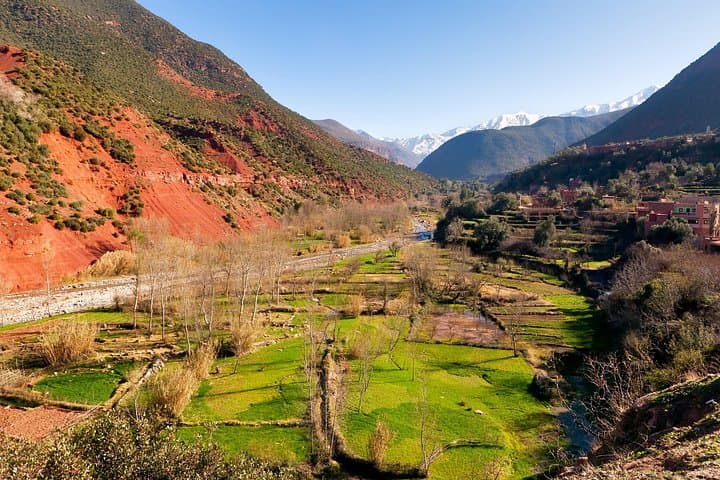
Depart Marrakech at first light and the city’s ochre walls fall away as the road climbs toward the High Atlas. The air cools, terraces step down to a braided river, and the Atlas’s rough shoulders rise like a promised challenge — by midmorning you arrive in Setti Fatma, the village that starts the trail to the seven waterfalls.
Verified experiences and guided adventures in the surrounding area.
Operated by Morocco Trips solutions · Setti Fatma, Marrakesh-Safi
Depart Marrakech at first light and the city’s ochre walls fall away as the road climbs toward the High Atlas. The air cools, terraces step down to a braided river, and the Atlas’s rough shoulders rise like a promised challenge — by midmorning you arrive in Setti Fatma, the village that starts the trail to the seven waterfalls.
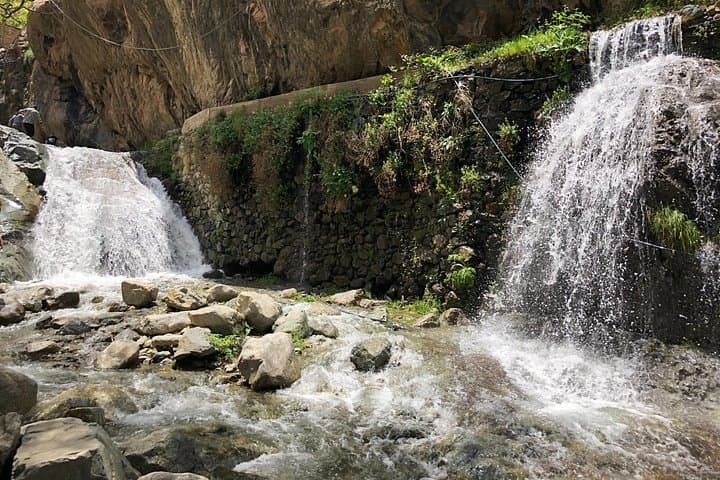
Geology here is honest: stream-cut gorges, rounded schist and granite outcrops, and riverbeds that swell with seasonal melt. The valley has long been inhabited by Berber communities speaking Chleuh; small stone houses and terraced farms still shape the slopes. Local guides lead short hikes up steep, stony paths and carved stairways that switchback to pools and cascades where you can cool your feet and watch villagers tend gardens along the river.
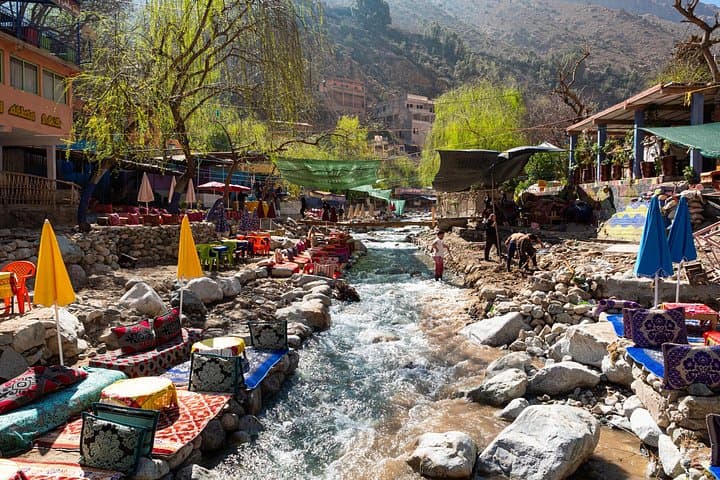
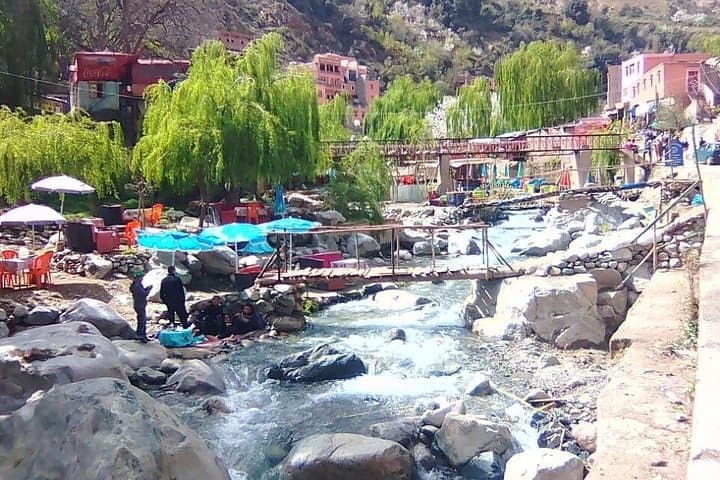
Expect 3–6 km of walking round-trip depending how high you go, roughly 200–400 m of ascent on uneven terrain, and sections that are muddy or slippery after rain. Lunch at a riverside café is often a slow tajine and mint tea — a chance to trade stories with your guide and learn about pastoral rhythms.
Practical edge: start early to avoid heat and crowds, wear sturdy shoes with grip, bring at least 1–2 liters of water and cash for small purchases. Trails are waymarked in parts but a local guide smooths navigation and lifts cultural insight. Respect local dress norms near villages, give space to farmers, and carry out waste — the valley is popular but retains a working-mountain feel that responds well to quiet visitors.
Most visitors walk 3–6 km round-trip depending on how many cascades they visit; allow 1.5–3 hours walking time within the valley.
Children can do sections of the trail but expect steep stone steps and stream crossings — supervision is required and infant carriers may be preferable to strollers.
A local guide isn’t mandatory but is recommended for navigation, cultural context, and safer route choices on steeper sections.
Basic riverside cafés and restaurants in Setti Fatma serve tajines and tea; bring cash for purchases and modest expectations for facilities higher on the trail.
Morocco Trips solutions operates guided outdoor trips and adventures with an emphasis on safety, stewardship, and memorable experiences.
Depart Marrakech at first light and the city’s ochre walls fall away as the road climbs toward the High Atlas. The air cools, terraces step down to a braided river, and the Atlas’s rough shoulders rise like a promised challenge — by midmorning you arrive in Setti Fatma, the village that starts the trail to the seven waterfalls.
Depart Marrakech at first light and the city’s ochre walls fall away as the road climbs toward the High Atlas. The air cools, terraces step down to a braided river, and the Atlas’s rough shoulders rise like a promised challenge — by midmorning you arrive in Setti Fatma, the village that starts the trail to the seven waterfalls.
Geology here is honest: stream-cut gorges, rounded schist and granite outcrops, and riverbeds that swell with seasonal melt. The valley has long been inhabited by Berber communities speaking Chleuh; small stone houses and terraced farms still shape the slopes. Local guides lead short hikes up steep, stony paths and carved stairways that switchback to pools and cascades where you can cool your feet and watch villagers tend gardens along the river.
Expect 3–6 km of walking round-trip depending how high you go, roughly 200–400 m of ascent on uneven terrain, and sections that are muddy or slippery after rain. Lunch at a riverside café is often a slow tajine and mint tea — a chance to trade stories with your guide and learn about pastoral rhythms.
Practical edge: start early to avoid heat and crowds, wear sturdy shoes with grip, bring at least 1–2 liters of water and cash for small purchases. Trails are waymarked in parts but a local guide smooths navigation and lifts cultural insight. Respect local dress norms near villages, give space to farmers, and carry out waste — the valley is popular but retains a working-mountain feel that responds well to quiet visitors.
