THE ADVENTURE COLLECTIVE® · Independent discovery and booking for outdoor travel

Leave Marrakech for a full-day hike into the Ourika Valley to visit waterfalls, walk village trails, and share a traditional Berber lunch. Expect river terraces, carved-rock viewpoints and a moderate-paced group hike with hotel pickup.
Leave Marrakech for a full-day hike into the Ourika Valley to visit waterfalls, walk village trails, and share a traditional Berber lunch. Expect river terraces, carved-rock viewpoints and a moderate-paced group hike with hotel pickup.
A cool mountain wind cuts across the valley as the road drops out of Marrakech and the High Atlas rises into view. On this full-day excursion the Ourika River threads bright green terraces and cinnamon-colored Berber houses, drawing hikers toward a cluster of river-carved waterfalls and narrow mule paths. The trail begins with cultivated fields and olive groves, then climbs into scrub and cedar-sprinkled slopes that frame distant snow-capped ridgelines in winter.
Verified experiences and guided adventures in the surrounding area.
Operated by morocco geo trips · Ourika, Marrakesh-Safi
A cool mountain wind cuts across the valley as the road drops out of Marrakech and the High Atlas rises into view. On this full-day excursion the Ourika River threads bright green terraces and cinnamon-colored Berber houses, drawing hikers toward a cluster of river-carved waterfalls and narrow mule paths. The trail begins with cultivated fields and olive groves, then climbs into scrub and cedar-sprinkled slopes that frame distant snow-capped ridgelines in winter.
Geologically the Ourika Valley is a fluvial corridor carved into folded Atlas bedrock; its steep walls show bands of schist and sandstone that the river has exposed over millennia. Culturally, the valley remains shaped by Amazigh (Berber) village life — terraced farming, communal olive presses and family-run kitchens that still cook tagine over wood fires. Setti Fatma, a popular waterfall cluster, offers a clear example of local ecology meeting everyday life.
Practical guidance: expect an 8-hour day with hotel pickup in Marrakech, mostly well-trodden trails and sections of uneven stone where good footwear matters. The provided lunch at a family home is a highlight; bring modest clothing and small bills for local purchases or tips. Water is available on the route but carry at least 1–2 liters; sun and shade alternate quickly, so layer. Guides typically lead groups under 10, keeping the pace social and allowing stops at viewpoints and village tea breaks. For anyone wanting a single, accessible introduction to the Atlas from Marrakech, this day hike pairs manageable terrain with authentic cultural contact and memorable river scenery.
The excursion is about 8 hours total including hotel pickup, transfers and a guided hike to waterfalls plus lunch.
Yes—routes are generally easy; however watch for uneven terrain and bring a stroller only on flat village sections.
Typical home-cooked dishes include soup, fresh salad, a tagine or couscous, fruit and mint tea; options for dietary needs can often be arranged in advance.
Operators usually cancel for heavy rain or unsafe conditions with a full refund if canceled at least 24 hours before departure.
morocco geo trips operates guided outdoor trips and adventures with an emphasis on safety, stewardship, and memorable experiences.
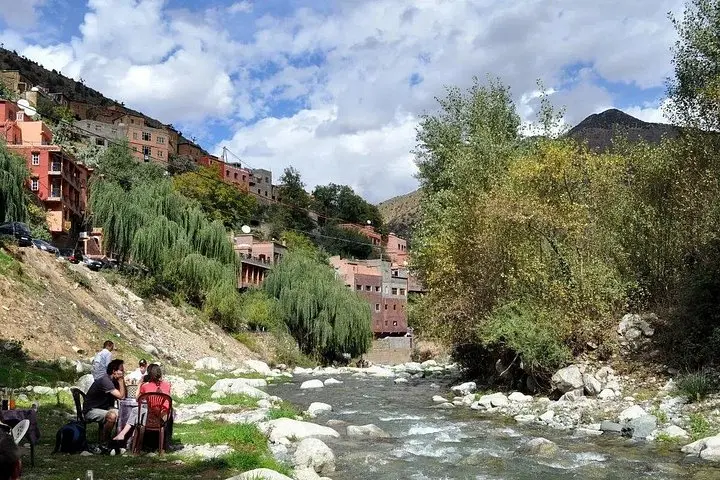
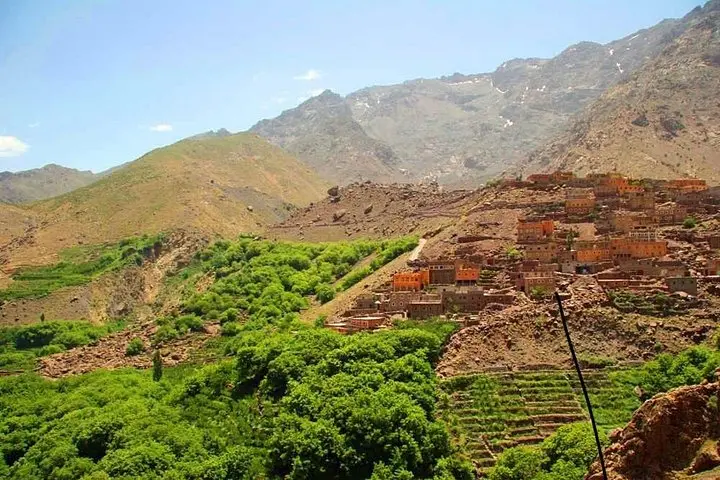
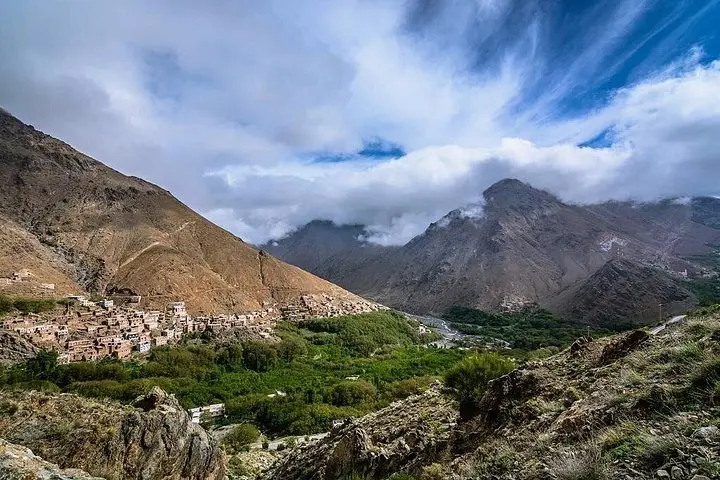
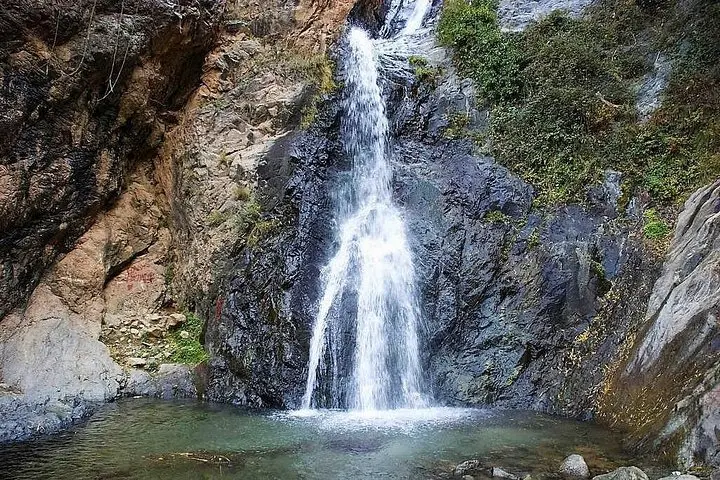
A cool mountain wind cuts across the valley as the road drops out of Marrakech and the High Atlas rises into view. On this full-day excursion the Ourika River threads bright green terraces and cinnamon-colored Berber houses, drawing hikers toward a cluster of river-carved waterfalls and narrow mule paths. The trail begins with cultivated fields and olive groves, then climbs into scrub and cedar-sprinkled slopes that frame distant snow-capped ridgelines in winter.
A cool mountain wind cuts across the valley as the road drops out of Marrakech and the High Atlas rises into view. On this full-day excursion the Ourika River threads bright green terraces and cinnamon-colored Berber houses, drawing hikers toward a cluster of river-carved waterfalls and narrow mule paths. The trail begins with cultivated fields and olive groves, then climbs into scrub and cedar-sprinkled slopes that frame distant snow-capped ridgelines in winter.
Geologically the Ourika Valley is a fluvial corridor carved into folded Atlas bedrock; its steep walls show bands of schist and sandstone that the river has exposed over millennia. Culturally, the valley remains shaped by Amazigh (Berber) village life — terraced farming, communal olive presses and family-run kitchens that still cook tagine over wood fires. Setti Fatma, a popular waterfall cluster, offers a clear example of local ecology meeting everyday life.
Practical guidance: expect an 8-hour day with hotel pickup in Marrakech, mostly well-trodden trails and sections of uneven stone where good footwear matters. The provided lunch at a family home is a highlight; bring modest clothing and small bills for local purchases or tips. Water is available on the route but carry at least 1–2 liters; sun and shade alternate quickly, so layer. Guides typically lead groups under 10, keeping the pace social and allowing stops at viewpoints and village tea breaks. For anyone wanting a single, accessible introduction to the Atlas from Marrakech, this day hike pairs manageable terrain with authentic cultural contact and memorable river scenery.