THE ADVENTURE COLLECTIVE® · Independent discovery and booking for outdoor travel

Escape Marrakech for a full-day hike into the Ourika Valley to visit Berber villages, argan cooperatives and the Setti Fatma waterfalls. This guided trip combines cultural stops with an easy riverside walk and a traditional lunch.
Escape Marrakech for a full-day hike into the Ourika Valley to visit Berber villages, argan cooperatives and the Setti Fatma waterfalls. This guided trip combines cultural stops with an easy riverside walk and a traditional lunch.
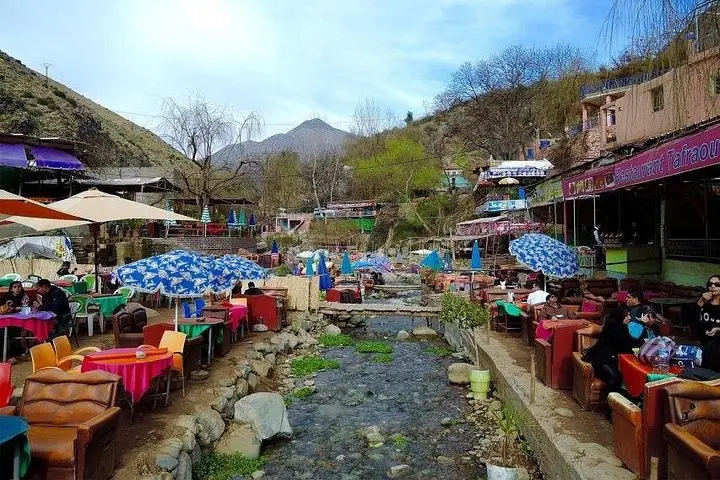
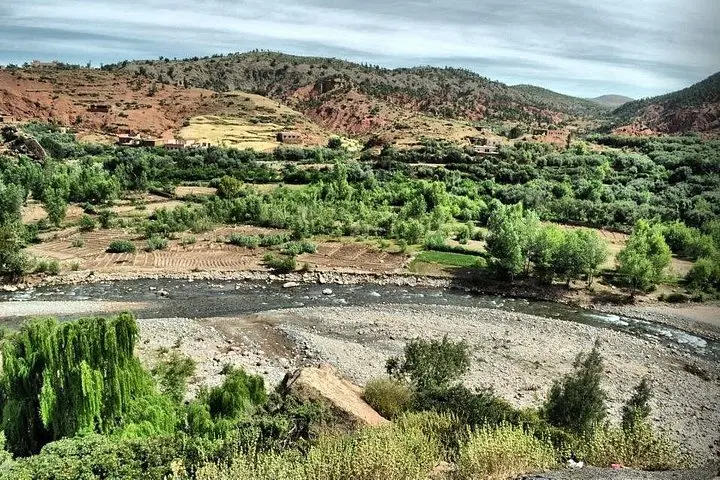
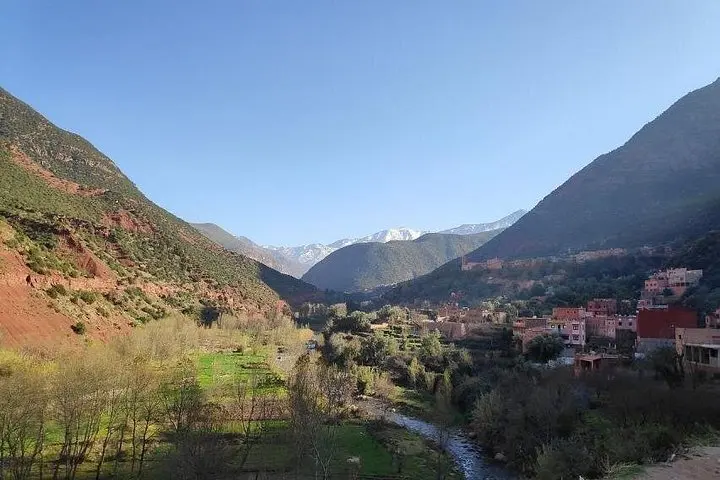
The morning air sharpens as the minibus peels away from Marrakech and the Atlas Mountains rise up, terraces and gullies cutting the sky. Roads curve through ochre slopes and the Ourika River, impatient and bright, threads its way downhill—inviting walkers to follow. By mid-morning you step out in a high valley village: stone houses, women sorting argan kernels, and a local guide pointing the way toward the Setti Fatma cascades.
Verified experiences and guided adventures in the surrounding area.
Operated by BIG G TOURS EVASION · Setti Fatma, Marrakesh-Safi
The morning air sharpens as the minibus peels away from Marrakech and the Atlas Mountains rise up, terraces and gullies cutting the sky. Roads curve through ochre slopes and the Ourika River, impatient and bright, threads its way downhill—inviting walkers to follow. By mid-morning you step out in a high valley village: stone houses, women sorting argan kernels, and a local guide pointing the way toward the Setti Fatma cascades.
The Ourika Valley sits on the northern fringe of the High Atlas, a region shaped by tectonic uplift and seasonal runoff that carves steep ravines and deposits fertile shelves for terraced farming. The valley has long been home to Amazigh (Berber) communities who keep pottery, weaving and argan pressing alive; women's cooperatives here play a central role in the local economy.
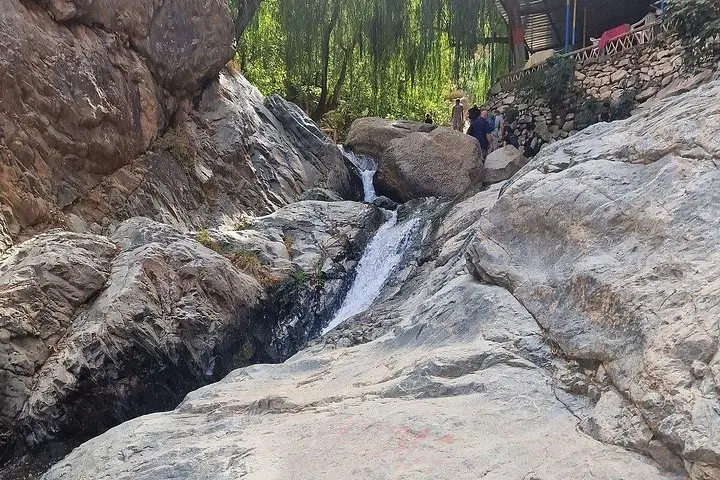
Expect a guided 1–2 hour walk along well-trodden paths beside the river, olive groves, and irrigated terraces, ending at a series of step-like waterfalls. Terrain alternates between packed dirt, stone steps and short rocky scrambles—the landscape itself feels purposeful, nudging you forward with the sound of the cascades.
Practical notes: tours depart Marrakech in the morning and return by early evening; bring sun protection, a refillable water bottle, and shoes with grip. The hike is short but uneven—children and less-mobile travelers should take care. Stops include a visit to a Berber house, an argan cooperative demonstration, and a shared Moroccan lunch (private tours include a fuller meal). Timing your trip for spring or autumn will give cooler temperatures and fuller falls; summer can be hot and busier. Leave no trace and support cooperatives that pay fair prices—your visit helps sustain both culture and landscape.
The guided walk is typically 1–2 hours round trip, depending on pace and how many cascades you visit.
Lunch is included for private tour options; standard group options may include a shorter meal—confirm when booking.
Yes—paths are generally suitable for families but uneven sections and some steps mean those with limited mobility should take care or sit out portions.
Yes—small purchases and tips at argan cooperatives and local homes are usually cash-based; carry small denominations.
BIG G TOURS EVASION operates guided outdoor trips and adventures with an emphasis on safety, stewardship, and memorable experiences.
The morning air sharpens as the minibus peels away from Marrakech and the Atlas Mountains rise up, terraces and gullies cutting the sky. Roads curve through ochre slopes and the Ourika River, impatient and bright, threads its way downhill—inviting walkers to follow. By mid-morning you step out in a high valley village: stone houses, women sorting argan kernels, and a local guide pointing the way toward the Setti Fatma cascades.
The morning air sharpens as the minibus peels away from Marrakech and the Atlas Mountains rise up, terraces and gullies cutting the sky. Roads curve through ochre slopes and the Ourika River, impatient and bright, threads its way downhill—inviting walkers to follow. By mid-morning you step out in a high valley village: stone houses, women sorting argan kernels, and a local guide pointing the way toward the Setti Fatma cascades.
The Ourika Valley sits on the northern fringe of the High Atlas, a region shaped by tectonic uplift and seasonal runoff that carves steep ravines and deposits fertile shelves for terraced farming. The valley has long been home to Amazigh (Berber) communities who keep pottery, weaving and argan pressing alive; women's cooperatives here play a central role in the local economy.
Expect a guided 1–2 hour walk along well-trodden paths beside the river, olive groves, and irrigated terraces, ending at a series of step-like waterfalls. Terrain alternates between packed dirt, stone steps and short rocky scrambles—the landscape itself feels purposeful, nudging you forward with the sound of the cascades.
Practical notes: tours depart Marrakech in the morning and return by early evening; bring sun protection, a refillable water bottle, and shoes with grip. The hike is short but uneven—children and less-mobile travelers should take care. Stops include a visit to a Berber house, an argan cooperative demonstration, and a shared Moroccan lunch (private tours include a fuller meal). Timing your trip for spring or autumn will give cooler temperatures and fuller falls; summer can be hot and busier. Leave no trace and support cooperatives that pay fair prices—your visit helps sustain both culture and landscape.