
Ourika Valley Day Tour from Marrakech — Waterfalls, Berber Villages & Atlas Walks
A full-day excursion from Marrakech into the High Atlas that combines easy river hikes, visits to Berber villages, and scenic waterfalls. Ideal for travelers who want culture and low-impact outdoor time without technical demands.
An Adventure In Marrakech.
A full-day excursion from Marrakech into the High Atlas that combines easy river hikes, visits to Berber villages, and scenic waterfalls. Ideal for travelers who want culture and low-impact outdoor time without technical demands.
Read the full experience
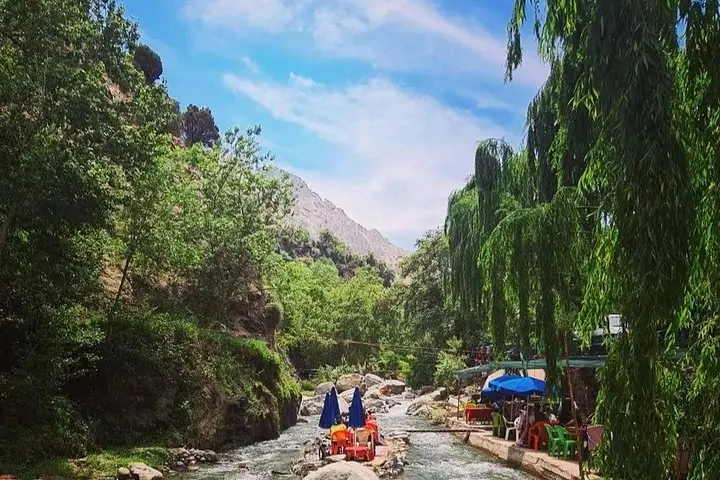
You leave Marrakech before the heat, the road stretching toward the High Atlas as olive groves and argan trees blur past. The Ourika River threads the valley below, its voice rising and falling as the minibus climbs. By midmorning you step from the vehicle into cool air; stone terraces and flat-roofed Berber homes frame a trail that leads upriver toward scattering cascades.
You leave Marrakech before the heat, the road stretching toward the High Atlas as olive groves and argan trees blur past. The Ourika River threads the valley below, its voice rising and falling as the minibus climbs. By midmorning you step from the vehicle into cool air; stone terraces and flat-roofed Berber homes frame a trail that leads upriver toward scattering cascades.
The valley has long been home to Amazigh (Berber) communities who farm terraces cut into volcanic soils and seasonally move flocks. Geologically the Ourika is a narrow incision through older granitic and metamorphic bedrock of the Lesser Atlas; runoff and snowmelt feed a string of waterfalls that change with the seasons. Local culture is tangible—tea offered in a family house, crafts sold beside the path—and guides often explain agricultural rhythms and community life.
Expect short, uneven hikes (up to an hour at the main falls), river-side lunches, and casual village visits rather than technically demanding mountaineering. Trails are rocky and can be muddy after rain; the higher cascades require steeper walking and simple scrambling. Photographing the falls is best in soft morning or late-afternoon light when the river seems to dare you forward and the valley cools. Respect private property, accept invitations for tea with courtesy, and tip locally.
Practical: total outing is roughly an 8-hour round trip from Marrakech with hotel pickup, air-conditioned transfer, and a local guide. Bring closed-toe shoes, a rain shell if visiting winter or spring, minimum 1.5 liters of water, sun protection, and small bills for purchases and tips.
Frequently asked questions
The drive is roughly 45–60 minutes each way depending on traffic and exact pickup location—plan for an 8-hour total excursion including stops.
Yes—most parts are gentle; however, the path to upper cascades includes uneven steps and short steep sections that may challenge very young children or those with mobility issues.
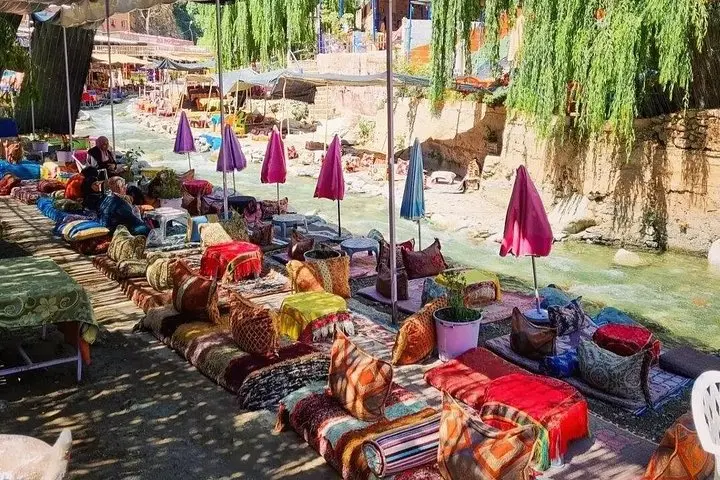
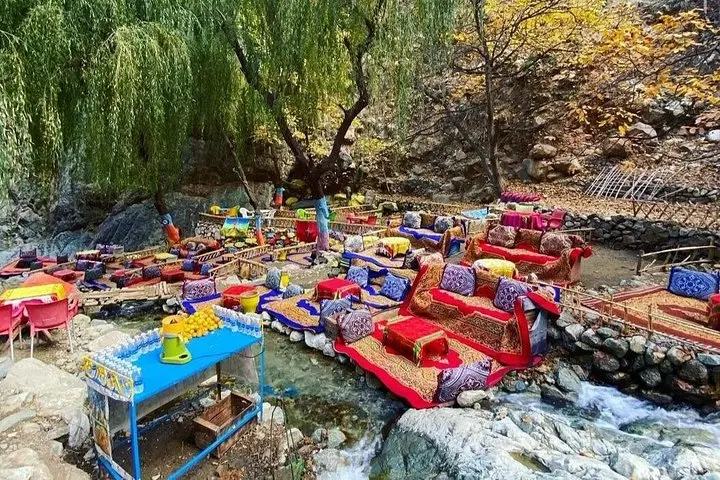
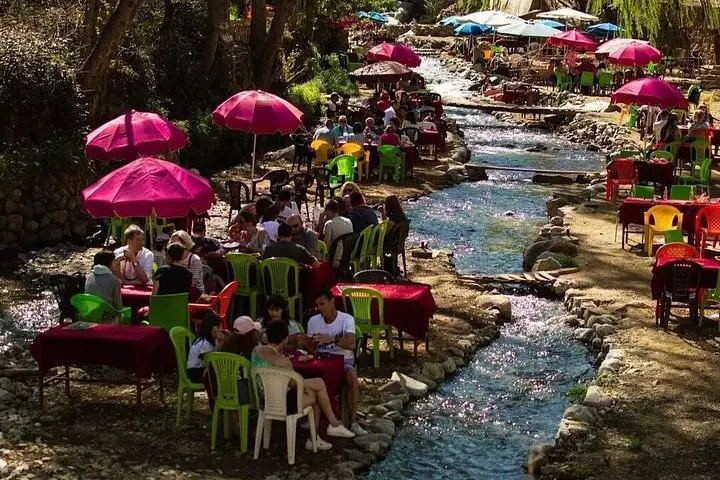
Lunch by the river and Moroccan tea are included; bring extra cash for additional snacks, refreshments, or purchases in the villages.
Many tours include a visit to a local house or family for tea and conversation—respect local customs and ask before taking photographs of people.
About This Experience
Trips desert Marrakech operates guided outdoor trips and adventures with an emphasis on safety, stewardship, and memorable experiences.
Adventure tips
Recommended gear
- Closed-toe hiking shoes: Protects feet on rocky, sometimes muddy trails near the waterfalls.
- Light waterproof jacket: Useful during spring snowmelt or unexpected showers.
- Sun hat and sunscreen: Valley sun can be strong during midday; protection prevents sunburn and exhaustion.
- Small daypack: Carries water, snacks, camera, and layers while keeping your hands free on uneven terrain.
Photos of the experience
Related adventures & guides
Read the full experience
You leave Marrakech before the heat, the road stretching toward the High Atlas as olive groves and argan trees blur past. The Ourika River threads the valley below, its voice rising and falling as the minibus climbs. By midmorning you step from the vehicle into cool air; stone terraces and flat-roofed Berber homes frame a trail that leads upriver toward scattering cascades.
You leave Marrakech before the heat, the road stretching toward the High Atlas as olive groves and argan trees blur past. The Ourika River threads the valley below, its voice rising and falling as the minibus climbs. By midmorning you step from the vehicle into cool air; stone terraces and flat-roofed Berber homes frame a trail that leads upriver toward scattering cascades.
The valley has long been home to Amazigh (Berber) communities who farm terraces cut into volcanic soils and seasonally move flocks. Geologically the Ourika is a narrow incision through older granitic and metamorphic bedrock of the Lesser Atlas; runoff and snowmelt feed a string of waterfalls that change with the seasons. Local culture is tangible—tea offered in a family house, crafts sold beside the path—and guides often explain agricultural rhythms and community life.
Expect short, uneven hikes (up to an hour at the main falls), river-side lunches, and casual village visits rather than technically demanding mountaineering. Trails are rocky and can be muddy after rain; the higher cascades require steeper walking and simple scrambling. Photographing the falls is best in soft morning or late-afternoon light when the river seems to dare you forward and the valley cools. Respect private property, accept invitations for tea with courtesy, and tip locally.
Practical: total outing is roughly an 8-hour round trip from Marrakech with hotel pickup, air-conditioned transfer, and a local guide. Bring closed-toe shoes, a rain shell if visiting winter or spring, minimum 1.5 liters of water, sun protection, and small bills for purchases and tips.
Make a day of it nearby.
Verified experiences and guided adventures in the surrounding area.