THE ADVENTURE COLLECTIVE® · Independent discovery and booking for outdoor travel

Escape Marrakech for a day in the Ourika Valley — walk to seven waterfalls, meet Berber villages, and watch the Ourika River press downhill through the High Atlas. This practical guide covers what to expect, local culture, and how to prepare.
Escape Marrakech for a day in the Ourika Valley — walk to seven waterfalls, meet Berber villages, and watch the Ourika River press downhill through the High Atlas. This practical guide covers what to expect, local culture, and how to prepare.
You step out of the air‑conditioned minivan and the Ourika River greets you — a cool, insistent presence that has carved a green throat through the southern flank of the High Atlas. The road drops through terraced fields and low argan trees; children wave from stone houses while the valley narrows and the peaks loom, their stony faces pushing the sky back.
Verified experiences and guided adventures in the surrounding area.
Operated by Morocco Destination Experts · Setti Fatma, Marrakech-Safi
You step out of the air‑conditioned minivan and the Ourika River greets you — a cool, insistent presence that has carved a green throat through the southern flank of the High Atlas. The road drops through terraced fields and low argan trees; children wave from stone houses while the valley narrows and the peaks loom, their stony faces pushing the sky back.
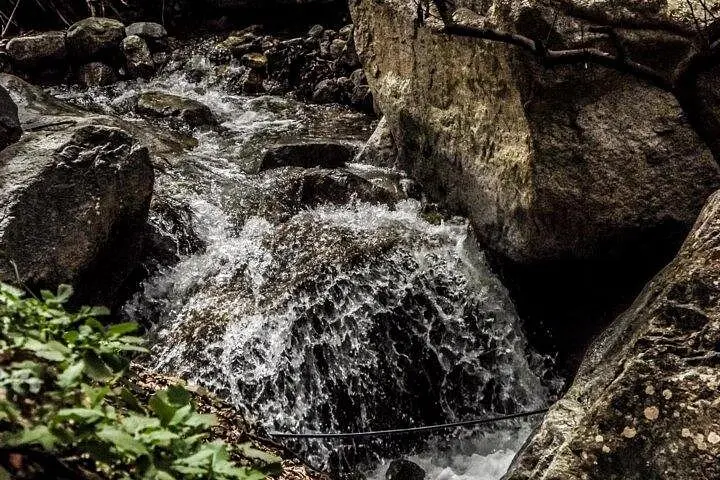
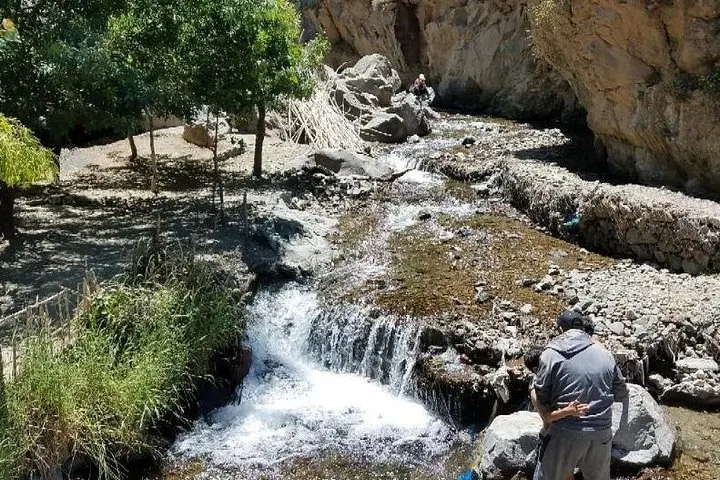
This corridor has been home to Amazigh (Berber) communities for centuries. Small farms, irrigation channels and summer hamlets around Setti Fatma reflect a working mountain culture; geologically the High Atlas is young and uplifted, folded and fractured by African–Eurasian plate collisions, so expect steep ravines and layered rock underfoot. The Seven Waterfalls above Setti Fatma are popular for a reason — a string of cascades that cut through schist and sandstone, collecting in clear pools where macaques sometimes forage along the banks.
Practical side: the trip runs 7–9 hours round‑trip from Marrakech with several short hikes of 1–3 km each and modest elevation gains (roughly 200–400 m on the best waterfall routes). Wear sturdy shoes for uneven, sometimes slick trails; bring 1–2 liters of water, sun protection and small cash for local tea or argan oil cooperatives. Local guides are available and can navigate steeper sections and negotiate with vendors; don’t feed wildlife and give macaques space. Aim for an early start to avoid midday heat and return with time to walk Marrakech’s medina as the light softens.
About 45–60 minutes each way depending on traffic and your pickup point in the city.
Most waterfall paths are family‑friendly but include uneven steps; bring a local guide for steeper sections and plan shorter walks for very young or less mobile travelers.
No — feeding macaques is discouraged because it changes their behavior and raises safety issues; observe and photograph from a respectful distance.
Lunch is often arranged riverside at local restaurants; vegetarian options are commonly available but confirm when booking or inform guides ahead of time.
Morocco Destination Experts operates guided outdoor trips and adventures with an emphasis on safety, stewardship, and memorable experiences.
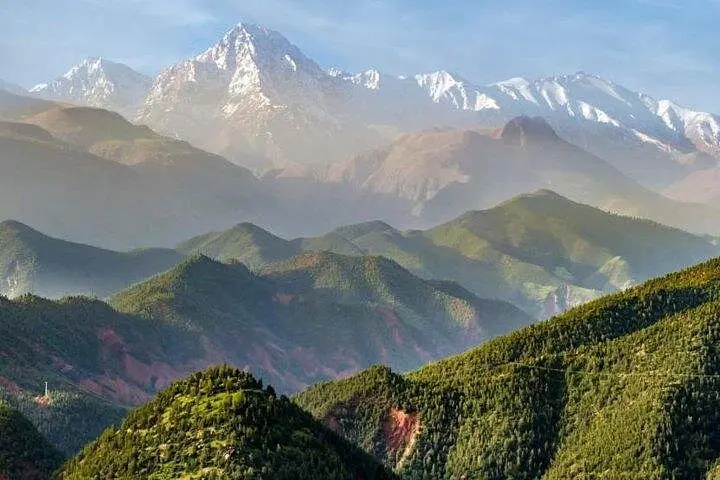
You step out of the air‑conditioned minivan and the Ourika River greets you — a cool, insistent presence that has carved a green throat through the southern flank of the High Atlas. The road drops through terraced fields and low argan trees; children wave from stone houses while the valley narrows and the peaks loom, their stony faces pushing the sky back.
You step out of the air‑conditioned minivan and the Ourika River greets you — a cool, insistent presence that has carved a green throat through the southern flank of the High Atlas. The road drops through terraced fields and low argan trees; children wave from stone houses while the valley narrows and the peaks loom, their stony faces pushing the sky back.
This corridor has been home to Amazigh (Berber) communities for centuries. Small farms, irrigation channels and summer hamlets around Setti Fatma reflect a working mountain culture; geologically the High Atlas is young and uplifted, folded and fractured by African–Eurasian plate collisions, so expect steep ravines and layered rock underfoot. The Seven Waterfalls above Setti Fatma are popular for a reason — a string of cascades that cut through schist and sandstone, collecting in clear pools where macaques sometimes forage along the banks.
Practical side: the trip runs 7–9 hours round‑trip from Marrakech with several short hikes of 1–3 km each and modest elevation gains (roughly 200–400 m on the best waterfall routes). Wear sturdy shoes for uneven, sometimes slick trails; bring 1–2 liters of water, sun protection and small cash for local tea or argan oil cooperatives. Local guides are available and can navigate steeper sections and negotiate with vendors; don’t feed wildlife and give macaques space. Aim for an early start to avoid midday heat and return with time to walk Marrakech’s medina as the light softens.