THE ADVENTURE COLLECTIVE® · Independent discovery and booking for outdoor travel

Short drive from Marrakech, the Ourika Valley combines easy river walks, cascading waterfalls, and visits to traditional Berber villages. This full-day excursion mixes light hiking with cultural stops and mountain views.
Short drive from Marrakech, the Ourika Valley combines easy river walks, cascading waterfalls, and visits to traditional Berber villages. This full-day excursion mixes light hiking with cultural stops and mountain views.
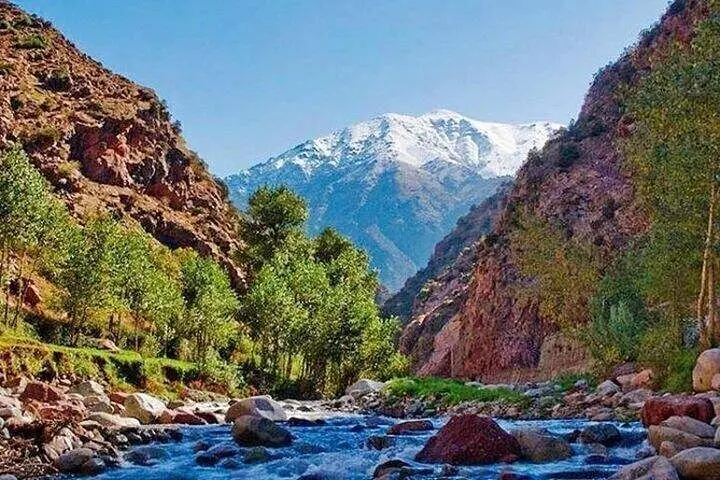
A thin ribbon of river cuts through ochre slopes as you drive south from Marrakech, the Atlas Mountains rising like a promise on the horizon. By mid-morning the valley opens into terraces of mint, almond trees, and small stone hamlets; river spray cools the air and waterfalls call you closer. The landscape alternates between cultivated riverbanks and steeper ravines where trails climb to lookout points.
Verified experiences and guided adventures in the surrounding area.
Operated by Anouar Tours · Ourika Valley, Marrakech-Safi
A thin ribbon of river cuts through ochre slopes as you drive south from Marrakech, the Atlas Mountains rising like a promise on the horizon. By mid-morning the valley opens into terraces of mint, almond trees, and small stone hamlets; river spray cools the air and waterfalls call you closer. The landscape alternates between cultivated riverbanks and steeper ravines where trails climb to lookout points.
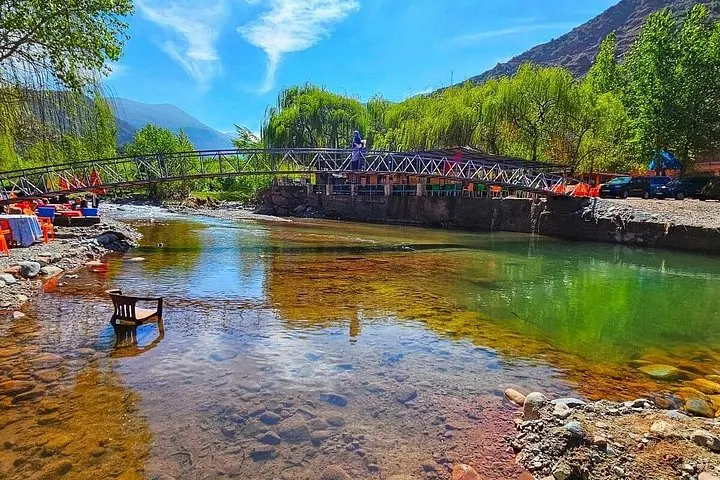
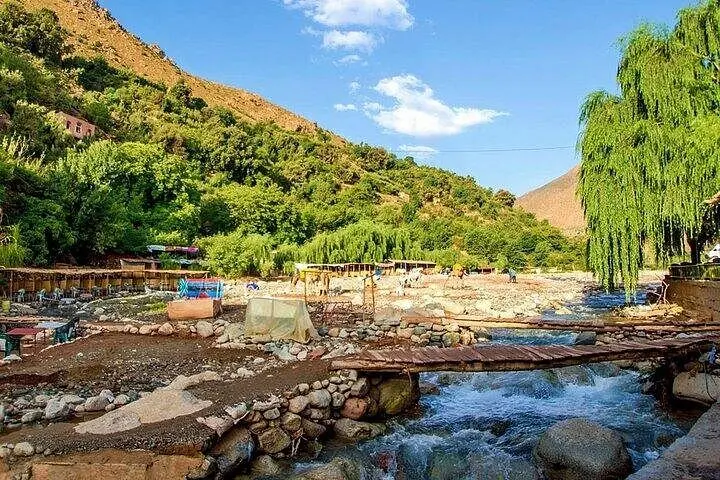
The Ourika Valley sits on the northern flank of the High Atlas and has long supported Amazigh (Berber) communities who farm river terraces and trade in handwoven crafts. Geologically the valley is shaped by fast-moving streams carving shale and sandstone, creating stepped cascades and narrow gorges. Local markets and riverside cafés offer direct contact with village life and traditional cuisine—tagine, mint tea, and simple grilled meats—served with mountain views.
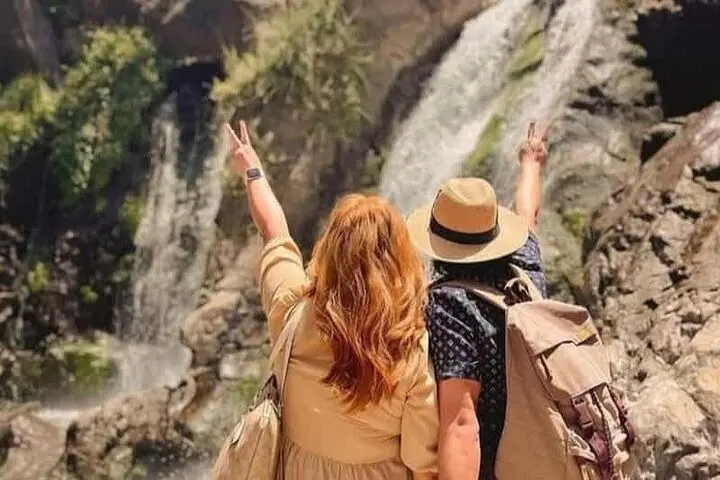
Expect a mix of easy riverside walks and short uphill scrambles if you follow trails toward Setti Fatma’s waterfalls. Guides from local agencies provide historical context, point out medicinal plants, and handle logistics so you can focus on the trail. Practical notes: wear sturdy shoes with grip for damp rocks, bring layered clothing because mountain afternoons cool quickly, and carry water and sun protection for exposed stretches.
Timing matters—arrive early to avoid crowds and heat, and allow extra time for stops in village markets. Respect private land and local customs; tipping guides and buying a local craft supports the valley’s economy while minimizing your footprint. The Ourika Valley delivers accessible mountain scenery and a clear window into Atlas life in a single, full day.
The valley is roughly a 45–60 minute drive each way from central Marrakech depending on traffic and your pick-up location.
Most waterfall trails are short but can be steep and slippery; basic hiking fitness and good shoes are recommended.
Day-trip itineraries commonly include a traditional riverside lunch, but confirm with your operator before booking.
Yes; most organized tours provide guides who speak English, French, and often basic Spanish.
Anouar Tours operates guided outdoor trips and adventures with an emphasis on safety, stewardship, and memorable experiences.
A thin ribbon of river cuts through ochre slopes as you drive south from Marrakech, the Atlas Mountains rising like a promise on the horizon. By mid-morning the valley opens into terraces of mint, almond trees, and small stone hamlets; river spray cools the air and waterfalls call you closer. The landscape alternates between cultivated riverbanks and steeper ravines where trails climb to lookout points.
A thin ribbon of river cuts through ochre slopes as you drive south from Marrakech, the Atlas Mountains rising like a promise on the horizon. By mid-morning the valley opens into terraces of mint, almond trees, and small stone hamlets; river spray cools the air and waterfalls call you closer. The landscape alternates between cultivated riverbanks and steeper ravines where trails climb to lookout points.
The Ourika Valley sits on the northern flank of the High Atlas and has long supported Amazigh (Berber) communities who farm river terraces and trade in handwoven crafts. Geologically the valley is shaped by fast-moving streams carving shale and sandstone, creating stepped cascades and narrow gorges. Local markets and riverside cafés offer direct contact with village life and traditional cuisine—tagine, mint tea, and simple grilled meats—served with mountain views.
Expect a mix of easy riverside walks and short uphill scrambles if you follow trails toward Setti Fatma’s waterfalls. Guides from local agencies provide historical context, point out medicinal plants, and handle logistics so you can focus on the trail. Practical notes: wear sturdy shoes with grip for damp rocks, bring layered clothing because mountain afternoons cool quickly, and carry water and sun protection for exposed stretches.
Timing matters—arrive early to avoid crowds and heat, and allow extra time for stops in village markets. Respect private land and local customs; tipping guides and buying a local craft supports the valley’s economy while minimizing your footprint. The Ourika Valley delivers accessible mountain scenery and a clear window into Atlas life in a single, full day.