THE ADVENTURE COLLECTIVE® · Independent discovery and booking for outdoor travel

Leave Marrakech for a day in the High Atlas where terraces, rushing streams and traditional Berber hospitality shape the Ourika Valley experience. Hike to Setti Fatma’s waterfalls, visit a family kitchen, and enjoy a mountain lunch before returning to the city.
Leave Marrakech for a day in the High Atlas where terraces, rushing streams and traditional Berber hospitality shape the Ourika Valley experience. Hike to Setti Fatma’s waterfalls, visit a family kitchen, and enjoy a mountain lunch before returning to the city.
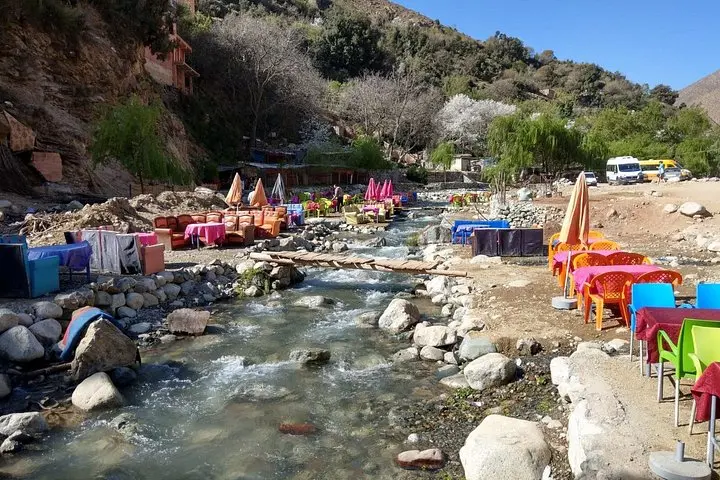
A cool morning leaves Marrakech behind and the air thins as the road climbs into the High Atlas. Olive terraces and ochre villages slide past the window; in the valley below, a river dares you to follow it upstream. By mid-morning the group will be under the terraces and the houses of the Ourika Valley, where stone tracks thread between vegetable gardens and mule paths.
Verified experiences and guided adventures in the surrounding area.
Operated by Sahara Revelation · Ourika Valley / Setti Fatma, Marrakesh-Safi
A cool morning leaves Marrakech behind and the air thins as the road climbs into the High Atlas. Olive terraces and ochre villages slide past the window; in the valley below, a river dares you to follow it upstream. By mid-morning the group will be under the terraces and the houses of the Ourika Valley, where stone tracks thread between vegetable gardens and mule paths.
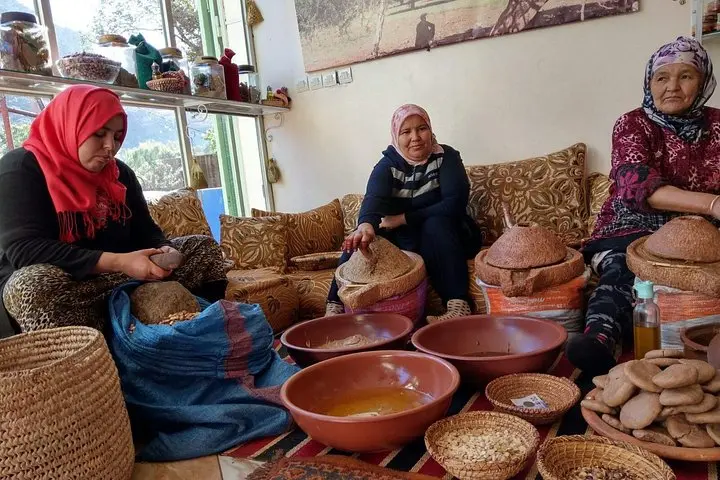
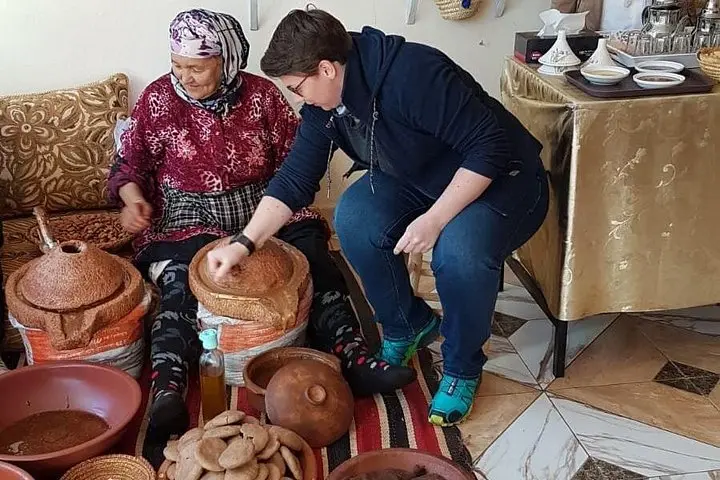
The valley has long been a lifeline for local Amazigh (Berber) communities: centuries-old terrace agriculture carved into steep slopes, a patchwork of irrigation channels fed from mountain springs. Geologically the Atlas is young and rugged—folded sedimentary rock giving way to granite spurs—so expect abrupt cliffs, boulder fields and narrow river chutes. Cultural exchanges are part of the route: a visit to a family home offers fresh bread, honey and olive oil and a window into daily mountain life.
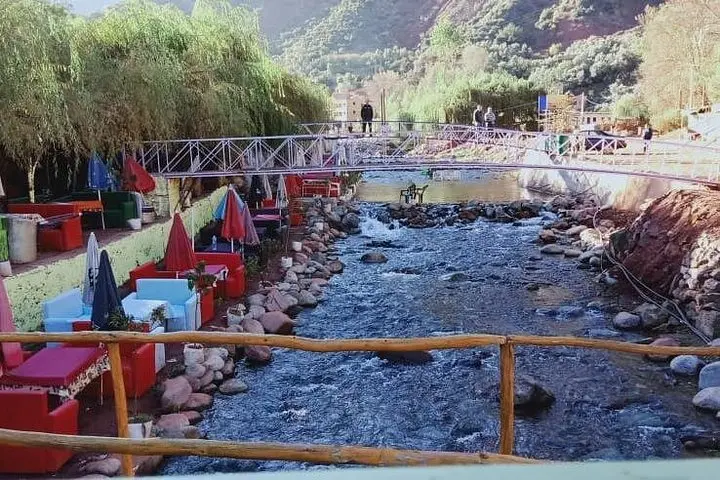
The hike to Setti Fatma’s waterfalls is an accessible scramble rather than technical climbing; it follows well-trodden trails and stepping stones, with several modest creek crossings and viewpoints of green terraces. After the hike, lunch is served at a mountainside restaurant with panoramic views before returning to Marrakech by late afternoon.
Practical guidance: bring sturdy shoes with good grip, layered clothing for variable mountain microclimates, and a reusable water bottle. Expect light walking but uneven ground; guide-led groups typically include basic safety briefings and local knowledge that make the valley manageable for most travelers.
The walk to the first waterfall is easy to moderate—firm paths with some uneven sections and short climbs; suitable for most travelers who can walk 1–2 miles on rough ground.
Yes, the tour includes pickup and drop-off from Marrakech accommodations by air-conditioned vehicle.
Yes—restaurants on the route generally offer vegetarian Moroccan dishes; notify the operator at booking for any special dietary needs.
Families are welcome; the itinerary notes stroller accessibility for short distances, but some trail sections are not suitable for very small children without a carrier.
Sahara Revelation operates guided outdoor trips and adventures with an emphasis on safety, stewardship, and memorable experiences.
A cool morning leaves Marrakech behind and the air thins as the road climbs into the High Atlas. Olive terraces and ochre villages slide past the window; in the valley below, a river dares you to follow it upstream. By mid-morning the group will be under the terraces and the houses of the Ourika Valley, where stone tracks thread between vegetable gardens and mule paths.
A cool morning leaves Marrakech behind and the air thins as the road climbs into the High Atlas. Olive terraces and ochre villages slide past the window; in the valley below, a river dares you to follow it upstream. By mid-morning the group will be under the terraces and the houses of the Ourika Valley, where stone tracks thread between vegetable gardens and mule paths.
The valley has long been a lifeline for local Amazigh (Berber) communities: centuries-old terrace agriculture carved into steep slopes, a patchwork of irrigation channels fed from mountain springs. Geologically the Atlas is young and rugged—folded sedimentary rock giving way to granite spurs—so expect abrupt cliffs, boulder fields and narrow river chutes. Cultural exchanges are part of the route: a visit to a family home offers fresh bread, honey and olive oil and a window into daily mountain life.
The hike to Setti Fatma’s waterfalls is an accessible scramble rather than technical climbing; it follows well-trodden trails and stepping stones, with several modest creek crossings and viewpoints of green terraces. After the hike, lunch is served at a mountainside restaurant with panoramic views before returning to Marrakech by late afternoon.
Practical guidance: bring sturdy shoes with good grip, layered clothing for variable mountain microclimates, and a reusable water bottle. Expect light walking but uneven ground; guide-led groups typically include basic safety briefings and local knowledge that make the valley manageable for most travelers.