THE ADVENTURE COLLECTIVE® · Independent discovery and booking for outdoor travel

Leave Marrakech for an eight‑hour loop up the Ourika Valley to argan co-ops, Tnine Ourika market and the river hamlet of Setti Fatma. Expect short hikes to a series of waterfalls, cool riverbanks for lunch, and vivid encounters with Amazigh village life.
Leave Marrakech for an eight‑hour loop up the Ourika Valley to argan co-ops, Tnine Ourika market and the river hamlet of Setti Fatma. Expect short hikes to a series of waterfalls, cool riverbanks for lunch, and vivid encounters with Amazigh village life.
You slide out of Marrakech’s heat and into a landscape where the road tightens toward the High Atlas, olive and argan trees lining the way like patient guards. The Ourika River grows louder as you approach Setti Fatma, and the air cools — the river seems to dare you closer as its channels spill through stacked terraces.
Verified experiences and guided adventures in the surrounding area.
Operated by Top Excursions-Italy · Marrakech, Marrakesh-Safi
You slide out of Marrakech’s heat and into a landscape where the road tightens toward the High Atlas, olive and argan trees lining the way like patient guards. The Ourika River grows louder as you approach Setti Fatma, and the air cools — the river seems to dare you closer as its channels spill through stacked terraces.
The valley is shaped by millennia of mountain uplift and seasonal waterflows; the High Atlas’ folded limestone and schist create the steep bowls that collect cascades. The people here are Amazigh (Berber) — villages of stone houses and irrigated terraces that reflect traditional farming and communal life. Tnine Ourika’s market day still follows an old rhythm, with vendors trading produce, textiles and local goat cheese.
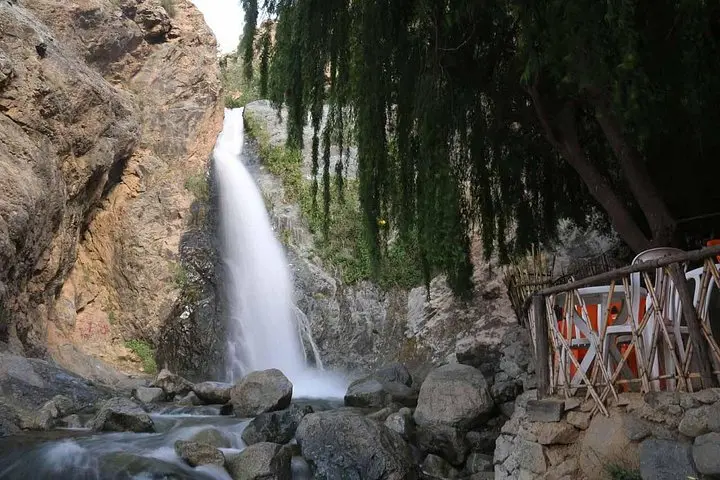
On this day trip you’ll stop at an argan cooperative to see traditional extraction, walk through cultivated terraces toward Timalizine, and, time allowing, hike from Setti Fatma up toward the seven waterfalls. Trails are rocky and at times steep; water shortens routes in winter and can make steps slick. Lunch beside the river is typically simple and local — bring cash.
Practical guidance: expect a full 8‑hour day with short guided walks totaling up to two hours of on‑foot time. Wear grippy shoes, carry 1–2 liters of water, sunscreen and small change for village purchases. If you prefer flexibility, choose the private option; shared vehicles keep costs down but limit customization. Early starts beat the heat and give crisper light for photos.
The valley drive is roughly 45–75 minutes each way depending on traffic and the exact pickup point in Marrakech.
Walks are short (up to two hours total) over uneven terrain; a licensed guide is available on booked guided tours, while drivers on shared tours may not lead hikes.
Yes — the route suits families and older travelers if everyone can manage uneven ground; private tours allow a slower pace when needed.
There’s no formal national-park permit for the waterfalls, but some services like mule rides or guided cascades may charge a small local fee; bring cash.
Top Excursions-Italy operates guided outdoor trips and adventures with an emphasis on safety, stewardship, and memorable experiences.
You slide out of Marrakech’s heat and into a landscape where the road tightens toward the High Atlas, olive and argan trees lining the way like patient guards. The Ourika River grows louder as you approach Setti Fatma, and the air cools — the river seems to dare you closer as its channels spill through stacked terraces.
You slide out of Marrakech’s heat and into a landscape where the road tightens toward the High Atlas, olive and argan trees lining the way like patient guards. The Ourika River grows louder as you approach Setti Fatma, and the air cools — the river seems to dare you closer as its channels spill through stacked terraces.
The valley is shaped by millennia of mountain uplift and seasonal waterflows; the High Atlas’ folded limestone and schist create the steep bowls that collect cascades. The people here are Amazigh (Berber) — villages of stone houses and irrigated terraces that reflect traditional farming and communal life. Tnine Ourika’s market day still follows an old rhythm, with vendors trading produce, textiles and local goat cheese.
On this day trip you’ll stop at an argan cooperative to see traditional extraction, walk through cultivated terraces toward Timalizine, and, time allowing, hike from Setti Fatma up toward the seven waterfalls. Trails are rocky and at times steep; water shortens routes in winter and can make steps slick. Lunch beside the river is typically simple and local — bring cash.
Practical guidance: expect a full 8‑hour day with short guided walks totaling up to two hours of on‑foot time. Wear grippy shoes, carry 1–2 liters of water, sunscreen and small change for village purchases. If you prefer flexibility, choose the private option; shared vehicles keep costs down but limit customization. Early starts beat the heat and give crisper light for photos.