THE ADVENTURE COLLECTIVE® · Independent discovery and booking for outdoor travel

Escape Marrakech for a full-day through the Ourika Valley: vibrant Berber markets, argan cooperatives, and a riverside hike to the cascading falls of Setti Fatma. This accessible day trip mixes cultural stops with a moderate hike to cool mountain water.
Escape Marrakech for a full-day through the Ourika Valley: vibrant Berber markets, argan cooperatives, and a riverside hike to the cascading falls of Setti Fatma. This accessible day trip mixes cultural stops with a moderate hike to cool mountain water.
You turn off the ring road and the city's heat thins to a dry, fragrant wind that pushes you toward the High Atlas. The road drops into the Ourika Valley, olive terraces tilting toward the river and stone villages clinging to sunbaked slopes. By midmorning you’re moving through Tnine Ourika’s market stalls—donkeys and woven baskets, calls for spices and fabric—then onto a short village walk that threads cultivated terraces and mule tracks toward Timalizine.
Verified experiences and guided adventures in the surrounding area.
Operated by ItalyBesTours · Setti Fatma, Marrakech-Safi
You turn off the ring road and the city's heat thins to a dry, fragrant wind that pushes you toward the High Atlas. The road drops into the Ourika Valley, olive terraces tilting toward the river and stone villages clinging to sunbaked slopes. By midmorning you’re moving through Tnine Ourika’s market stalls—donkeys and woven baskets, calls for spices and fabric—then onto a short village walk that threads cultivated terraces and mule tracks toward Timalizine.
The valley is a living snapshot of Amazigh (Berber) life: weekly souks, argan cooperatives where women press oil by hand, and rivers carved through Pliocene and Miocene sediments uplifted when Africa met Eurasia. Setti Fatma marks the paved road’s end; beyond it a network of trails climbs to a series of seven waterfalls. The geology is mostly schist and sandstone, with quick-changing microclimates as elevation rises toward the High Atlas.
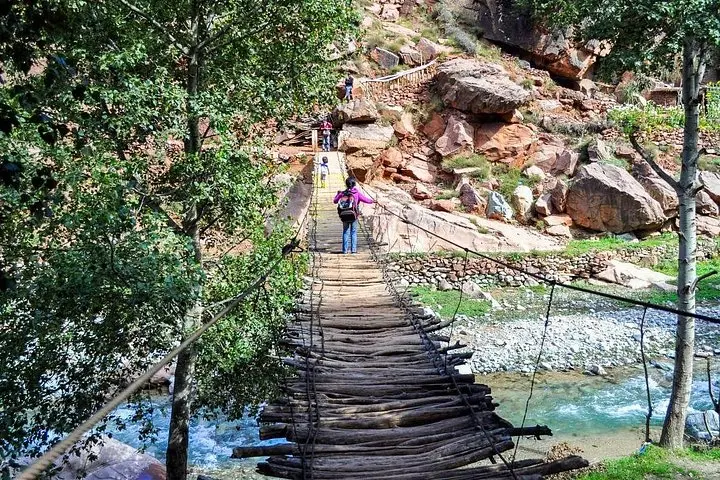
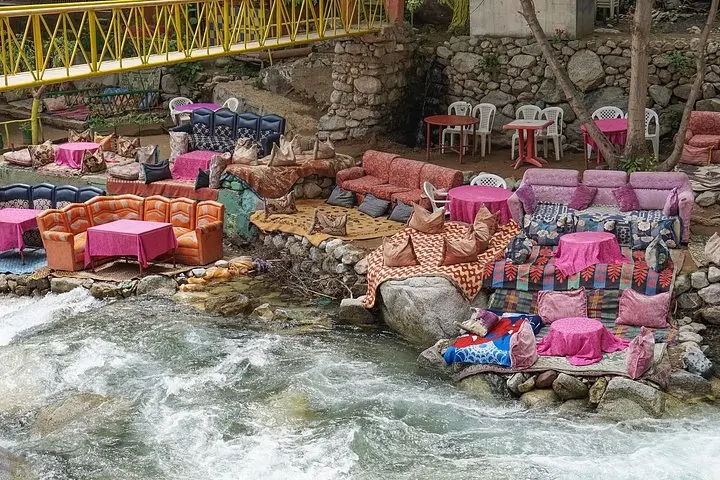
Expect uneven stone paths, brief steep pitch sections to reach cascades, and cool river crossings in season. Lunch is commonly taken at a riverside restaurant in Setti Fatma (own expense). Photography stops are frequent; guides and drivers usually know the best light.
Practical tips: go early to avoid crowds, wear sturdy shoes with grip, carry 1–2 liters of water, and bring a light layer—the valley can be 10°C cooler than Marrakech. Respect local customs at markets and support argan cooperatives directly. With a mix of easy cultural stops and a moderate, scenic walk, this route delivers a compact look at Atlas mountain life and running water that seems to dare you onward.
The walking to reach the main cascades is typically 1–2 hours round trip depending on pace and which falls you target; some visitors spend longer exploring up-valley.
Admission to the valley trails is generally free; lunch at Setti Fatma restaurants is at your own expense and any guided-entry fees should be confirmed at booking.
Yes—many sections are family-friendly, but expect uneven terrain and short steep segments that may be challenging for very young children or those with mobility limits.
Yes—stops often include visits to women's argan cooperatives where you can buy products directly; buying locally supports the community and sustainable production.
ItalyBesTours operates guided outdoor trips and adventures with an emphasis on safety, stewardship, and memorable experiences.
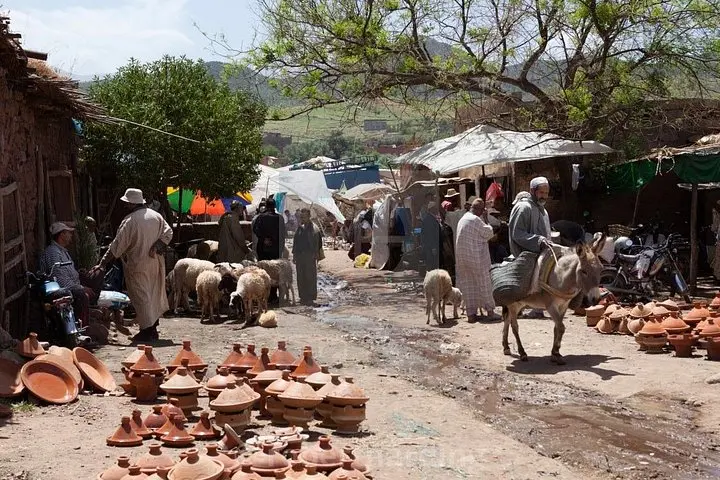
You turn off the ring road and the city's heat thins to a dry, fragrant wind that pushes you toward the High Atlas. The road drops into the Ourika Valley, olive terraces tilting toward the river and stone villages clinging to sunbaked slopes. By midmorning you’re moving through Tnine Ourika’s market stalls—donkeys and woven baskets, calls for spices and fabric—then onto a short village walk that threads cultivated terraces and mule tracks toward Timalizine.
You turn off the ring road and the city's heat thins to a dry, fragrant wind that pushes you toward the High Atlas. The road drops into the Ourika Valley, olive terraces tilting toward the river and stone villages clinging to sunbaked slopes. By midmorning you’re moving through Tnine Ourika’s market stalls—donkeys and woven baskets, calls for spices and fabric—then onto a short village walk that threads cultivated terraces and mule tracks toward Timalizine.
The valley is a living snapshot of Amazigh (Berber) life: weekly souks, argan cooperatives where women press oil by hand, and rivers carved through Pliocene and Miocene sediments uplifted when Africa met Eurasia. Setti Fatma marks the paved road’s end; beyond it a network of trails climbs to a series of seven waterfalls. The geology is mostly schist and sandstone, with quick-changing microclimates as elevation rises toward the High Atlas.
Expect uneven stone paths, brief steep pitch sections to reach cascades, and cool river crossings in season. Lunch is commonly taken at a riverside restaurant in Setti Fatma (own expense). Photography stops are frequent; guides and drivers usually know the best light.
Practical tips: go early to avoid crowds, wear sturdy shoes with grip, carry 1–2 liters of water, and bring a light layer—the valley can be 10°C cooler than Marrakech. Respect local customs at markets and support argan cooperatives directly. With a mix of easy cultural stops and a moderate, scenic walk, this route delivers a compact look at Atlas mountain life and running water that seems to dare you onward.