THE ADVENTURE COLLECTIVE® · Independent discovery and booking for outdoor travel

Escape Marrakech for a full day in the Ourika Valley: a river-cut High Atlas landscape, short waterfall hikes, and authentic Berber village stops. This accessible day trip mixes moderate walking with cultural encounters and valley views.
Escape Marrakech for a full day in the Ourika Valley: a river-cut High Atlas landscape, short waterfall hikes, and authentic Berber village stops. This accessible day trip mixes moderate walking with cultural encounters and valley views.
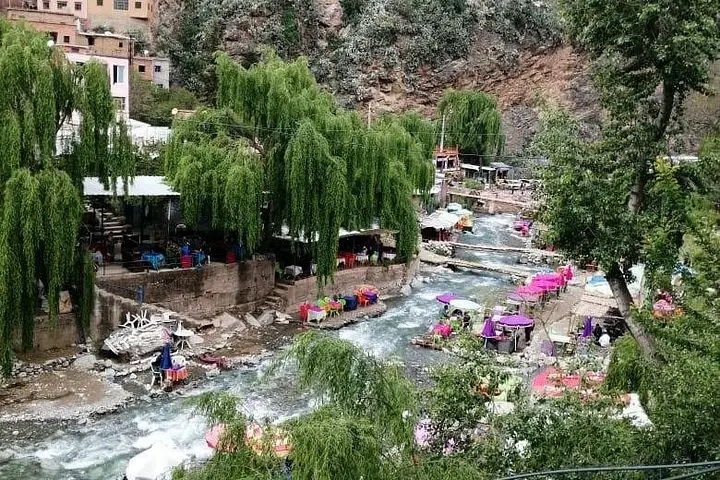
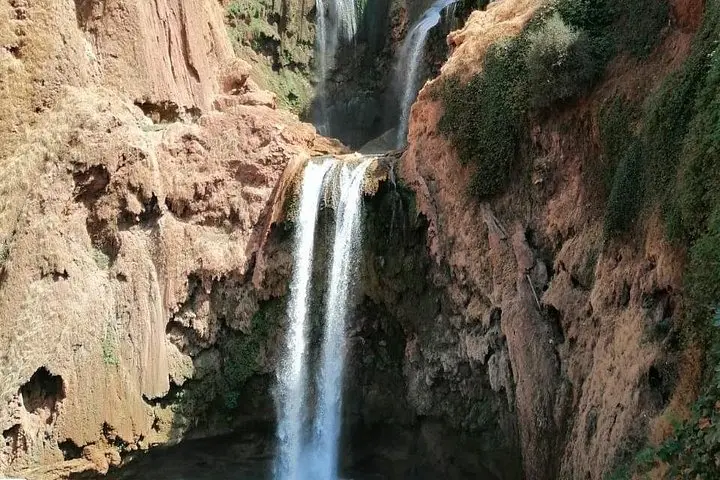
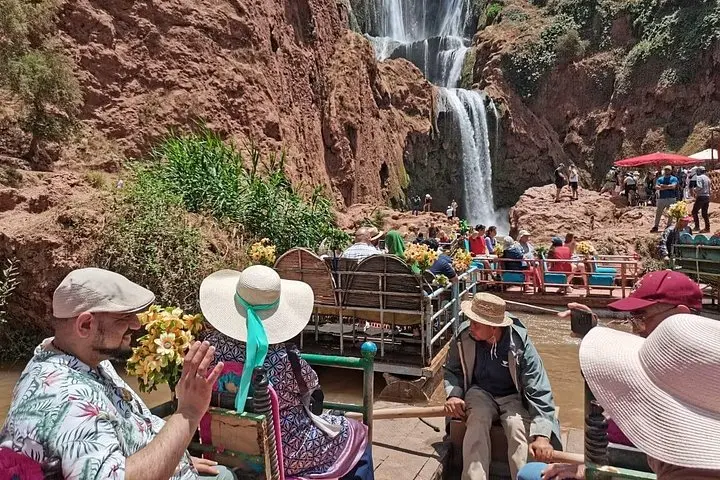
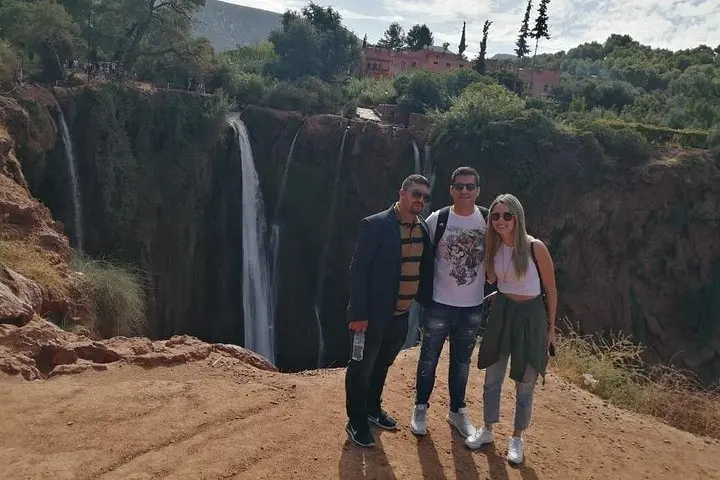
You step out of Marrakech's morning haze and the road climbs, unspooling toward the High Atlas. Olive terraces and almond trees lean toward the valley; the Ourika River hurries below, daring you to keep pace. By midmorning you arrive in the village of Setti Fatma and follow a trail that threads through walnut groves toward a series of seven small waterfalls.
Verified experiences and guided adventures in the surrounding area.
Operated by Marrakech desert tour · Ourika Valley, Marrakesh-Safi
You step out of Marrakech's morning haze and the road climbs, unspooling toward the High Atlas. Olive terraces and almond trees lean toward the valley; the Ourika River hurries below, daring you to keep pace. By midmorning you arrive in the village of Setti Fatma and follow a trail that threads through walnut groves toward a series of seven small waterfalls.
The Ourika Valley is carved from ancient volcanic and sedimentary folds—the ridgelines show layers of folded rock and alluvial fans where mountain streams slow. The valley has been lived in by Berber communities for centuries; stone houses, terraced fields and simple local cafes reflect a continuity of mountain life and shared water management. Expect to encounter farmers, traditional argan presses, and—if timing is right—women selling freshly pressed orange juice beside the path.
The hike itself is a mix of packed dirt, rocky steps and switchbacks with short, steeper sections; total walking time can be a few hours depending on how many cascades you stop at. Bring a light daypack, water and sturdy shoes—the river invites a cooling dip but currents can be strong. Lunch is usually at a family-run restaurant with valley views; plan for cash payments and modest portions.
Practical notes: start early to avoid afternoon heat and tour buses, wear layers as temperatures swing, and respect local customs when photographing people. The trip delivers a compact taste of Atlas geology, daily mountain life and accessible trails—perfect for a full day out of Marrakech.
The two-way drive typically takes about 45–75 minutes each way depending on traffic and which valley access point the tour uses.
Short walks to the nearest cascades are family-friendly, but watch children on narrow trails and slippery rocks; bring supervision and suitable footwear.
Many people wade or swim in calmer pools, but water is cold and currents can be strong—exercise caution and avoid swimming after heavy rain.
Lunch is usually available at local restaurants but not always included; bring snacks or inform your operator of dietary needs in advance.
Marrakech desert tour operates guided outdoor trips and adventures with an emphasis on safety, stewardship, and memorable experiences.
You step out of Marrakech's morning haze and the road climbs, unspooling toward the High Atlas. Olive terraces and almond trees lean toward the valley; the Ourika River hurries below, daring you to keep pace. By midmorning you arrive in the village of Setti Fatma and follow a trail that threads through walnut groves toward a series of seven small waterfalls.
You step out of Marrakech's morning haze and the road climbs, unspooling toward the High Atlas. Olive terraces and almond trees lean toward the valley; the Ourika River hurries below, daring you to keep pace. By midmorning you arrive in the village of Setti Fatma and follow a trail that threads through walnut groves toward a series of seven small waterfalls.
The Ourika Valley is carved from ancient volcanic and sedimentary folds—the ridgelines show layers of folded rock and alluvial fans where mountain streams slow. The valley has been lived in by Berber communities for centuries; stone houses, terraced fields and simple local cafes reflect a continuity of mountain life and shared water management. Expect to encounter farmers, traditional argan presses, and—if timing is right—women selling freshly pressed orange juice beside the path.
The hike itself is a mix of packed dirt, rocky steps and switchbacks with short, steeper sections; total walking time can be a few hours depending on how many cascades you stop at. Bring a light daypack, water and sturdy shoes—the river invites a cooling dip but currents can be strong. Lunch is usually at a family-run restaurant with valley views; plan for cash payments and modest portions.
Practical notes: start early to avoid afternoon heat and tour buses, wear layers as temperatures swing, and respect local customs when photographing people. The trip delivers a compact taste of Atlas geology, daily mountain life and accessible trails—perfect for a full day out of Marrakech.