THE ADVENTURE COLLECTIVE® · Independent discovery and booking for outdoor travel

An accessible full-day escape from Marrakech into the High Atlas foothills—visit Berber villages, small cooperatives, terraced farms and the Setti Fatma waterfalls. Expect 7–8 hours, short uneven hikes, and rich cultural stops.
An accessible full-day escape from Marrakech into the High Atlas foothills—visit Berber villages, small cooperatives, terraced farms and the Setti Fatma waterfalls. Expect 7–8 hours, short uneven hikes, and rich cultural stops.
You step out of Marrakech’s dust and into a lane where the air cools and the Ourika River dares you forward, riffling over river stones and terraced fields. The road climbs through walnut and poplar, then opens to views of ochre and green rock stacked like a geological storybook. Small, whitewashed Berber homes punctuate hillsides; children wave from courtyards where herb gardens scent the air.
Verified experiences and guided adventures in the surrounding area.
Operated by Arwa-Travel · Marrakech, Marrakech-Safi
You step out of Marrakech’s dust and into a lane where the air cools and the Ourika River dares you forward, riffling over river stones and terraced fields. The road climbs through walnut and poplar, then opens to views of ochre and green rock stacked like a geological storybook. Small, whitewashed Berber homes punctuate hillsides; children wave from courtyards where herb gardens scent the air.
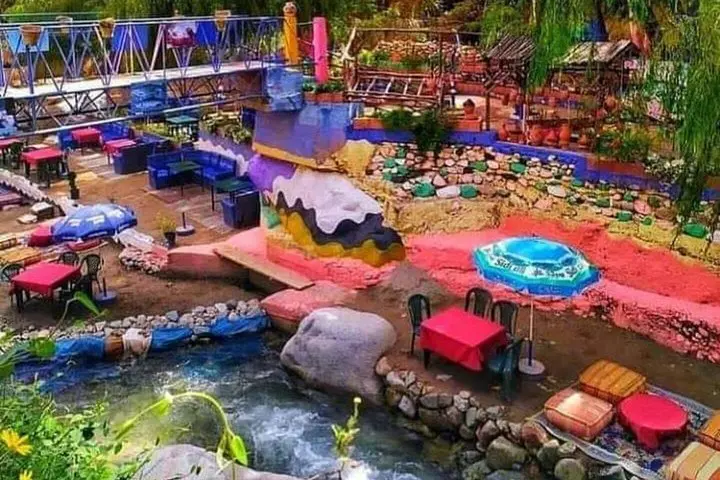
The valley has long been a seasonal agricultural corridor for Amazigh (Berber) communities, its terraces cut into slopes to capture scarce water. Geologically the valley marks the foothills of the High Atlas—folded limestone and colored schists give the slopes their shifting hues. Local culture centers on family-run argan and herb cooperatives, and simple riverside restaurants that serve tagine and mint tea with mountain views.
Practically, expect a full 7–8 hour day: about 60 km from Marrakech each way by air-conditioned minivan or 4x4, with short walks to viewpoints and the multi-tiered Setti Fatma waterfalls. Trails are uneven and can be muddy after rain; comfortable shoes and steady footing matter more than technical gear. Bring cash for cooperatives and small eateries, sun protection, and a refillable water bottle. Morning departures beat the heat and crowds; autumn and spring offer the best balance of weather and water flow. Guides included on typical tours provide translation and local insight—listen when they steer you toward quieter paths or a family-run herb garden. The Ourika day trip is part nature, part culture: it rewards curiosity, patient steps, and respect for a landscape still shaped by people and seasons.
Expect about 60 km each way and a total tour length of roughly 7–8 hours including pickups, stops, and short walks.
The walks to the main falls are short but uneven; they’re suitable for most people who can handle stairs and rocky paths—no technical climbing required.
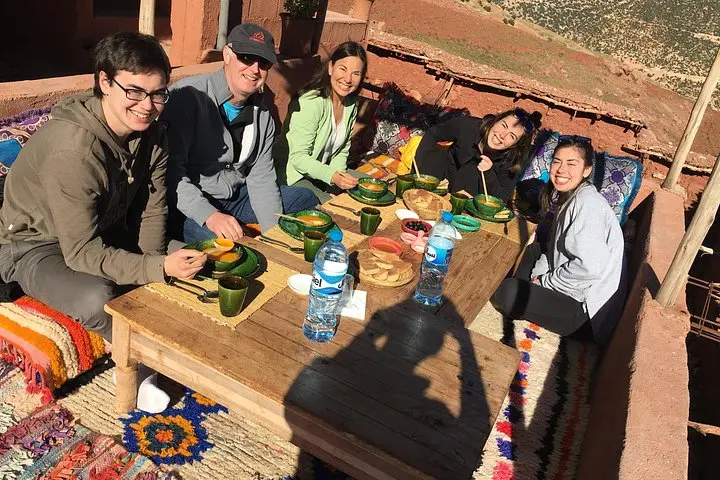
Most day tours include transport in an air-conditioned minivan or 4x4, bottled water, and a traditional riverside lunch; confirm vegetarian options at booking.
Yes; many operators provide infant seats and the itinerary is family-friendly, though parents should be prepared for vehicle transfers and brief walks.
Arwa-Travel operates guided outdoor trips and adventures with an emphasis on safety, stewardship, and memorable experiences.
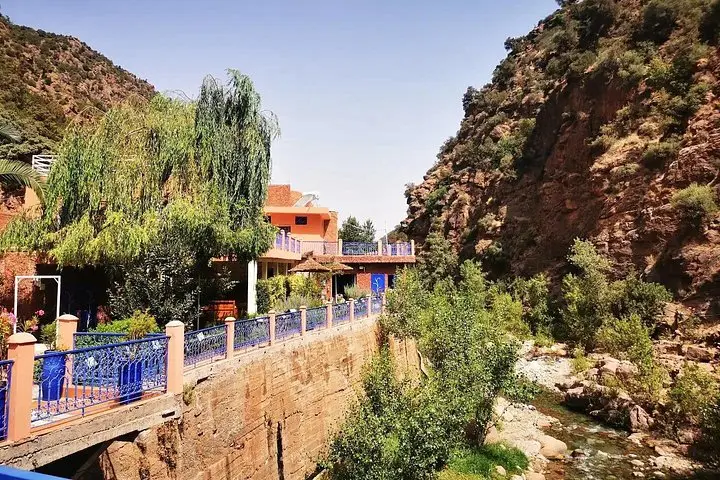
You step out of Marrakech’s dust and into a lane where the air cools and the Ourika River dares you forward, riffling over river stones and terraced fields. The road climbs through walnut and poplar, then opens to views of ochre and green rock stacked like a geological storybook. Small, whitewashed Berber homes punctuate hillsides; children wave from courtyards where herb gardens scent the air.
You step out of Marrakech’s dust and into a lane where the air cools and the Ourika River dares you forward, riffling over river stones and terraced fields. The road climbs through walnut and poplar, then opens to views of ochre and green rock stacked like a geological storybook. Small, whitewashed Berber homes punctuate hillsides; children wave from courtyards where herb gardens scent the air.
The valley has long been a seasonal agricultural corridor for Amazigh (Berber) communities, its terraces cut into slopes to capture scarce water. Geologically the valley marks the foothills of the High Atlas—folded limestone and colored schists give the slopes their shifting hues. Local culture centers on family-run argan and herb cooperatives, and simple riverside restaurants that serve tagine and mint tea with mountain views.
Practically, expect a full 7–8 hour day: about 60 km from Marrakech each way by air-conditioned minivan or 4x4, with short walks to viewpoints and the multi-tiered Setti Fatma waterfalls. Trails are uneven and can be muddy after rain; comfortable shoes and steady footing matter more than technical gear. Bring cash for cooperatives and small eateries, sun protection, and a refillable water bottle. Morning departures beat the heat and crowds; autumn and spring offer the best balance of weather and water flow. Guides included on typical tours provide translation and local insight—listen when they steer you toward quieter paths or a family-run herb garden. The Ourika day trip is part nature, part culture: it rewards curiosity, patient steps, and respect for a landscape still shaped by people and seasons.