THE ADVENTURE COLLECTIVE® · Independent discovery and booking for outdoor travel

Escape Marrakech for an 8–10 hour excursion into the Ourika Valley to visit Berber villages, browse river-side souks, and reach the valley’s lower waterfalls. This practical day trip pairs cultural stops with easy walks and local pottery demonstrations.
Escape Marrakech for an 8–10 hour excursion into the Ourika Valley to visit Berber villages, browse river-side souks, and reach the valley’s lower waterfalls. This practical day trip pairs cultural stops with easy walks and local pottery demonstrations.
The minivan drops you at the edge of a valley where the air cools and the river dares you to follow it upstream. Stone hamlets sit like punctuation against the foot of the High Atlas; here, terraces and olive trees climb old slopes and pottery spills blue and ochre onto shop fronts.
Verified experiences and guided adventures in the surrounding area.
Operated by Marrakeh City Breaks · Ourika, Marrakech-Safi
The minivan drops you at the edge of a valley where the air cools and the river dares you to follow it upstream. Stone hamlets sit like punctuation against the foot of the High Atlas; here, terraces and olive trees climb old slopes and pottery spills blue and ochre onto shop fronts.
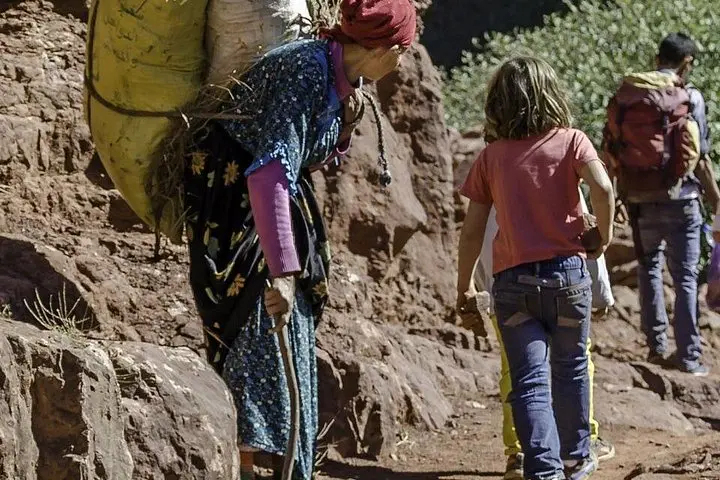
The Ourika Valley runs south from Marrakech along the Ourika River, carved through granite and schist by winter storms and spring melt. For centuries the valley has been home to Amazigh (Berber) communities whose markets and pottery traditions remain central to local life. Small souks still serve as meeting places for villagers — a practical, social rhythm as much as commerce.
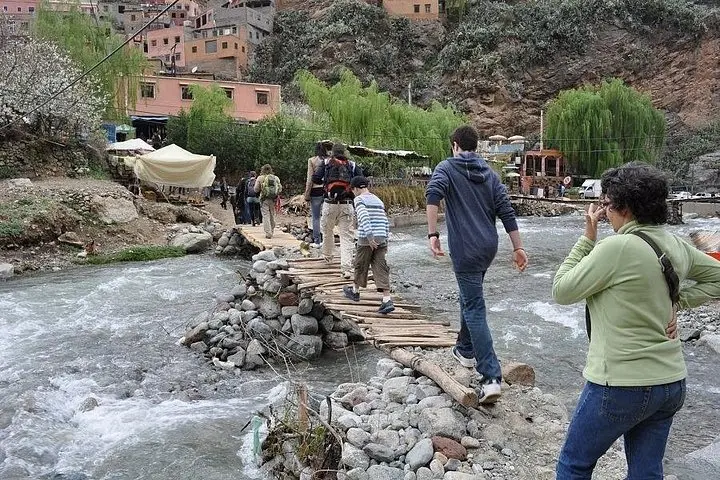
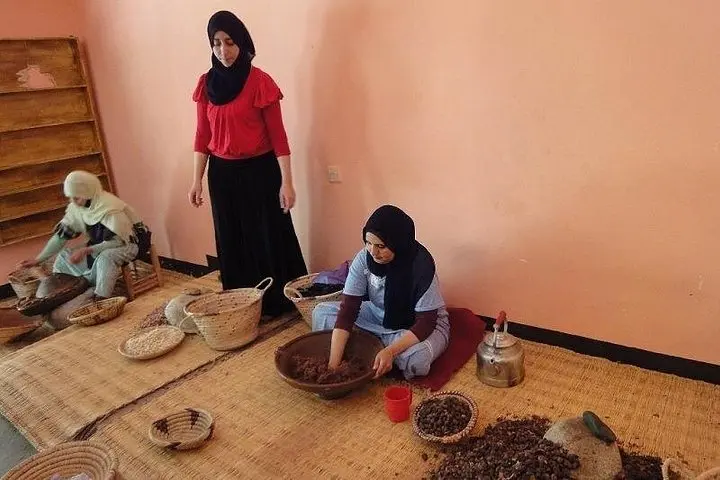
Expect short walks between viewpoints and village streets rather than technical hiking: Setti Fatma’s lower waterfalls are the most visited, while smaller cascades and pottery workshops lie higher and quieter. Birdsong and the sharp calls of mountain birds fill ravines; locals may invite conversation over mint tea while demonstrating hand-thrown pots.
Practical guidance: travel light and leave valuables on the van; mornings mean softer light and smaller crowds. Wear grippy shoes for wet rocks near falls; the riverbanks can be slippery after rain. Bring cash for local purchases and a refillable bottle — village taps can supply potable water but are intermittent. Most operators offer hotel pickup in Marrakech, and itineraries typically run eight to ten hours for a full-day excursion (shorter half-day options exist). Respect private property, stay on visible paths, and support small cooperatives to keep tourism benefits local.
Yes — most group excursions include pickup and drop-off from central Marrakech hotels and riads; confirm your pickup point when booking.
Yes — the excursion is rated easy and accessible, with many operators offering stroller- and wheelchair-accessible transport, though some waterfall routes include uneven steps.
Yes — village souks and small pottery workshops sell handmade ceramics, argan oil, and textiles; bring cash and be prepared to bargain politely.
Visiting the lower falls involves short, steep sections and some stone steps; it's non-technical but can be slippery after rain, so take care.
Marrakeh City Breaks operates guided outdoor trips and adventures with an emphasis on safety, stewardship, and memorable experiences.
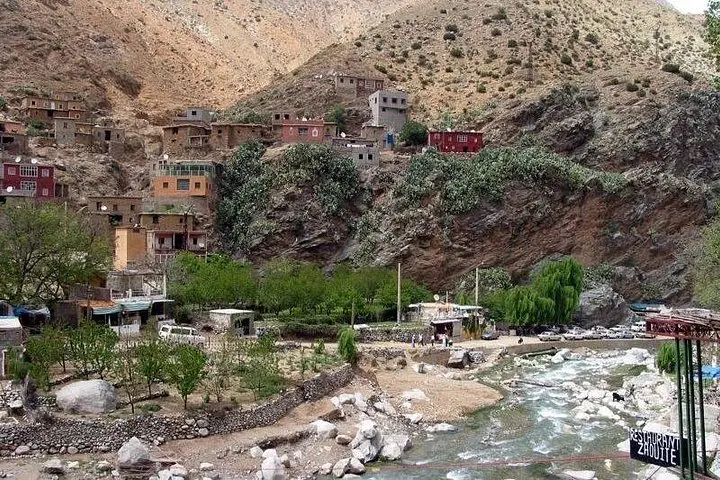
The minivan drops you at the edge of a valley where the air cools and the river dares you to follow it upstream. Stone hamlets sit like punctuation against the foot of the High Atlas; here, terraces and olive trees climb old slopes and pottery spills blue and ochre onto shop fronts.
The minivan drops you at the edge of a valley where the air cools and the river dares you to follow it upstream. Stone hamlets sit like punctuation against the foot of the High Atlas; here, terraces and olive trees climb old slopes and pottery spills blue and ochre onto shop fronts.
The Ourika Valley runs south from Marrakech along the Ourika River, carved through granite and schist by winter storms and spring melt. For centuries the valley has been home to Amazigh (Berber) communities whose markets and pottery traditions remain central to local life. Small souks still serve as meeting places for villagers — a practical, social rhythm as much as commerce.
Expect short walks between viewpoints and village streets rather than technical hiking: Setti Fatma’s lower waterfalls are the most visited, while smaller cascades and pottery workshops lie higher and quieter. Birdsong and the sharp calls of mountain birds fill ravines; locals may invite conversation over mint tea while demonstrating hand-thrown pots.
Practical guidance: travel light and leave valuables on the van; mornings mean softer light and smaller crowds. Wear grippy shoes for wet rocks near falls; the riverbanks can be slippery after rain. Bring cash for local purchases and a refillable bottle — village taps can supply potable water but are intermittent. Most operators offer hotel pickup in Marrakech, and itineraries typically run eight to ten hours for a full-day excursion (shorter half-day options exist). Respect private property, stay on visible paths, and support small cooperatives to keep tourism benefits local.