THE ADVENTURE COLLECTIVE® · Independent discovery and booking for outdoor travel

Escape Marrakech for a day in the High Atlas: hike to Setti Fatma’s seven waterfalls, visit saffron fields and argan cooperatives, and learn how Berber communities have shaped the valley. Practical tips help you prepare for the trail and local customs.
Escape Marrakech for a day in the High Atlas: hike to Setti Fatma’s seven waterfalls, visit saffron fields and argan cooperatives, and learn how Berber communities have shaped the valley. Practical tips help you prepare for the trail and local customs.
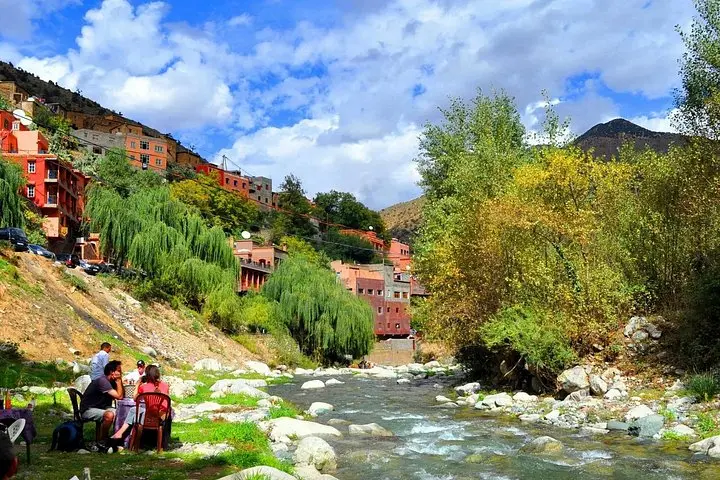
Morning light spills across the High Atlas as a minivan eases out of Marrakech and climbs toward the Ourika Valley. Olive groves thin into terraced fields, and the Ourika River threads the valley floor, at times murmuring and at times daring you to follow. By the time the van drops you in Setti Fatma, the mountain air feels cooler and the trailhead hums with the steady rhythm of local life.
Verified experiences and guided adventures in the surrounding area.
Operated by Atlas Trips Tours · Setti Fatma (Ourika Valley), Marrakech-Safi
Morning light spills across the High Atlas as a minivan eases out of Marrakech and climbs toward the Ourika Valley. Olive groves thin into terraced fields, and the Ourika River threads the valley floor, at times murmuring and at times daring you to follow. By the time the van drops you in Setti Fatma, the mountain air feels cooler and the trailhead hums with the steady rhythm of local life.
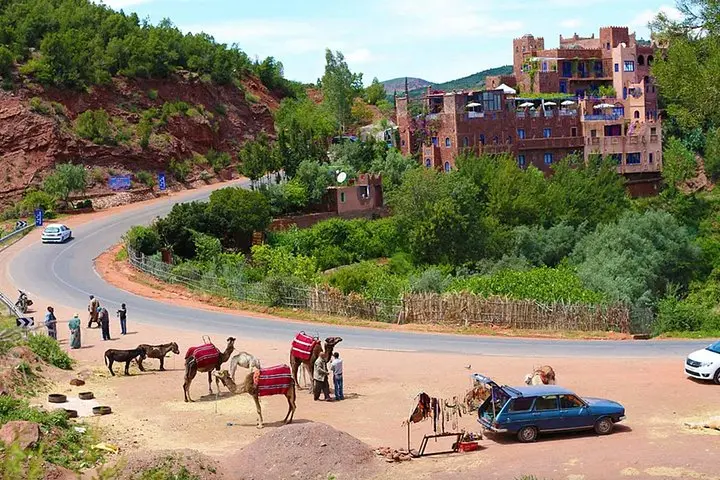
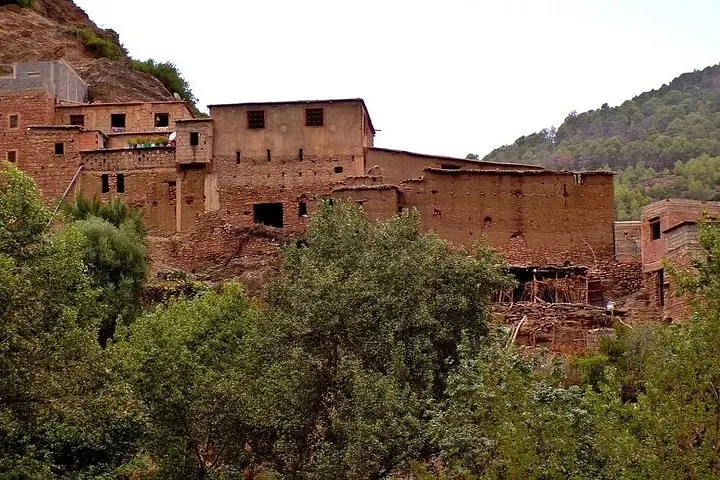
This valley has long been shaped by human hands—Berber families have farmed its slopes for centuries, carving terraces and tending saffron, olives, and citrus. Geologically, the High Atlas is young and rugged, folded by tectonic forces that lift granite and shale into sharp ridgelines; the waterfalls themselves owe their existence to resistant rock ledges that force the river into cascades.
Culturally, the Ourika is as much a living landscape as a destination: small cooperatives press argan oil by hand, and Le Jardin du Safran preserves saffron cultivation techniques that link land and cuisine.
Practical guidance: the hike to the seven waterfalls is unpaved and can be steep in sections—expect 2–3 hours round-trip for the main cascade route, more if you explore higher tiers. Wear grippy footwear; bring 1–2 liters of water, sun protection, and cash for small purchases at local stalls and cooperatives. Start early to avoid midday heat and busier groups; a local guide can smooth crossing slippery steps and interpret plant uses.
The Ourika Valley is accessible as a long day trip from Marrakech and offers a blend of geology, riverine energy, and living Berber culture—an easily reachable stretch of mountain wilderness with practical comforts close at hand.
The main walk to the popular cascades takes about 2–3 hours round-trip depending on pace and how many upper falls you visit; the full tour runs about 6–7 hours including drives and stops.
No—many visitors hike the trail independently, but a local guide adds safety on slippery sections and cultural context about plants and village life.
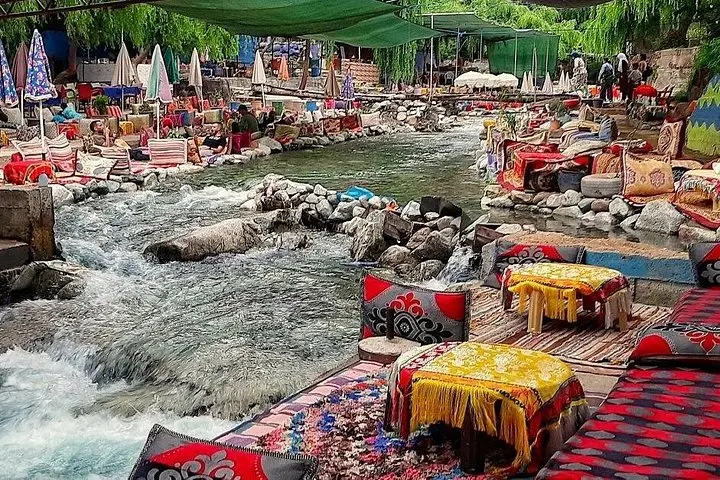
Yes—small riverside restaurants and stalls in Setti Fatma sell tajine, snacks, and bottled water, though cash is preferred.
Families with older, steady walkers can do the hike; keep younger children close near water and on steep steps.
Atlas Trips Tours operates guided outdoor trips and adventures with an emphasis on safety, stewardship, and memorable experiences.
Morning light spills across the High Atlas as a minivan eases out of Marrakech and climbs toward the Ourika Valley. Olive groves thin into terraced fields, and the Ourika River threads the valley floor, at times murmuring and at times daring you to follow. By the time the van drops you in Setti Fatma, the mountain air feels cooler and the trailhead hums with the steady rhythm of local life.
Morning light spills across the High Atlas as a minivan eases out of Marrakech and climbs toward the Ourika Valley. Olive groves thin into terraced fields, and the Ourika River threads the valley floor, at times murmuring and at times daring you to follow. By the time the van drops you in Setti Fatma, the mountain air feels cooler and the trailhead hums with the steady rhythm of local life.
This valley has long been shaped by human hands—Berber families have farmed its slopes for centuries, carving terraces and tending saffron, olives, and citrus. Geologically, the High Atlas is young and rugged, folded by tectonic forces that lift granite and shale into sharp ridgelines; the waterfalls themselves owe their existence to resistant rock ledges that force the river into cascades.
Culturally, the Ourika is as much a living landscape as a destination: small cooperatives press argan oil by hand, and Le Jardin du Safran preserves saffron cultivation techniques that link land and cuisine.
Practical guidance: the hike to the seven waterfalls is unpaved and can be steep in sections—expect 2–3 hours round-trip for the main cascade route, more if you explore higher tiers. Wear grippy footwear; bring 1–2 liters of water, sun protection, and cash for small purchases at local stalls and cooperatives. Start early to avoid midday heat and busier groups; a local guide can smooth crossing slippery steps and interpret plant uses.
The Ourika Valley is accessible as a long day trip from Marrakech and offers a blend of geology, riverine energy, and living Berber culture—an easily reachable stretch of mountain wilderness with practical comforts close at hand.