THE ADVENTURE COLLECTIVE® · Independent discovery and booking for outdoor travel
Escape Marrakech for a day in the Ourika Valley: riverside walks, tiered waterfalls, a family-style lunch and a short camel ride amid Berber villages and High Atlas foothills.
Escape Marrakech for a day in the Ourika Valley: riverside walks, tiered waterfalls, a family-style lunch and a short camel ride amid Berber villages and High Atlas foothills.
You leave the ochre walls of Marrakech behind and the air changes—cooler, scented with cedar and thyme—while the road climbs toward the High Atlas. The Ourika River threads the valley below, carving a green corridor through terraced fields and flat-roofed Berber homes. Camels stand patient at a hamlet; waterfalls call from higher slopes.
Verified experiences and guided adventures in the surrounding area.
Operated by Solvoyages Maroc · Ourika, Marrakech-Safi
You leave the ochre walls of Marrakech behind and the air changes—cooler, scented with cedar and thyme—while the road climbs toward the High Atlas. The Ourika River threads the valley below, carving a green corridor through terraced fields and flat-roofed Berber homes. Camels stand patient at a hamlet; waterfalls call from higher slopes.
The valley has long been a summer refuge for Berber communities, its streams fed by snowmelt from peaks that rise above 2,000 m. Geologically the area mixes schist and granite with alluvial terraces along the river, creating easy walking paths and sudden drops where cascades form. Locally run cafés and family homes open for tagine and mint tea, and small markets sell spices and handwoven rugs—practical reminders that this is lived-in countryside, not a theme park.
Expect a balanced day: paved approach roads give way to riverside tracks and stepped trails toward Setti Fatma’s tiered falls. The included camel ride is brief and flat—more experiential than athletic—while optional short hikes require stable footwear for rocky, occasionally slippery surfaces. Guides often point out Barbary macaques and raptors circling above; keep distance and avoid feeding wildlife.
Practical tips: schedule the walk for morning or late afternoon to avoid midday heat, carry at least 1.5 L of water, and bring sun protection and a light layer for mountain breezes. If you plan to visit family-run homes, have small notes of local currency ready for purchases and tips. The trip is accessible from Marrakech by air-conditioned vehicle and makes a compact, 6–8 hour escape into Atlas valley life.
Pickup and return typically make the day 6–8 hours total, with around 45–60 minutes driving each way depending on traffic.
Yes—rides are short and on flat terrain, but children should be supervised and use provided infant seats where available.
Many operators include a stop at a family home or café for lunch; etiquette is to ask before photographing and to tip modestly if you eat or buy goods.
Main roads and some riverside areas are accessible, but waterfalls and steeper paths are not; confirm accessibility needs with the operator in advance.
Solvoyages Maroc operates guided outdoor trips and adventures with an emphasis on safety, stewardship, and memorable experiences.
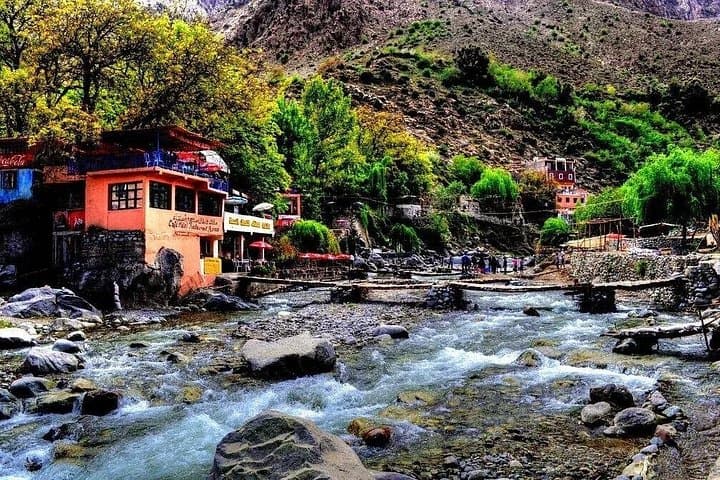
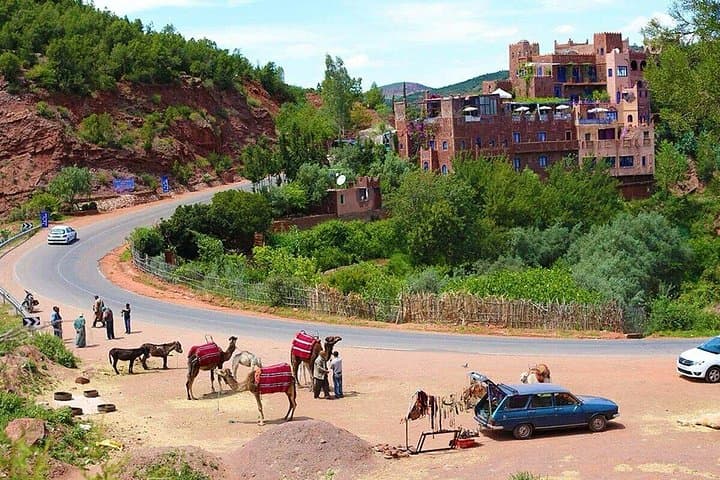
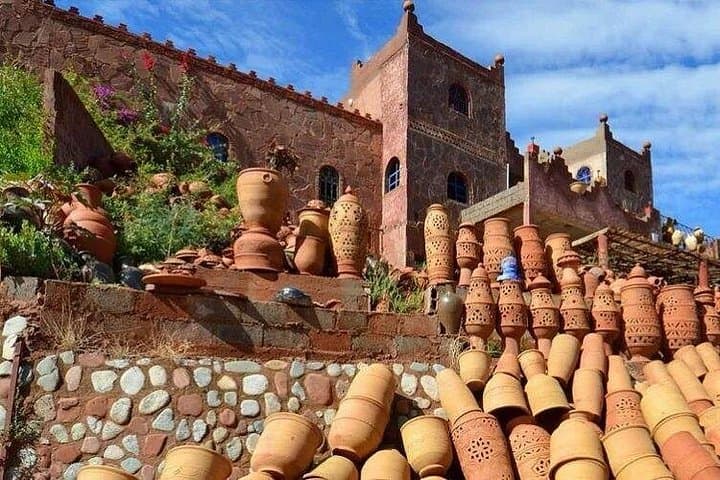
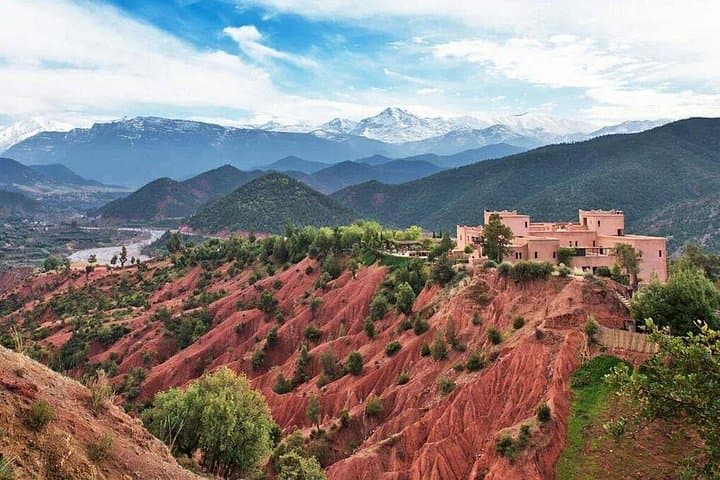
You leave the ochre walls of Marrakech behind and the air changes—cooler, scented with cedar and thyme—while the road climbs toward the High Atlas. The Ourika River threads the valley below, carving a green corridor through terraced fields and flat-roofed Berber homes. Camels stand patient at a hamlet; waterfalls call from higher slopes.
You leave the ochre walls of Marrakech behind and the air changes—cooler, scented with cedar and thyme—while the road climbs toward the High Atlas. The Ourika River threads the valley below, carving a green corridor through terraced fields and flat-roofed Berber homes. Camels stand patient at a hamlet; waterfalls call from higher slopes.
The valley has long been a summer refuge for Berber communities, its streams fed by snowmelt from peaks that rise above 2,000 m. Geologically the area mixes schist and granite with alluvial terraces along the river, creating easy walking paths and sudden drops where cascades form. Locally run cafés and family homes open for tagine and mint tea, and small markets sell spices and handwoven rugs—practical reminders that this is lived-in countryside, not a theme park.
Expect a balanced day: paved approach roads give way to riverside tracks and stepped trails toward Setti Fatma’s tiered falls. The included camel ride is brief and flat—more experiential than athletic—while optional short hikes require stable footwear for rocky, occasionally slippery surfaces. Guides often point out Barbary macaques and raptors circling above; keep distance and avoid feeding wildlife.
Practical tips: schedule the walk for morning or late afternoon to avoid midday heat, carry at least 1.5 L of water, and bring sun protection and a light layer for mountain breezes. If you plan to visit family-run homes, have small notes of local currency ready for purchases and tips. The trip is accessible from Marrakech by air-conditioned vehicle and makes a compact, 6–8 hour escape into Atlas valley life.
