THE ADVENTURE COLLECTIVE® · Independent discovery and booking for outdoor travel

A 6–7 hour day trip from Marrakech that follows the Ourika River into the High Atlas foothills. Discover terraced fields, an argan cooperative, a Berber house visit and a 3–5 km hike to Setti Fatma’s waterfalls.
A 6–7 hour day trip from Marrakech that follows the Ourika River into the High Atlas foothills. Discover terraced fields, an argan cooperative, a Berber house visit and a 3–5 km hike to Setti Fatma’s waterfalls.
You leave Marrakech behind and the city’s heat loosens as the road climbs into the High Atlas foothills. Olive trees and terraced vegetable fields slide past the window; at the first viewpoint the valley opens — a ribbon of cultivated green cupped by ochre slopes. The drive follows the Ourika River, which dares you to step closer at the village of Setti Fatma where the hike to the falls begins.
Verified experiences and guided adventures in the surrounding area.
Operated by HCTours · Marrakech, Marrakech-Safi
You leave Marrakech behind and the city’s heat loosens as the road climbs into the High Atlas foothills. Olive trees and terraced vegetable fields slide past the window; at the first viewpoint the valley opens — a ribbon of cultivated green cupped by ochre slopes. The drive follows the Ourika River, which dares you to step closer at the village of Setti Fatma where the hike to the falls begins.
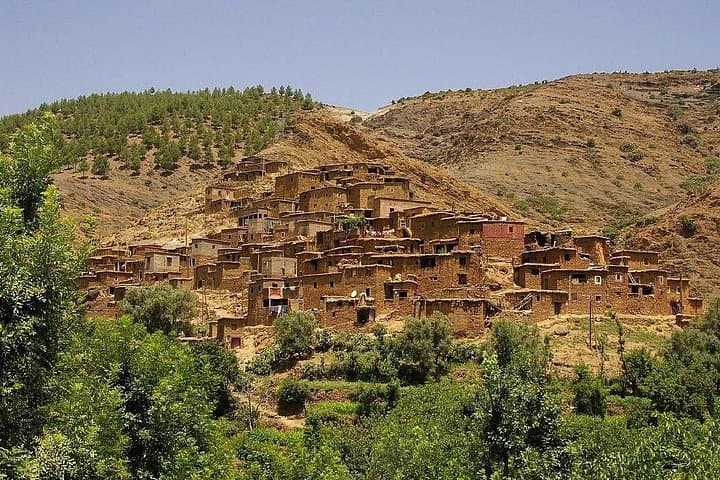
The valley is shaped by volcanic geology and centuries of human agriculture: stone terraces, small dams and fortified Berber homes from the 16th–17th centuries. Argan trees—slow-growing and stubborn—dot lower slopes; locals harvest nuts by hand and press oil in family cooperatives that still use traditional stone-grinding methods. A visit to an argan cooperative and a Berber house offers direct cultural insight: mint tea, simple courtyard life and demonstrations of time-honed craft.
Practically, expect a 6–7 hour day trip from Marrakech, roughly 30–45 km each way depending on route and traffic, with 3–5 km of walking around Setti Fatma and up to ~250 m of elevation gain on stepped, rocky trails to the upper cascades. Terrain alternates paved village lanes, loose gravel and stony paths with some steeper sections and wooden steps.
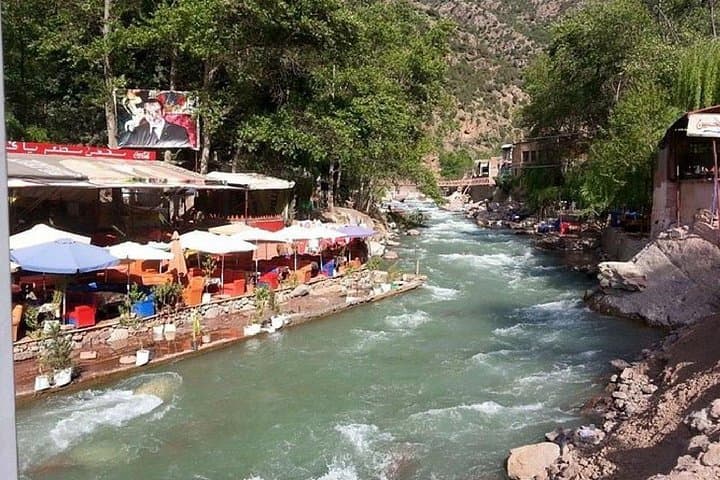
Bring sun protection, sturdy shoes and small-change for cooperatives and the occasional riverside vendor. Visit in the morning to catch fresher water flow and cooler air; if you travel on Monday you might also stop at the roadside souk. The Ourika Valley is an accessible, story-rich day outside Marrakech where geology, agriculture and living Berber traditions meet the sound of falling water.
Expect 3–5 km roundtrip with about 200–300 m of cumulative elevation gain depending on how many cascades you reach; allow 1.5–2 hours for a steady pace.
Yes—this excursion typically includes private transportation to and from Marrakech as part of the day tour.
Visits are usually free and include demonstrations; purchases of products are optional and typically paid in cash or card depending on the cooperative.
Basic cafés and toilets exist in Setti Fatma village near the trailhead, but facilities become limited higher on the path, so plan accordingly.
HCTours operates guided outdoor trips and adventures with an emphasis on safety, stewardship, and memorable experiences.
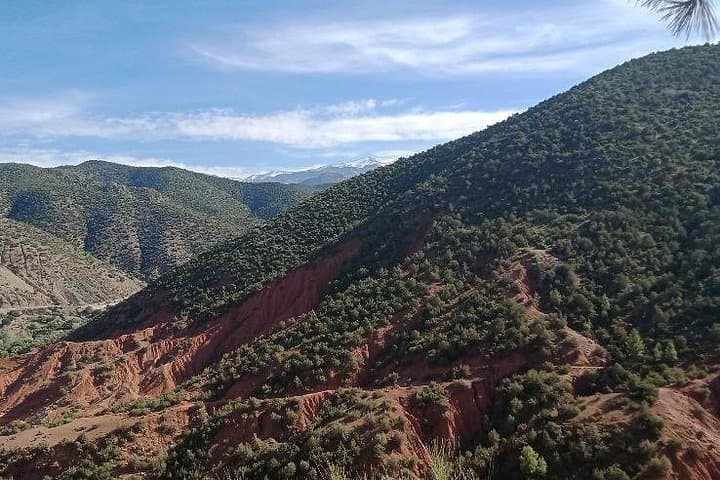
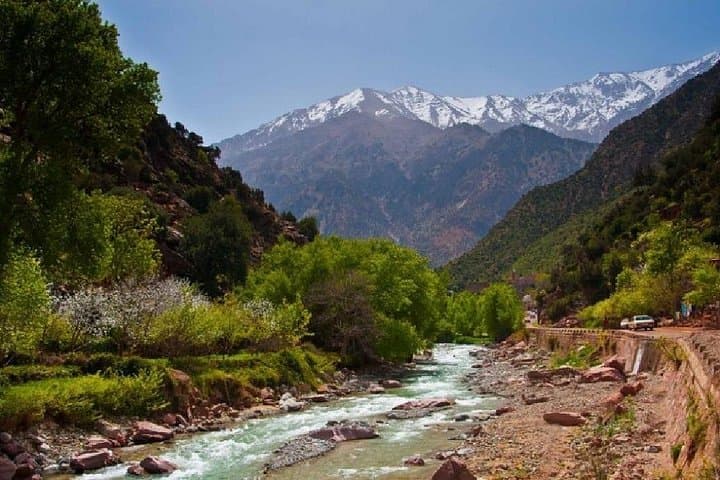
You leave Marrakech behind and the city’s heat loosens as the road climbs into the High Atlas foothills. Olive trees and terraced vegetable fields slide past the window; at the first viewpoint the valley opens — a ribbon of cultivated green cupped by ochre slopes. The drive follows the Ourika River, which dares you to step closer at the village of Setti Fatma where the hike to the falls begins.
You leave Marrakech behind and the city’s heat loosens as the road climbs into the High Atlas foothills. Olive trees and terraced vegetable fields slide past the window; at the first viewpoint the valley opens — a ribbon of cultivated green cupped by ochre slopes. The drive follows the Ourika River, which dares you to step closer at the village of Setti Fatma where the hike to the falls begins.
The valley is shaped by volcanic geology and centuries of human agriculture: stone terraces, small dams and fortified Berber homes from the 16th–17th centuries. Argan trees—slow-growing and stubborn—dot lower slopes; locals harvest nuts by hand and press oil in family cooperatives that still use traditional stone-grinding methods. A visit to an argan cooperative and a Berber house offers direct cultural insight: mint tea, simple courtyard life and demonstrations of time-honed craft.
Practically, expect a 6–7 hour day trip from Marrakech, roughly 30–45 km each way depending on route and traffic, with 3–5 km of walking around Setti Fatma and up to ~250 m of elevation gain on stepped, rocky trails to the upper cascades. Terrain alternates paved village lanes, loose gravel and stony paths with some steeper sections and wooden steps.
Bring sun protection, sturdy shoes and small-change for cooperatives and the occasional riverside vendor. Visit in the morning to catch fresher water flow and cooler air; if you travel on Monday you might also stop at the roadside souk. The Ourika Valley is an accessible, story-rich day outside Marrakech where geology, agriculture and living Berber traditions meet the sound of falling water.