THE ADVENTURE COLLECTIVE® · Independent discovery and booking for outdoor travel

Spend a day in the Ourika Valley from Marrakech—visit a Berber village, learn argan production, and hike to the Setti Fatma waterfalls. This easy eight-hour trip blends culture, short hikes and riverside lunch with sweeping mountain views.
Spend a day in the Ourika Valley from Marrakech—visit a Berber village, learn argan production, and hike to the Setti Fatma waterfalls. This easy eight-hour trip blends culture, short hikes and riverside lunch with sweeping mountain views.
You leave Marrakech behind and the city heat thins into the cool, stony smell of the High Atlas foothills. The Ourika River threads the valley, daring you to slow down as olive terraces and stone houses slip by. By midmorning the foothills open to a cluster of Berber homes; the guide leads you toward the river trail where the air carries the damp, mineral scent of the Setti Fatma waterfalls.
Verified experiences and guided adventures in the surrounding area.
Operated by Morocco Travel · Marrakech, Marrakech-Safi
You leave Marrakech behind and the city heat thins into the cool, stony smell of the High Atlas foothills. The Ourika River threads the valley, daring you to slow down as olive terraces and stone houses slip by. By midmorning the foothills open to a cluster of Berber homes; the guide leads you toward the river trail where the air carries the damp, mineral scent of the Setti Fatma waterfalls.
This valley has long been shaped by mountain water and Berber agriculture; argan trees, their gnarled trunks older than many roads, yield oil still produced in cooperative presses by local women. Geologically the area is a transition between Marrakech’s plain and rising volcanic ridges—the streams have carved stepped cascades and pockets of alluvium where villages root themselves. Expect friendly exchanges over mint tea, explanations of argan pressing, and views that reward short, uneven hikes with broad panoramas.
Practical guidance: the full experience is an eight-hour day trip from Marrakech by air-conditioned vehicle. Trails to the main waterfalls involve stone steps and short steep sections—good footwear and steady footing are essential. Carry 1–1.5 liters of water, a sun layer and a light windproof for late-afternoon chills. Lunch is typically a riverside meal at a local auberge; check dietary needs before booking. Photo opportunities cluster at viewpoints above the cascades and along quieter village lanes—arrive early in high season to avoid crowds. Respect private terraces, ask before photographing people, and leave no trace on the fragile argan slopes.
The transfer is about 45–75 minutes each way depending on traffic and exact pickup location in Marrakech.
Walks include short steep sections and stone steps; they’re generally manageable for children and older travelers who can handle brief uphill stretches, but not recommended for those with serious mobility limits.
Lunch is provided if selected at booking; notify the operator of dietary restrictions in advance so the local auberge can prepare alternatives.
Yes—many tours stop at a women’s cooperative where you can watch production and purchase argan oil and cosmetics directly from producers.
Morocco Travel operates guided outdoor trips and adventures with an emphasis on safety, stewardship, and memorable experiences.
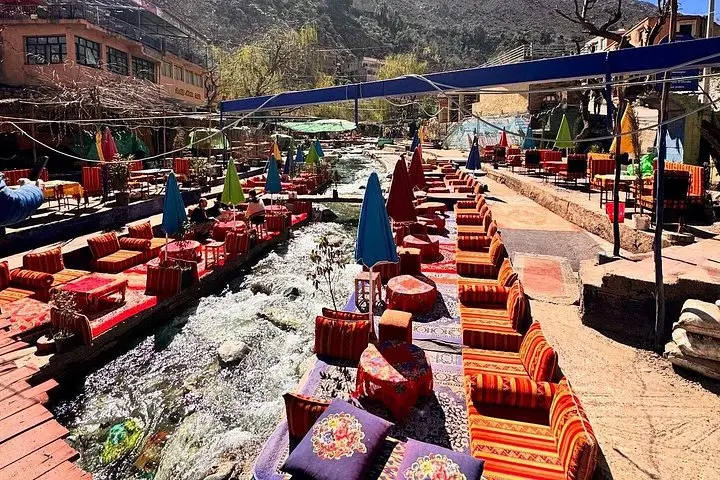
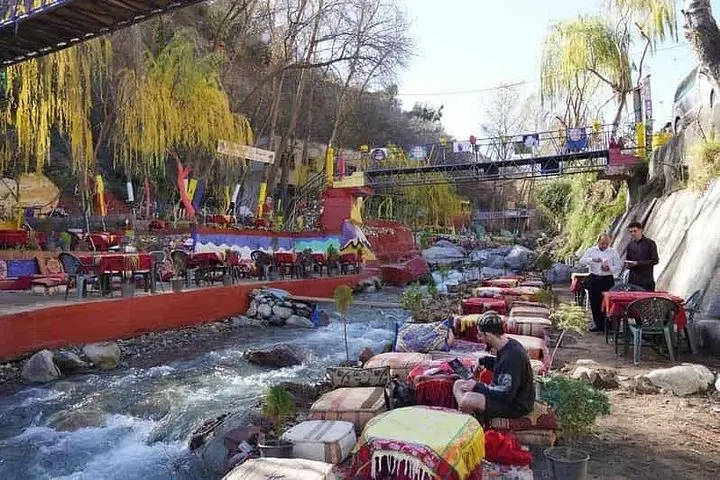
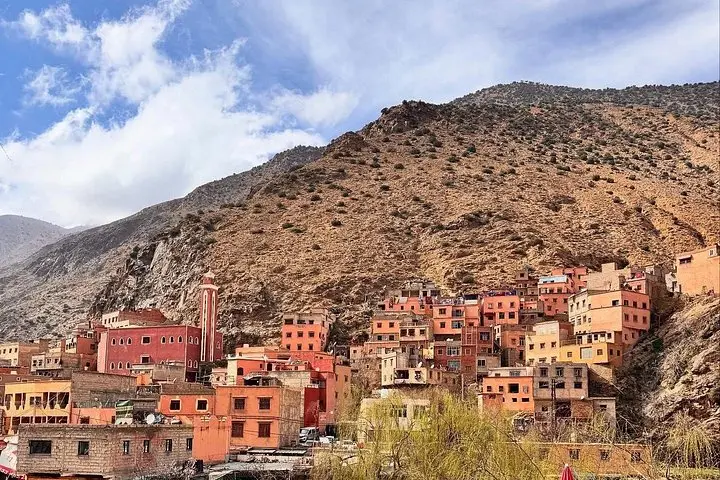
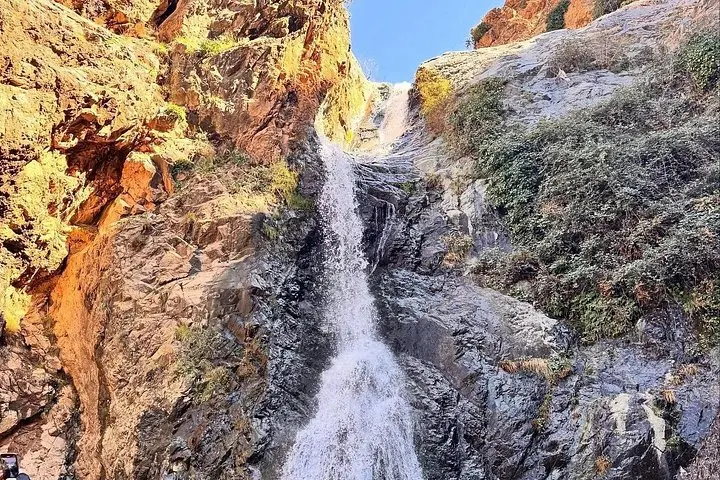
You leave Marrakech behind and the city heat thins into the cool, stony smell of the High Atlas foothills. The Ourika River threads the valley, daring you to slow down as olive terraces and stone houses slip by. By midmorning the foothills open to a cluster of Berber homes; the guide leads you toward the river trail where the air carries the damp, mineral scent of the Setti Fatma waterfalls.
You leave Marrakech behind and the city heat thins into the cool, stony smell of the High Atlas foothills. The Ourika River threads the valley, daring you to slow down as olive terraces and stone houses slip by. By midmorning the foothills open to a cluster of Berber homes; the guide leads you toward the river trail where the air carries the damp, mineral scent of the Setti Fatma waterfalls.
This valley has long been shaped by mountain water and Berber agriculture; argan trees, their gnarled trunks older than many roads, yield oil still produced in cooperative presses by local women. Geologically the area is a transition between Marrakech’s plain and rising volcanic ridges—the streams have carved stepped cascades and pockets of alluvium where villages root themselves. Expect friendly exchanges over mint tea, explanations of argan pressing, and views that reward short, uneven hikes with broad panoramas.
Practical guidance: the full experience is an eight-hour day trip from Marrakech by air-conditioned vehicle. Trails to the main waterfalls involve stone steps and short steep sections—good footwear and steady footing are essential. Carry 1–1.5 liters of water, a sun layer and a light windproof for late-afternoon chills. Lunch is typically a riverside meal at a local auberge; check dietary needs before booking. Photo opportunities cluster at viewpoints above the cascades and along quieter village lanes—arrive early in high season to avoid crowds. Respect private terraces, ask before photographing people, and leave no trace on the fragile argan slopes.