THE ADVENTURE COLLECTIVE® · Independent discovery and booking for outdoor travel

Escape Marrakech for a day and follow the Ourika River into the Atlas foothills. Hike to the first Setti Fatma waterfall, visit riverside Berber homes, and enjoy a traditional lunch by the mountains.
Escape Marrakech for a day and follow the Ourika River into the Atlas foothills. Hike to the first Setti Fatma waterfall, visit riverside Berber homes, and enjoy a traditional lunch by the mountains.
You leave Marrakech’s ochre walls behind as the road climbs toward the Atlas foothills; cedar and olive trees blur past the minibus windows while the Ourika River dares you closer with each bend. By mid-morning the valley opens into steep, green slopes and stone-terraced fields threaded with irrigation channels — the kind of landscape that makes maps feel blunt.
Verified experiences and guided adventures in the surrounding area.
Operated by Deep South Travel Marrakech · Ourika, Marrakech-Safi
You leave Marrakech’s ochre walls behind as the road climbs toward the Atlas foothills; cedar and olive trees blur past the minibus windows while the Ourika River dares you closer with each bend. By mid-morning the valley opens into steep, green slopes and stone-terraced fields threaded with irrigation channels — the kind of landscape that makes maps feel blunt.
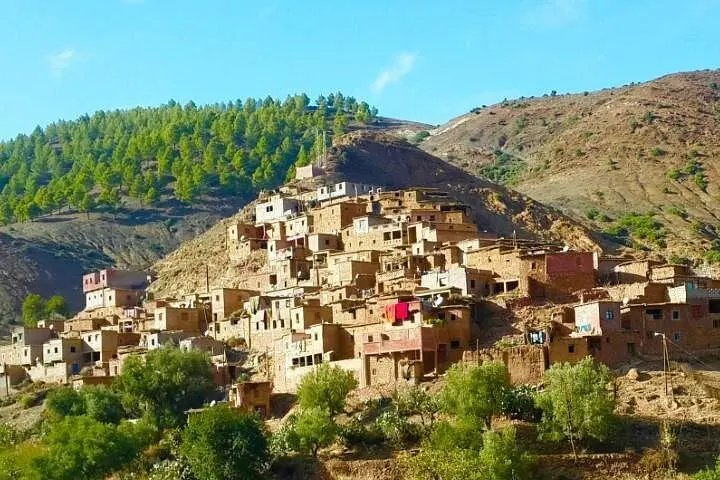
The valley has been home to Amazigh (Berber) communities for centuries; villages cling to ridgelines and still practice small-scale agriculture and crafts. Geologically the area is a transition between Marrakech’s plain and the rising High Atlas, with schist and limestone outcrops that channel streams into a sequence of cascades at Setti Fatma. Culture here is hands-on: families invite visitors for mint tea and a simple breakfast of bread, olive oil, honey and butter, and market days still pulse with weekly trade in neighboring hamlets.
The main draw is a guided trek to the first of the seven waterfalls — a roughly 45-minute uphill walk over uneven, sometimes slippery stone and dirt tracks, crossing small footbridges and fording shallow rivulets. The waterfall pool is a cool reward; restaurants on the riverside make for relaxed lunches with mountain views. You can also opt for a short camel ride deeper into the valley.
Practical guidance: wear sturdy shoes with grip, carry 1–2 liters of water, and bring sun protection and a light layer for morning chill. Start mid-morning to avoid the hottest hours and respect private homes — ask before photographing residents. The tour runs as a full-day private transfer from Marrakech and suits travelers wanting an accessible mix of culture, short hiking and mountain scenery.
Expect roughly 30–60 minutes each way depending on pace and stops — the path is uneven with short ascents.
Yes — the hike is suitable for older children and people with basic mobility; infants should use appropriate carriers rather than strollers.
Lunch at a riverside local restaurant is included on the tour, typically featuring regional dishes and tea.
Yes — bring Moroccan dirhams for market purchases, small souvenirs, or extra snacks and tips.
Deep South Travel Marrakech operates guided outdoor trips and adventures with an emphasis on safety, stewardship, and memorable experiences.
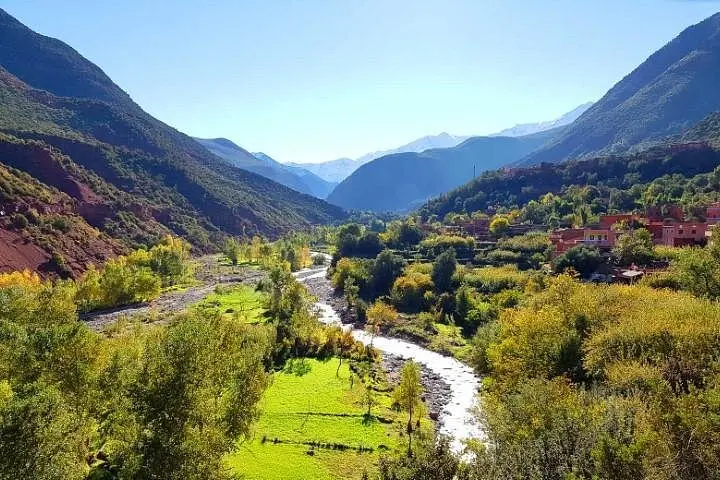
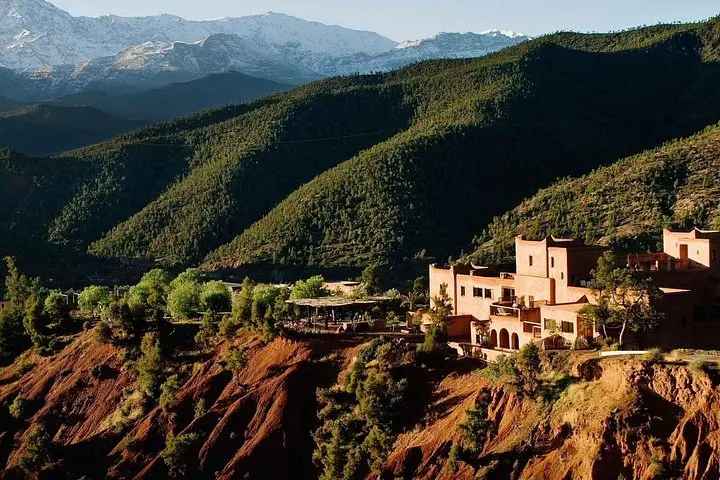
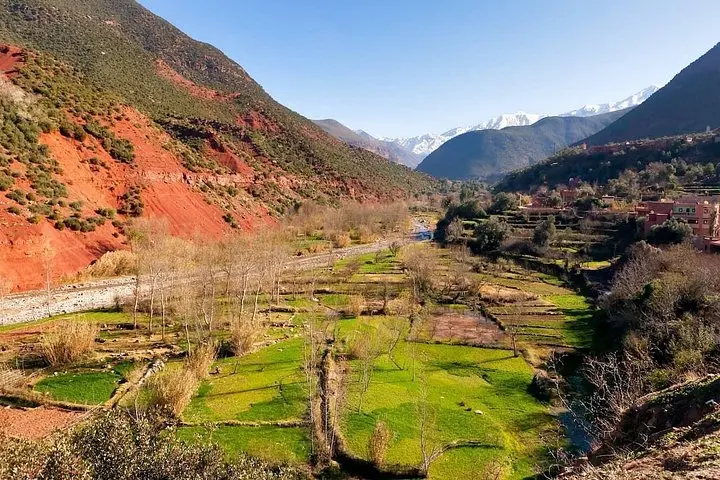
You leave Marrakech’s ochre walls behind as the road climbs toward the Atlas foothills; cedar and olive trees blur past the minibus windows while the Ourika River dares you closer with each bend. By mid-morning the valley opens into steep, green slopes and stone-terraced fields threaded with irrigation channels — the kind of landscape that makes maps feel blunt.
You leave Marrakech’s ochre walls behind as the road climbs toward the Atlas foothills; cedar and olive trees blur past the minibus windows while the Ourika River dares you closer with each bend. By mid-morning the valley opens into steep, green slopes and stone-terraced fields threaded with irrigation channels — the kind of landscape that makes maps feel blunt.
The valley has been home to Amazigh (Berber) communities for centuries; villages cling to ridgelines and still practice small-scale agriculture and crafts. Geologically the area is a transition between Marrakech’s plain and the rising High Atlas, with schist and limestone outcrops that channel streams into a sequence of cascades at Setti Fatma. Culture here is hands-on: families invite visitors for mint tea and a simple breakfast of bread, olive oil, honey and butter, and market days still pulse with weekly trade in neighboring hamlets.
The main draw is a guided trek to the first of the seven waterfalls — a roughly 45-minute uphill walk over uneven, sometimes slippery stone and dirt tracks, crossing small footbridges and fording shallow rivulets. The waterfall pool is a cool reward; restaurants on the riverside make for relaxed lunches with mountain views. You can also opt for a short camel ride deeper into the valley.
Practical guidance: wear sturdy shoes with grip, carry 1–2 liters of water, and bring sun protection and a light layer for morning chill. Start mid-morning to avoid the hottest hours and respect private homes — ask before photographing residents. The tour runs as a full-day private transfer from Marrakech and suits travelers wanting an accessible mix of culture, short hiking and mountain scenery.