THE ADVENTURE COLLECTIVE® · Independent discovery and booking for outdoor travel

Escape Marrakech for a day and follow a river into the High Atlas to Setti Fatma, where a guided walk visits seven waterfalls and traditional Berber villages. Expect a mix of scenic driving, cultural visits, and uneven mountain trails.
Escape Marrakech for a day and follow a river into the High Atlas to Setti Fatma, where a guided walk visits seven waterfalls and traditional Berber villages. Expect a mix of scenic driving, cultural visits, and uneven mountain trails.
A cool wind from the High Atlas meets Marrakech's heat as the minivan threads olive groves and red-earth villages toward the Ourika Valley. By the time you reach Setti Fatma the river has sharpened the air; water hurries through rock chutes, daring you to follow the trail upstream to the waterfalls. The path climbs in short, stony steps between terraced fields and mule tracks, opening onto clear pools and the first of seven falls.
Verified experiences and guided adventures in the surrounding area.
Operated by Fes Tours Guide · Marrakech, Marrakesh-Safi
A cool wind from the High Atlas meets Marrakech's heat as the minivan threads olive groves and red-earth villages toward the Ourika Valley. By the time you reach Setti Fatma the river has sharpened the air; water hurries through rock chutes, daring you to follow the trail upstream to the waterfalls. The path climbs in short, stony steps between terraced fields and mule tracks, opening onto clear pools and the first of seven falls.
Geology here is straightforward: eroded schist and granite carved by seasonal runoff that creates pockets and cascades. The valley’s slopes hold small Berber villages—Aghbalou and Setti Fatma among them—where stone houses and irrigated orchards reflect centuries of mountain agriculture. A visit to a local Berber home and an argan cooperative illuminates daily life: mint tea, woven rugs, and an economy shaped by altitude and water.
Expect a day balanced between scenic driving, cultural stops, and a guided walk to the waterfalls. Trails are uneven and can be slippery after rain; the hike to the higher falls is more strenuous and involves short steep sections.
Practical guidance: wear grippy shoes, carry 1–2 liters of water, and time your visit for morning light when cascades are cooler and crowds thinner. Respect private terraces and ask before photographing people. Supporting the women’s cooperatives and choosing a guide who practices leave-no-trace helps keep the valley livable for locals and wildlife alike.
The guided walk to visit the main Setti Fatma waterfalls is typically 1–2 hours round trip depending on pace and how many falls you stop at.
Yes—many sections are family friendly, but expect uneven paths; those with mobility issues should advise the operator and may opt to stay near the village.
Lunch and hotel pickup are included; small local fees or optional donations at cooperatives may be extra—confirm with the operator when booking.
Yes—most itineraries include a short visit to a Berber household and an argan women’s cooperative to observe local crafts and oil production.
Fes Tours Guide operates guided outdoor trips and adventures with an emphasis on safety, stewardship, and memorable experiences.
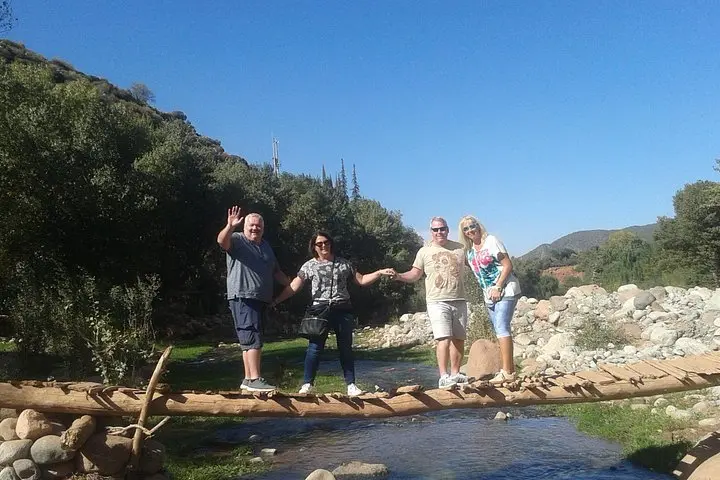
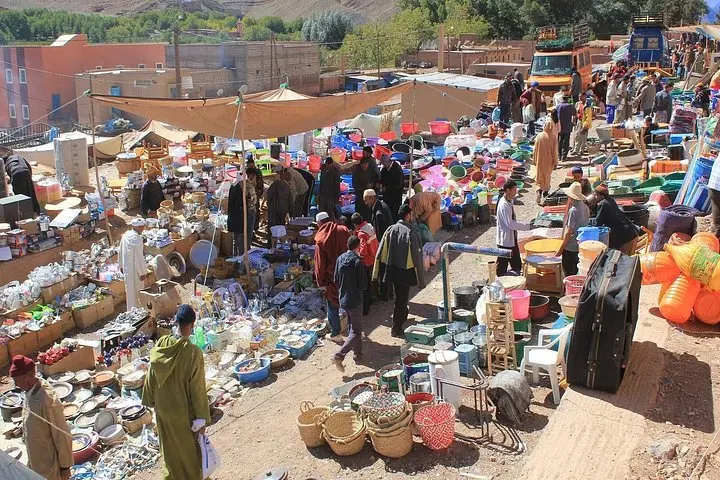
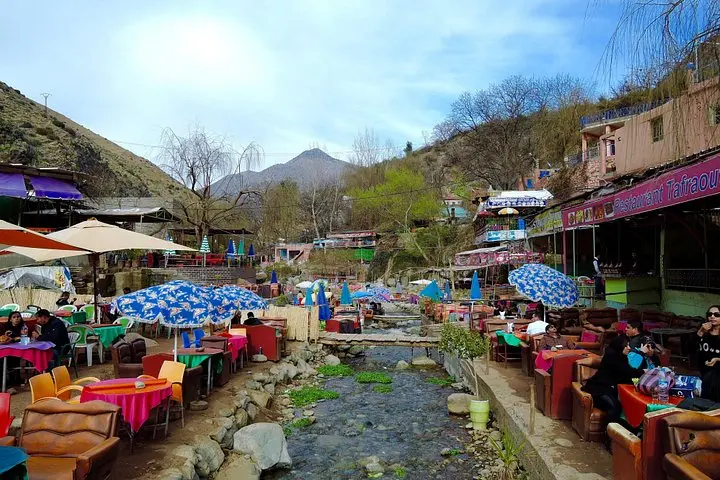
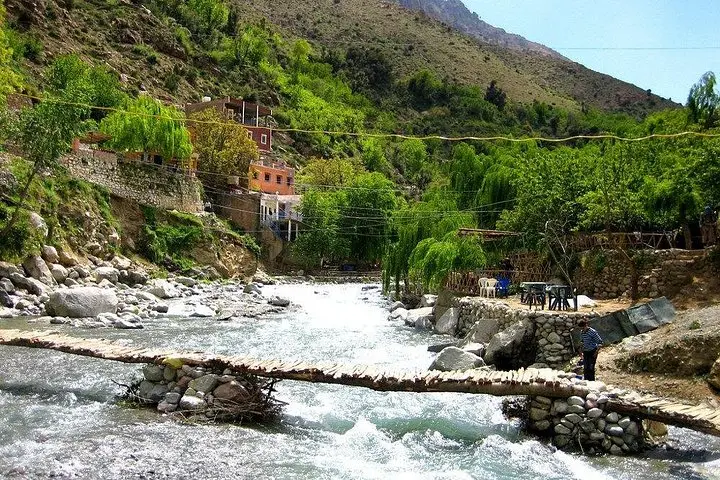
A cool wind from the High Atlas meets Marrakech's heat as the minivan threads olive groves and red-earth villages toward the Ourika Valley. By the time you reach Setti Fatma the river has sharpened the air; water hurries through rock chutes, daring you to follow the trail upstream to the waterfalls. The path climbs in short, stony steps between terraced fields and mule tracks, opening onto clear pools and the first of seven falls.
A cool wind from the High Atlas meets Marrakech's heat as the minivan threads olive groves and red-earth villages toward the Ourika Valley. By the time you reach Setti Fatma the river has sharpened the air; water hurries through rock chutes, daring you to follow the trail upstream to the waterfalls. The path climbs in short, stony steps between terraced fields and mule tracks, opening onto clear pools and the first of seven falls.
Geology here is straightforward: eroded schist and granite carved by seasonal runoff that creates pockets and cascades. The valley’s slopes hold small Berber villages—Aghbalou and Setti Fatma among them—where stone houses and irrigated orchards reflect centuries of mountain agriculture. A visit to a local Berber home and an argan cooperative illuminates daily life: mint tea, woven rugs, and an economy shaped by altitude and water.
Expect a day balanced between scenic driving, cultural stops, and a guided walk to the waterfalls. Trails are uneven and can be slippery after rain; the hike to the higher falls is more strenuous and involves short steep sections.
Practical guidance: wear grippy shoes, carry 1–2 liters of water, and time your visit for morning light when cascades are cooler and crowds thinner. Respect private terraces and ask before photographing people. Supporting the women’s cooperatives and choosing a guide who practices leave-no-trace helps keep the valley livable for locals and wildlife alike.