THE ADVENTURE COLLECTIVE® · Independent discovery and booking for outdoor travel

Escape Marrakech for a six‑hour small‑group trip into the Ourika Valley to hike to Setti Fatma’s seven waterfalls, taste Berber cuisine by the river and walk mountain paths beneath the High Atlas peaks.
Escape Marrakech for a six‑hour small‑group trip into the Ourika Valley to hike to Setti Fatma’s seven waterfalls, taste Berber cuisine by the river and walk mountain paths beneath the High Atlas peaks.
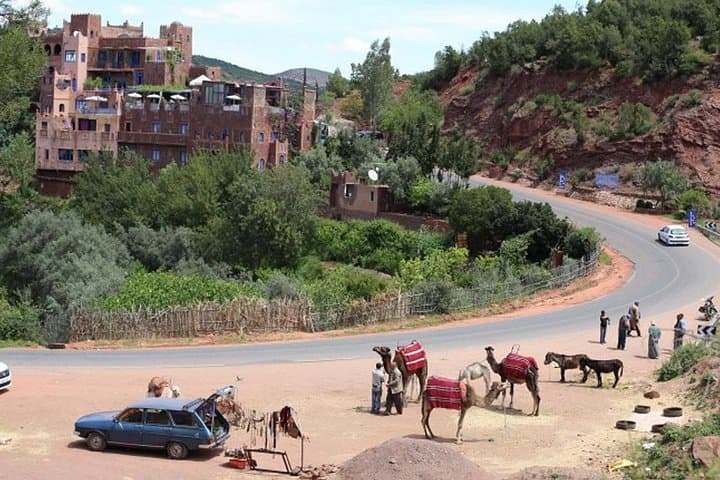
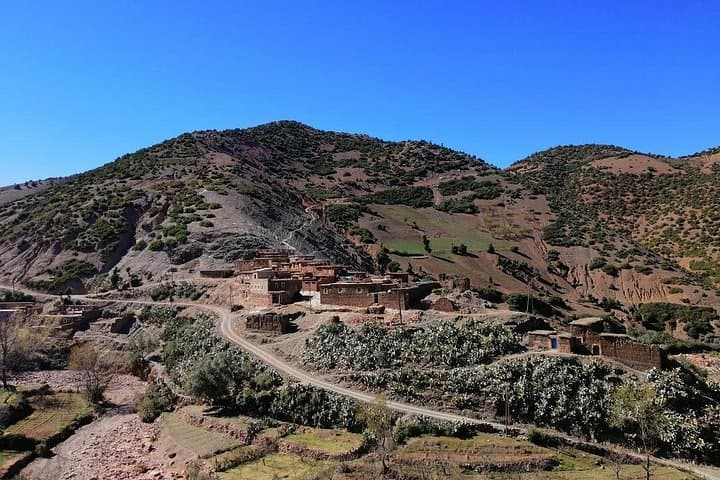
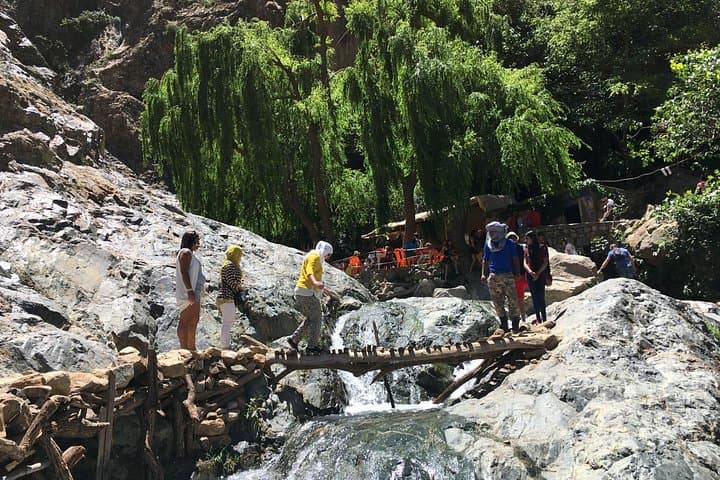
You step off the air-conditioned minivan and the heat of Marrakech eases—mountain air and the rush of a river greeting you as you cross a rough wooden bridge into the Ourika Valley. Peaks of the High Atlas hover with lingering snow in winter; the river pushes downhill through terraces, olive groves and compacted earth paths that the village women still use to carry goods and chat over steaming mint tea.
Verified experiences and guided adventures in the surrounding area.
Operated by Trendy Travel · Marrakech, Marrakech-Safi
You step off the air-conditioned minivan and the heat of Marrakech eases—mountain air and the rush of a river greeting you as you cross a rough wooden bridge into the Ourika Valley. Peaks of the High Atlas hover with lingering snow in winter; the river pushes downhill through terraces, olive groves and compacted earth paths that the village women still use to carry goods and chat over steaming mint tea.
The Ourika Valley is a living margin between Marrakech and the High Atlas: a placemaking of Berber hamlets, stone terraces and streams that have carved the valley as the Atlas thrust skyward in a Miocene uplift. Setti Fatma, the village known for “seven waterfalls,” grew where footpaths converge; historically it has been a seasonal local stop for shepherds and farmers.
The activity is straightforward—short, well-worn trails with stone steps and narrow switchbacks. Initial sections are easy; higher cascades require moderate climbs and sure footing. Expect 45–90 minutes of uphill walking to reach the upper falls depending on pace, with several river crossings and natural pools along the way.
Practical guidance: wear sturdy trail shoes, carry 1–2 liters of water, and bring sun protection and a light layer for higher elevations. Local restaurants along the river serve tagines and herbal tea; try a cup of mint tea prepared by a village hostess. Respect privacy—ask before photographing people—and leave no trace on fragile terraces. With hotel pickup and a small-group limit, this six-hour excursion is an accessible way to pair light mountain hiking with cultural encounters outside Marrakech.
The uphill walk to the main cascades typically takes 45–90 minutes one way, depending on pace and how many stops you make.
Yes—paths are manageable for most ages, though steeper sections may be challenging; guides can assist and there are cafés if a shorter visit is preferred.
Bring some cash for small purchases, café meals, tips and possible local fees; cards are not widely accepted in village restaurants.
Some lower pools are reachable for a quick dip, but water can be cold and currents vary—assess safety before entering and follow your guide’s advice.
Trendy Travel operates guided outdoor trips and adventures with an emphasis on safety, stewardship, and memorable experiences.

You step off the air-conditioned minivan and the heat of Marrakech eases—mountain air and the rush of a river greeting you as you cross a rough wooden bridge into the Ourika Valley. Peaks of the High Atlas hover with lingering snow in winter; the river pushes downhill through terraces, olive groves and compacted earth paths that the village women still use to carry goods and chat over steaming mint tea.
You step off the air-conditioned minivan and the heat of Marrakech eases—mountain air and the rush of a river greeting you as you cross a rough wooden bridge into the Ourika Valley. Peaks of the High Atlas hover with lingering snow in winter; the river pushes downhill through terraces, olive groves and compacted earth paths that the village women still use to carry goods and chat over steaming mint tea.
The Ourika Valley is a living margin between Marrakech and the High Atlas: a placemaking of Berber hamlets, stone terraces and streams that have carved the valley as the Atlas thrust skyward in a Miocene uplift. Setti Fatma, the village known for “seven waterfalls,” grew where footpaths converge; historically it has been a seasonal local stop for shepherds and farmers.
The activity is straightforward—short, well-worn trails with stone steps and narrow switchbacks. Initial sections are easy; higher cascades require moderate climbs and sure footing. Expect 45–90 minutes of uphill walking to reach the upper falls depending on pace, with several river crossings and natural pools along the way.
Practical guidance: wear sturdy trail shoes, carry 1–2 liters of water, and bring sun protection and a light layer for higher elevations. Local restaurants along the river serve tagines and herbal tea; try a cup of mint tea prepared by a village hostess. Respect privacy—ask before photographing people—and leave no trace on fragile terraces. With hotel pickup and a small-group limit, this six-hour excursion is an accessible way to pair light mountain hiking with cultural encounters outside Marrakech.