
Ourika Valley Day Trip from Marrakech: Waterfalls, Atlas Foothills & Berber Villages
A full-day outing from Marrakech into the Atlas foothills to visit Berber villages, verdant terraces, and the valley’s waterfalls. Expect 6–8 hours of sightseeing, short hikes on rocky trails, and easy cultural encounters.
An Adventure In Marrakech.
A full-day outing from Marrakech into the Atlas foothills to visit Berber villages, verdant terraces, and the valley’s waterfalls. Expect 6–8 hours of sightseeing, short hikes on rocky trails, and easy cultural encounters.
Read the full experience
You leave Marrakech before the city thins, the road unspooling toward the first foothills of the High Atlas. Olive groves give way to terraces that cling to steep slopes; the river threads the valley and seems to dare you downstream toward the waterfalls.
You leave Marrakech before the city thins, the road unspooling toward the first foothills of the High Atlas. Olive groves give way to terraces that cling to steep slopes; the river threads the valley and seems to dare you downstream toward the waterfalls.
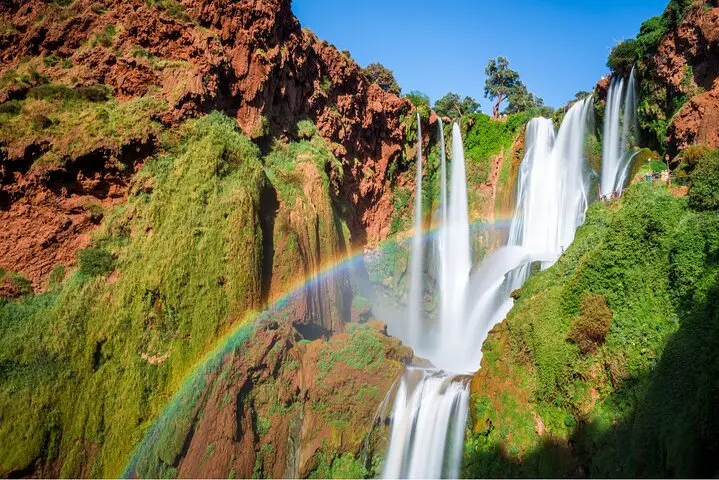
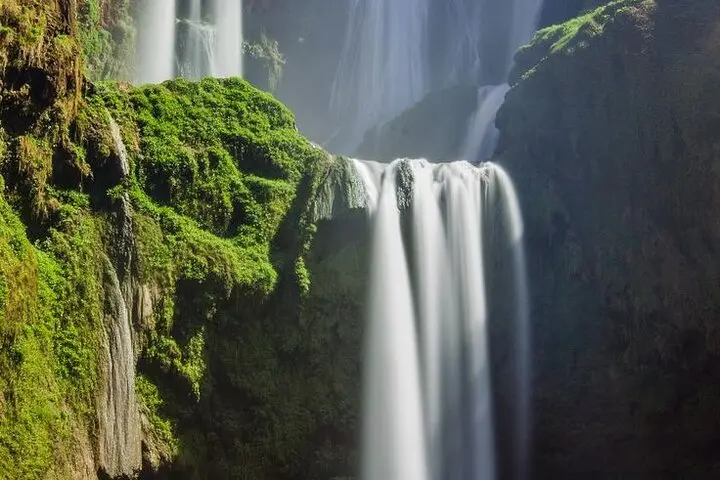
The Ourika Valley is a living agricultural landscape where small Berber villages practice centuries-old farming on stone terraces. Geologically the valley is carved from red and ochre schist and limestone, uplifted by tectonic forces of the Atlas range; rain gathers in channels and feeds seven main cascades that swell in winter and spring. Culturally, the valley has long been a weekend refuge for Marrakchis—local markets, river-side cafés, and shepherds moving flocks punctuate the route.
On a typical day trip you'll stop in villages, walk short trails to viewpoint ledges, and hike to at least one waterfall (often the Setti Fatma cascades). Trails are rocky and uneven with moderate elevation change; expect loose stone, narrow footpaths, and river crossings. Photographers will find saturated colors in spring; hikers can enjoy cooler shade under walnut and olive trees.
Practicalities: tours usually run 6–8 hours with hotel pickup, transport in air-conditioned vehicles, and small-group pacing. Wear sturdy shoes, carry 1–2 liters of water, and bring layered clothing—mountain weather can shift fast. Respect private terraces and ask before photographing people. With reasonable fitness this is an accessible introduction to Morocco’s mountain landscapes and the human rhythms that shape them.
Frequently asked questions
Most tours run 6–8 hours with roughly 45–60 minutes of driving each way depending on traffic and exact pickup point.
No—walks to viewpoints and waterfalls are short but uneven; moderate fitness and sure footing are sufficient.
Water flow varies seasonally—winter and spring have the strongest cascades, while late summer brings lower flows but clearer hiking conditions.
Transport is usually included but meals are often not; many tours stop at local cafés where you can buy lunch, so carry cash and snacks if you prefer.
About This Experience
Nomads Berber Tours operates guided outdoor trips and adventures with an emphasis on safety, stewardship, and memorable experiences.
Adventure tips
Recommended gear
- Hiking shoes: Provides traction on loose rock and river-side paths.
- Water bottle (1–2 L): Staying hydrated is important during midday walks and in the dry climate.
- Light rain shell / layers: Spring storms or mountain breezes can make temperatures change quickly.
- Sun protection (hat, sunscreen): High sun exposure on terraces and open trails requires reliable protection.
Photos of the experience
Related adventures & guides
Read the full experience
You leave Marrakech before the city thins, the road unspooling toward the first foothills of the High Atlas. Olive groves give way to terraces that cling to steep slopes; the river threads the valley and seems to dare you downstream toward the waterfalls.
You leave Marrakech before the city thins, the road unspooling toward the first foothills of the High Atlas. Olive groves give way to terraces that cling to steep slopes; the river threads the valley and seems to dare you downstream toward the waterfalls.
The Ourika Valley is a living agricultural landscape where small Berber villages practice centuries-old farming on stone terraces. Geologically the valley is carved from red and ochre schist and limestone, uplifted by tectonic forces of the Atlas range; rain gathers in channels and feeds seven main cascades that swell in winter and spring. Culturally, the valley has long been a weekend refuge for Marrakchis—local markets, river-side cafés, and shepherds moving flocks punctuate the route.
On a typical day trip you'll stop in villages, walk short trails to viewpoint ledges, and hike to at least one waterfall (often the Setti Fatma cascades). Trails are rocky and uneven with moderate elevation change; expect loose stone, narrow footpaths, and river crossings. Photographers will find saturated colors in spring; hikers can enjoy cooler shade under walnut and olive trees.
Practicalities: tours usually run 6–8 hours with hotel pickup, transport in air-conditioned vehicles, and small-group pacing. Wear sturdy shoes, carry 1–2 liters of water, and bring layered clothing—mountain weather can shift fast. Respect private terraces and ask before photographing people. With reasonable fitness this is an accessible introduction to Morocco’s mountain landscapes and the human rhythms that shape them.
Make a day of it nearby.
Verified experiences and guided adventures in the surrounding area.