THE ADVENTURE COLLECTIVE® · Independent discovery and booking for outdoor travel

Escape Marrakech for a day in the Ourika Valley: a cool mountain river, Berber tea with a local family, and a guided walk to the Setti Fatma waterfalls. This small-group outing blends culture, short hikes and riverside food for an accessible Atlas experience.
Escape Marrakech for a day in the Ourika Valley: a cool mountain river, Berber tea with a local family, and a guided walk to the Setti Fatma waterfalls. This small-group outing blends culture, short hikes and riverside food for an accessible Atlas experience.
You leave Marrakech’s ochre heat and, within an hour, the road climbs into the Great Atlas where the air cools and the Ourika River begins to talk. Olive terraces, almond trees and fig orchards edge a narrow valley; the river threads below and occasional mules cross stone bridges as sunlight skips across shallow pools.
Verified experiences and guided adventures in the surrounding area.
Operated by think travel morocco · Setti Fadma, Marrakech-Safi
You leave Marrakech’s ochre heat and, within an hour, the road climbs into the Great Atlas where the air cools and the Ourika River begins to talk. Olive terraces, almond trees and fig orchards edge a narrow valley; the river threads below and occasional mules cross stone bridges as sunlight skips across shallow pools.
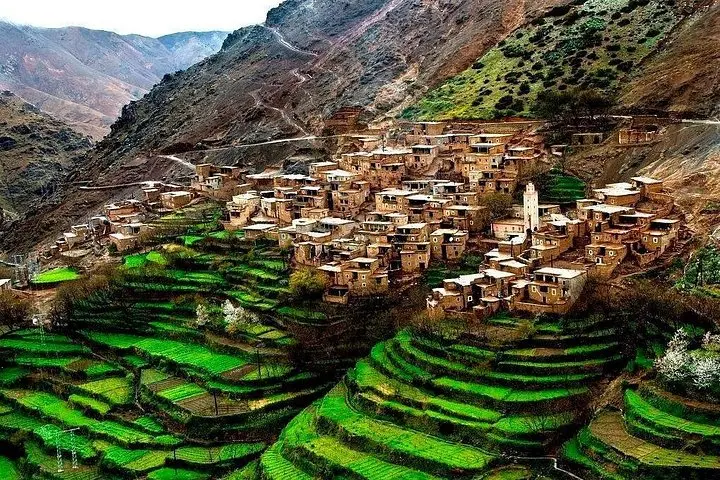
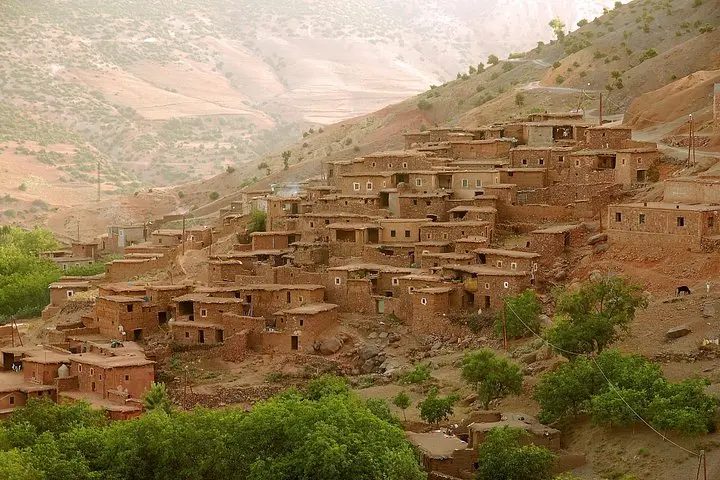
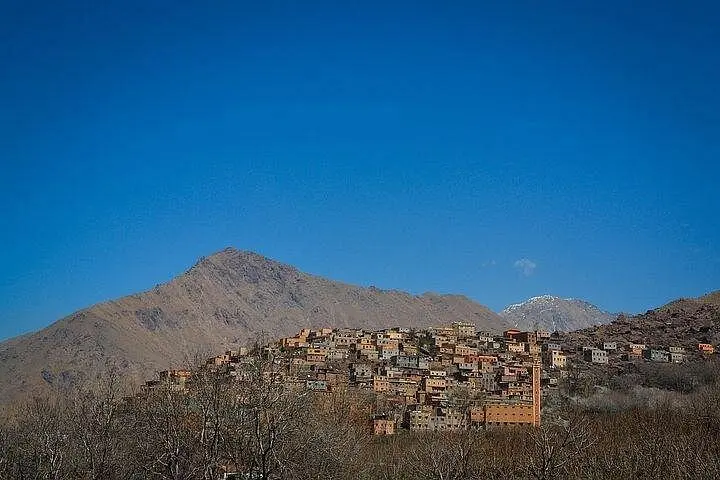
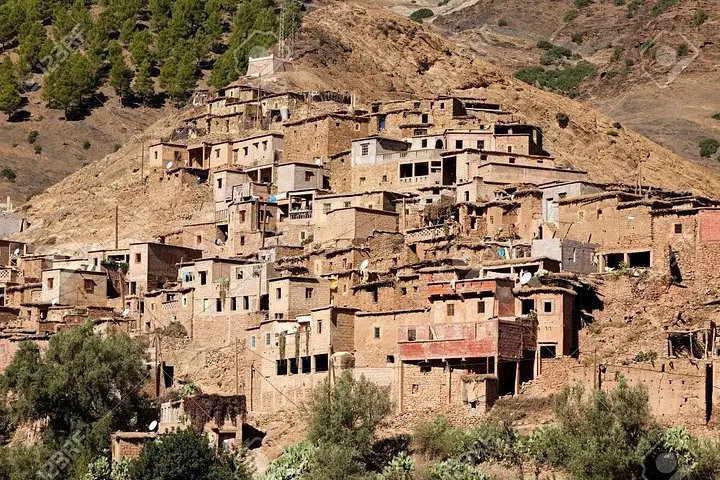
The Ourika Valley has long been home to Amazigh (Berber) communities whose terraces and irrigation channels date back centuries. Geologically it is a southern foothill of the High Atlas: folded schists and sandstone produce step-like ridges, short canyons and seasonal streams that swell in winter and spring. Local culture centers on cooperative craft production—argan oil and handmade rugs—and simple riverside cuisine that reflects mountain-grown produce.
On a typical small-group day trip you’ll stop at a Berber home for mint tea, visit a women’s cooperative, and walk with a local guide to the Setti Fatma waterfalls. Paths climb and descend uneven stone; some waterfalls are reached after a 30–60 minute climb over stepped trails and narrow footpaths. The river invites a picnic; the guide explains local life and seasonal rhythms.
Practical: wear sturdy shoes with traction, bring layered clothing, sun protection and at least 1.5 liters of water. Tours usually include hotel pickup in Marrakech and run about eight hours, so plan for early pickup and a late afternoon return. Respect private properties, support local cooperatives, and avoid feeding wildlife—the valley rewards quiet attention.
The standard excursion is about 8 hours with morning pickup from Marrakech (around 09:15) and return around 17:00; exact pickup times vary by hotel.
The walk involves uneven stone steps and short steep sections but is suitable for most fitness levels; guides can adjust pace for the group.
The tour includes stops where you can buy or sample Berber food by the river, but full meals may not be included—bring cash if you plan to eat locally.
Yes—infants may need to sit on laps; specialized infant seats are sometimes available and the trip is rated easy for families.
think travel morocco operates guided outdoor trips and adventures with an emphasis on safety, stewardship, and memorable experiences.
You leave Marrakech’s ochre heat and, within an hour, the road climbs into the Great Atlas where the air cools and the Ourika River begins to talk. Olive terraces, almond trees and fig orchards edge a narrow valley; the river threads below and occasional mules cross stone bridges as sunlight skips across shallow pools.
You leave Marrakech’s ochre heat and, within an hour, the road climbs into the Great Atlas where the air cools and the Ourika River begins to talk. Olive terraces, almond trees and fig orchards edge a narrow valley; the river threads below and occasional mules cross stone bridges as sunlight skips across shallow pools.
The Ourika Valley has long been home to Amazigh (Berber) communities whose terraces and irrigation channels date back centuries. Geologically it is a southern foothill of the High Atlas: folded schists and sandstone produce step-like ridges, short canyons and seasonal streams that swell in winter and spring. Local culture centers on cooperative craft production—argan oil and handmade rugs—and simple riverside cuisine that reflects mountain-grown produce.
On a typical small-group day trip you’ll stop at a Berber home for mint tea, visit a women’s cooperative, and walk with a local guide to the Setti Fatma waterfalls. Paths climb and descend uneven stone; some waterfalls are reached after a 30–60 minute climb over stepped trails and narrow footpaths. The river invites a picnic; the guide explains local life and seasonal rhythms.
Practical: wear sturdy shoes with traction, bring layered clothing, sun protection and at least 1.5 liters of water. Tours usually include hotel pickup in Marrakech and run about eight hours, so plan for early pickup and a late afternoon return. Respect private properties, support local cooperatives, and avoid feeding wildlife—the valley rewards quiet attention.