THE ADVENTURE COLLECTIVE® · Independent discovery and booking for outdoor travel

A short drive from Marrakech, the Ourika Valley offers cascading waterfalls, Berber villages, aromatic hillside gardens and a glimpse into traditional argan production. This day trip blends easy riverside walks with cultural visits and scenic Atlas views.
A short drive from Marrakech, the Ourika Valley offers cascading waterfalls, Berber villages, aromatic hillside gardens and a glimpse into traditional argan production. This day trip blends easy riverside walks with cultural visits and scenic Atlas views.
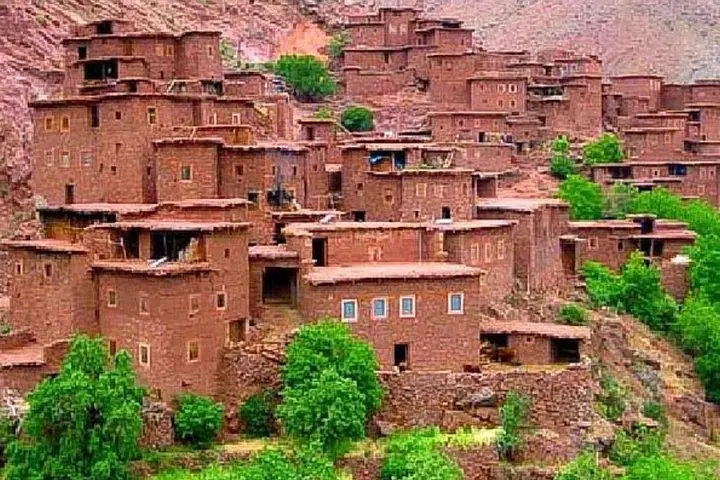
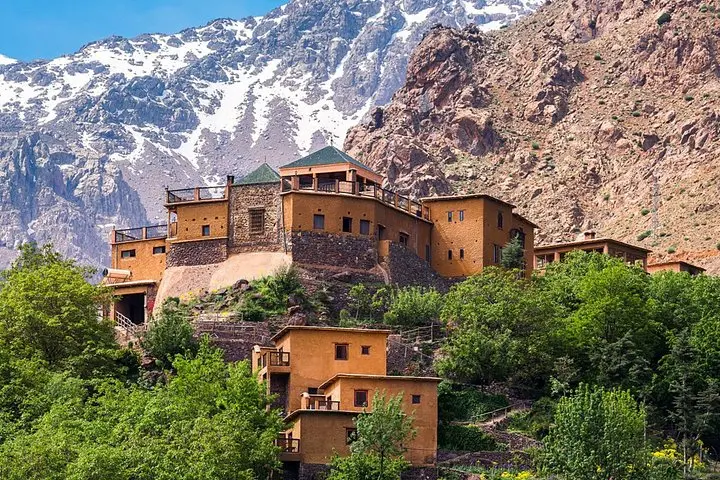
You slide out of Marrakech as the city heat softens and the road climbs toward the High Atlas. Citrus orchards and scrubby argan slopes give way to terraces and stone villages; the river at the valley floor hurries, daring you to follow its ribbon upstream.
Verified experiences and guided adventures in the surrounding area.
Operated by Tour and Travel Morocco · Setti Fatma, Marrakech-Safi
You slide out of Marrakech as the city heat softens and the road climbs toward the High Atlas. Citrus orchards and scrubby argan slopes give way to terraces and stone villages; the river at the valley floor hurries, daring you to follow its ribbon upstream.
The Ourika Valley has long been a seasonal lifeline for Berber communities who farm the lower slopes and trade at weekly souks. Geologically, the valley carves through folded sedimentary rock off the southern flanks of the Atlas, producing steep cliffs and stepped waterfalls at Setti Fatma where cooler microclimates support aromatic medicinal plants.
On a day trip you’ll pass bio-aromatic gardens, visit a local home for tea, and can explore a woman’s cooperative where argan oil is still made by hand. Market days turn village squares into living trade routes—goat, textiles and spices change hands amid a steady stream of Atlas hospitality.
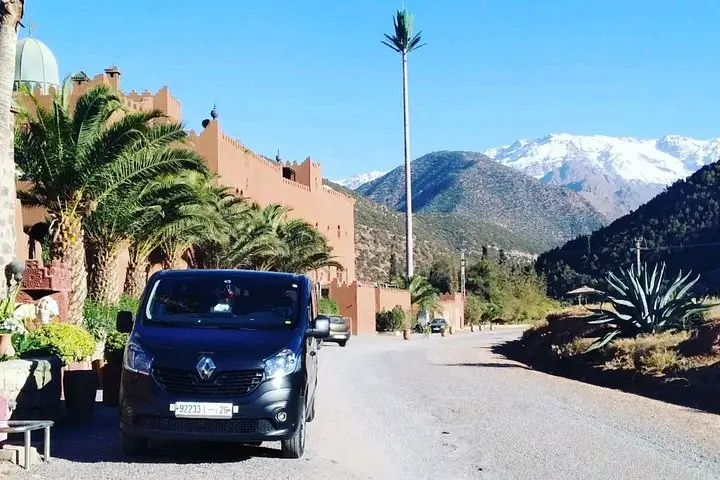
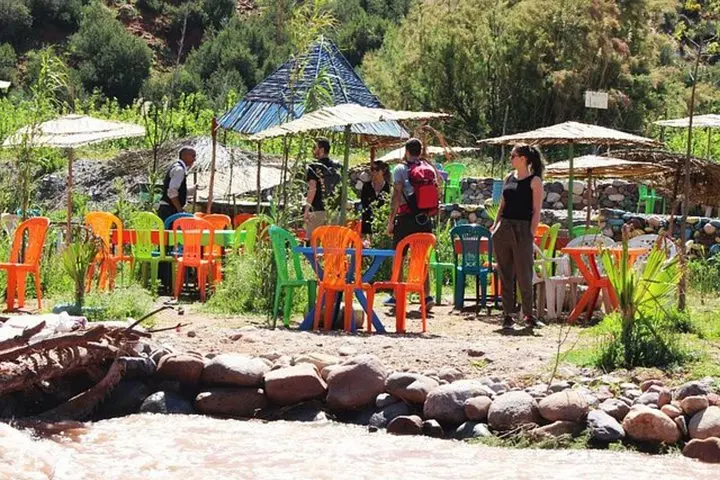
Practicalities: expect a 1–1.5 hour drive from central Marrakech depending on traffic. Most tours include hotel pickup, air-conditioned transport, and a short guided walk to the main cascades; longer hikes up the valley are optional with local guides for a modest fee. Bring sturdy shoes for uneven trails, sun protection, and enough water for the walk—river water is cold but non-potable. Respect private homes when visiting families, and carry small change for cooperative purchases and guide tips.
Timing your visit earlier in the day reduces crowds at the waterfalls and keeps afternoon heat manageable. The route is accessible for most fitness levels but not recommended for travelers with serious back or heart conditions.
Typical transfers are about 1 to 1.5 hours each way depending on traffic and your pickup location in Marrakech.
Most standard tours include a short guided walk to the main waterfalls; longer or steeper hikes up the valley are usually optional and can be arranged with a local guide for an extra fee.
Yes—many day trips include a visit to a local family for tea and a stop at a women’s argan cooperative where you can see oil production and buy products.
The basic tour and riverside views are family-friendly, but the walk to some cascades involves uneven steps and slippery paths—not recommended for travelers with significant mobility limitations.
Tour and Travel Morocco operates guided outdoor trips and adventures with an emphasis on safety, stewardship, and memorable experiences.
You slide out of Marrakech as the city heat softens and the road climbs toward the High Atlas. Citrus orchards and scrubby argan slopes give way to terraces and stone villages; the river at the valley floor hurries, daring you to follow its ribbon upstream.
You slide out of Marrakech as the city heat softens and the road climbs toward the High Atlas. Citrus orchards and scrubby argan slopes give way to terraces and stone villages; the river at the valley floor hurries, daring you to follow its ribbon upstream.
The Ourika Valley has long been a seasonal lifeline for Berber communities who farm the lower slopes and trade at weekly souks. Geologically, the valley carves through folded sedimentary rock off the southern flanks of the Atlas, producing steep cliffs and stepped waterfalls at Setti Fatma where cooler microclimates support aromatic medicinal plants.
On a day trip you’ll pass bio-aromatic gardens, visit a local home for tea, and can explore a woman’s cooperative where argan oil is still made by hand. Market days turn village squares into living trade routes—goat, textiles and spices change hands amid a steady stream of Atlas hospitality.
Practicalities: expect a 1–1.5 hour drive from central Marrakech depending on traffic. Most tours include hotel pickup, air-conditioned transport, and a short guided walk to the main cascades; longer hikes up the valley are optional with local guides for a modest fee. Bring sturdy shoes for uneven trails, sun protection, and enough water for the walk—river water is cold but non-potable. Respect private homes when visiting families, and carry small change for cooperative purchases and guide tips.
Timing your visit earlier in the day reduces crowds at the waterfalls and keeps afternoon heat manageable. The route is accessible for most fitness levels but not recommended for travelers with serious back or heart conditions.