THE ADVENTURE COLLECTIVE® · Independent discovery and booking for outdoor travel

Escape Marrakech for a day in the High Atlas: cascading falls, Berber villages, and a visit to a women’s argan cooperative. This accessible day trip mixes short walks with cultural stops and mountain views.
Escape Marrakech for a day in the High Atlas: cascading falls, Berber villages, and a visit to a women’s argan cooperative. This accessible day trip mixes short walks with cultural stops and mountain views.
You step out of Marrakech’s ochre heat into a cooler ribbon of river and walnut trees as the road climbs toward the High Atlas. The minivan drops its pace and the valley opens—steep terraced fields, stone houses angled to the sun, and the Ourika River daring you to follow its course toward higher waterfalls.
Verified experiences and guided adventures in the surrounding area.
Operated by Around Marrakech Tours · Ourika Valley, Marrakesh-Safi
You step out of Marrakech’s ochre heat into a cooler ribbon of river and walnut trees as the road climbs toward the High Atlas. The minivan drops its pace and the valley opens—steep terraced fields, stone houses angled to the sun, and the Ourika River daring you to follow its course toward higher waterfalls.
This valley has long been a crossroads for Amazigh (Berber) communities; the stone farmhouses and irrigation terraces reflect centuries of small-scale agriculture shaped by rapid mountain runoff and volcanic bedrock. Argan trees, endemic to southwest Morocco, yield nuts that local women refine into oil at cooperatives that thread cultural survival with tourism income. Geologically the valley cuts into folded sedimentary layers of the Atlas, sending cold springs and cascades down rocky gulches.
A guided day tour typically visits local markets, an argan cooperative, and short walks to falls near Setti Fatma, with opportunities to meet artisans and sample fresh mint tea. Expect uneven footpaths, stone steps, and brief climbs to viewpoints—nothing technical but steady footing is required.
Practical guidance: leave Marrakech early to beat crowds and midday heat, carry at least 1.5 L of water, wear grippy shoes for wet rocks, and bring a light layer for changing mountain breezes. Support authentic local vendors and the women’s co-ops rather than buying from middlemen. Photography is welcome, but always ask before photographing people in villages.
A day here balances gentle hiking, cultural exchange, and clear, rushing water—an accessible slice of Atlas life within an easy drive of Marrakech.
Expect about 40–60 minutes each way depending on traffic and the exact meeting point.
No—most falls visited on day tours require short walks on uneven but non-technical trails; a few routes have steps and wet rocks.
Yes; the route is family-friendly but children should be supervised near water and steep edges.
No—visiting supports the cooperative through entrance or tour fees, but purchases are optional and appreciated.
Around Marrakech Tours operates guided outdoor trips and adventures with an emphasis on safety, stewardship, and memorable experiences.
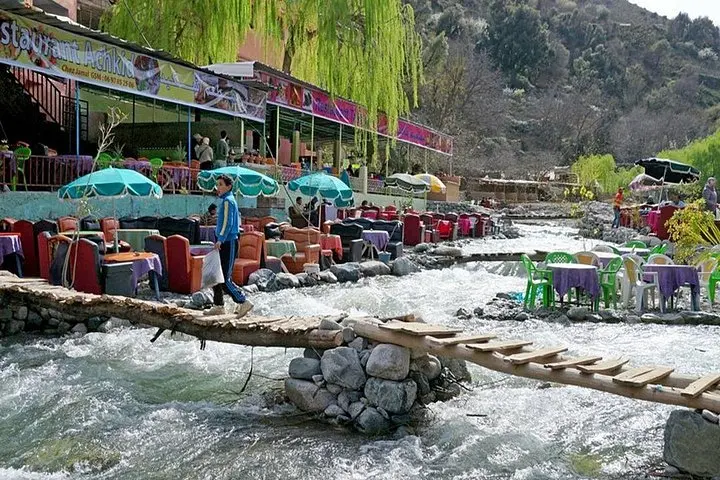
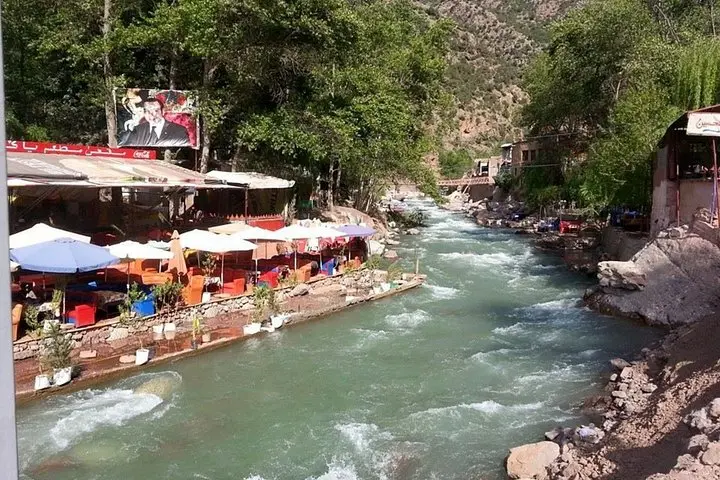
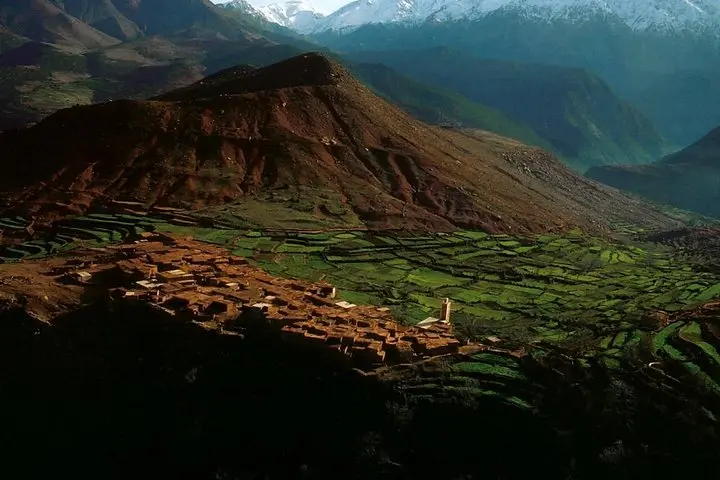
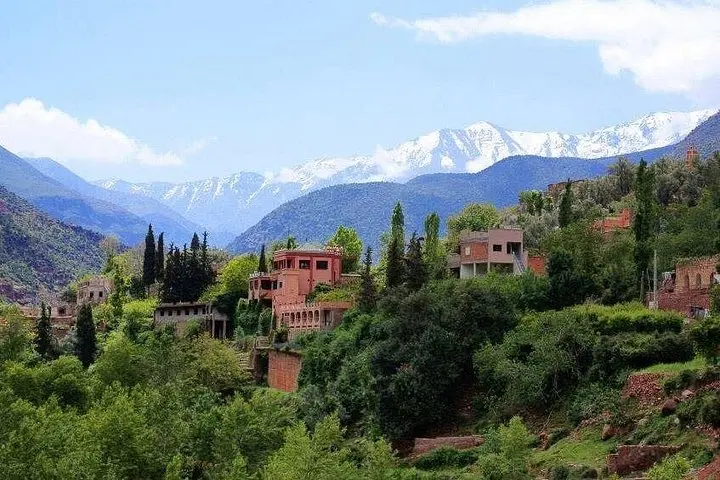
You step out of Marrakech’s ochre heat into a cooler ribbon of river and walnut trees as the road climbs toward the High Atlas. The minivan drops its pace and the valley opens—steep terraced fields, stone houses angled to the sun, and the Ourika River daring you to follow its course toward higher waterfalls.
You step out of Marrakech’s ochre heat into a cooler ribbon of river and walnut trees as the road climbs toward the High Atlas. The minivan drops its pace and the valley opens—steep terraced fields, stone houses angled to the sun, and the Ourika River daring you to follow its course toward higher waterfalls.
This valley has long been a crossroads for Amazigh (Berber) communities; the stone farmhouses and irrigation terraces reflect centuries of small-scale agriculture shaped by rapid mountain runoff and volcanic bedrock. Argan trees, endemic to southwest Morocco, yield nuts that local women refine into oil at cooperatives that thread cultural survival with tourism income. Geologically the valley cuts into folded sedimentary layers of the Atlas, sending cold springs and cascades down rocky gulches.
A guided day tour typically visits local markets, an argan cooperative, and short walks to falls near Setti Fatma, with opportunities to meet artisans and sample fresh mint tea. Expect uneven footpaths, stone steps, and brief climbs to viewpoints—nothing technical but steady footing is required.
Practical guidance: leave Marrakech early to beat crowds and midday heat, carry at least 1.5 L of water, wear grippy shoes for wet rocks, and bring a light layer for changing mountain breezes. Support authentic local vendors and the women’s co-ops rather than buying from middlemen. Photography is welcome, but always ask before photographing people in villages.
A day here balances gentle hiking, cultural exchange, and clear, rushing water—an accessible slice of Atlas life within an easy drive of Marrakech.