THE ADVENTURE COLLECTIVE® · Independent discovery and booking for outdoor travel

Escape Marrakech for a day in the Ourika Valley: a moderate day trip into the foothills of the High Atlas to visit Setti Fatma, walk to waterfalls, and see traditional argan cooperatives. This guided tour blends short hikes, cultural stops, and riverside relaxation.
Escape Marrakech for a day in the Ourika Valley: a moderate day trip into the foothills of the High Atlas to visit Setti Fatma, walk to waterfalls, and see traditional argan cooperatives. This guided tour blends short hikes, cultural stops, and riverside relaxation.
You leave Marrakech’s ochre walls behind and the air changes—drier, cooler, threaded with thyme and river moss. The road climbs into the lower Atlas; olive terraces and small stone villages pass the window until the valley opens, a green ribbon cutting into the mountains. At Setti Fatma the river calls — its cascades dare you to follow rocky steps and shaded paths toward hidden falls.
Verified experiences and guided adventures in the surrounding area.
Operated by Salah Excursions · Setti Fatma (Ourika Valley), Marrakesh-Safi
You leave Marrakech’s ochre walls behind and the air changes—drier, cooler, threaded with thyme and river moss. The road climbs into the lower Atlas; olive terraces and small stone villages pass the window until the valley opens, a green ribbon cutting into the mountains. At Setti Fatma the river calls — its cascades dare you to follow rocky steps and shaded paths toward hidden falls.
The Ourika Valley sits on the southern slopes of the High Atlas, a geographic seam where volcanic and sedimentary rocks create steep-sided valleys. Berber communities have farmed here for centuries; agrarian life and argan production remain central to local culture. Small cooperatives demonstrate traditional argan pressing and offer a close-up on women's craft and local economies.
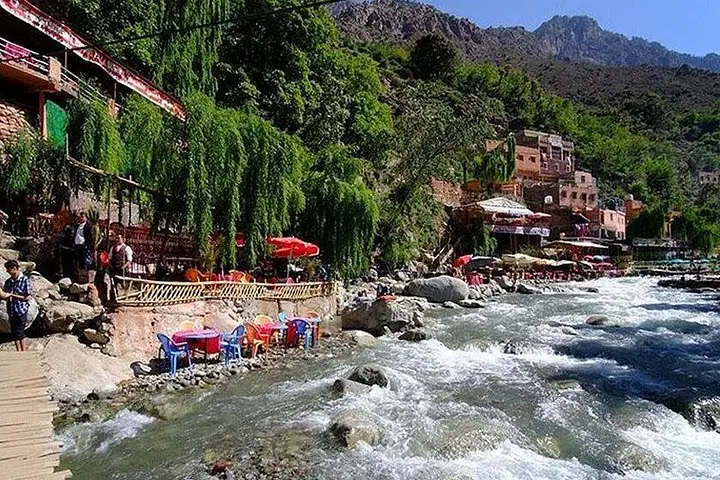
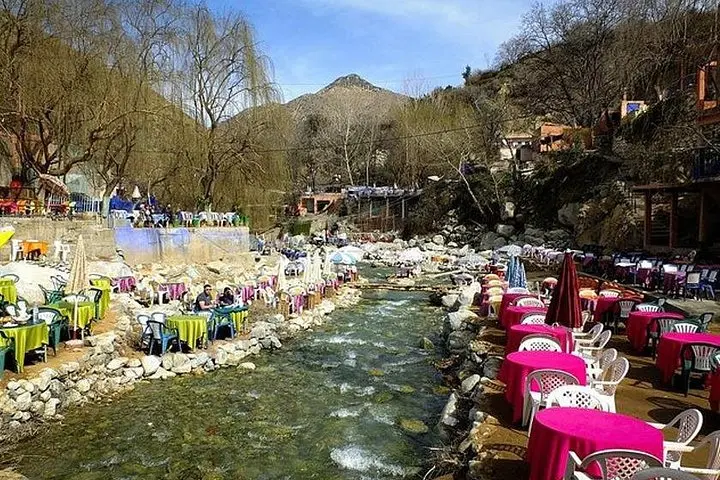
On foot, expect 2–4 km of walking if you choose the waterfall route, with intermittent stone steps and loose scree, and roughly 150–300 m of ascent depending on how far you go. Guides point out irrigation terraces, seasonal orchards and river pools that swell after winter rains. Cafés by the river make good rest stops.
Practical tips: start early to avoid heat and traffic, wear sturdy trail shoes for uneven stone and stream crossings, and carry water and sun protection. The tour typically runs 7–10 hours with hotel pickup and drop-off and includes a light brunch and bottled water. If you prefer a gentler day, stay riverside at Setti Fatma and visit the argan cooperative for cultural insight without the climb.
The Ourika Valley is roughly 30–50 km southeast of Marrakech depending on the exact stop; the transfer typically takes about 45–90 minutes each way.
The walk is optional and ranges from easy to moderate — expect uneven steps and short ascents; guides can tailor the route to your comfort level.
This tour generally includes a light brunch and bottled water; lunch at a local café is usually optional and paid on-site.
Yes — the activity is family-friendly, but care should be taken on rocky paths and near river edges; strollers are not suitable for the waterfall trails.
Salah Excursions operates guided outdoor trips and adventures with an emphasis on safety, stewardship, and memorable experiences.
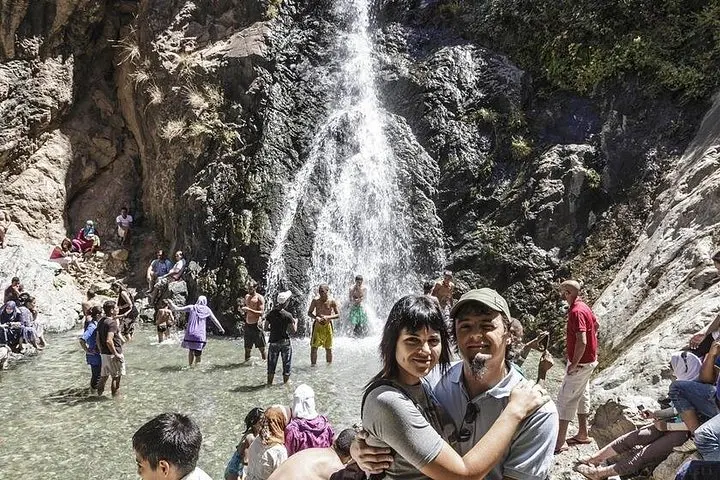
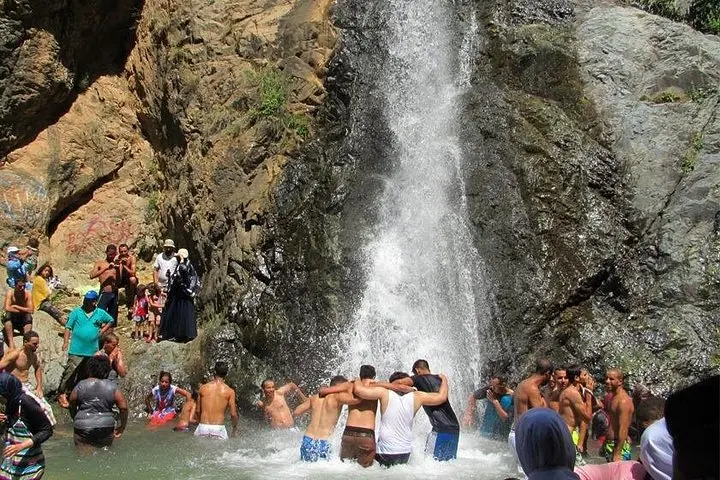
You leave Marrakech’s ochre walls behind and the air changes—drier, cooler, threaded with thyme and river moss. The road climbs into the lower Atlas; olive terraces and small stone villages pass the window until the valley opens, a green ribbon cutting into the mountains. At Setti Fatma the river calls — its cascades dare you to follow rocky steps and shaded paths toward hidden falls.
You leave Marrakech’s ochre walls behind and the air changes—drier, cooler, threaded with thyme and river moss. The road climbs into the lower Atlas; olive terraces and small stone villages pass the window until the valley opens, a green ribbon cutting into the mountains. At Setti Fatma the river calls — its cascades dare you to follow rocky steps and shaded paths toward hidden falls.
The Ourika Valley sits on the southern slopes of the High Atlas, a geographic seam where volcanic and sedimentary rocks create steep-sided valleys. Berber communities have farmed here for centuries; agrarian life and argan production remain central to local culture. Small cooperatives demonstrate traditional argan pressing and offer a close-up on women's craft and local economies.
On foot, expect 2–4 km of walking if you choose the waterfall route, with intermittent stone steps and loose scree, and roughly 150–300 m of ascent depending on how far you go. Guides point out irrigation terraces, seasonal orchards and river pools that swell after winter rains. Cafés by the river make good rest stops.
Practical tips: start early to avoid heat and traffic, wear sturdy trail shoes for uneven stone and stream crossings, and carry water and sun protection. The tour typically runs 7–10 hours with hotel pickup and drop-off and includes a light brunch and bottled water. If you prefer a gentler day, stay riverside at Setti Fatma and visit the argan cooperative for cultural insight without the climb.