THE ADVENTURE COLLECTIVE® · Independent discovery and booking for outdoor travel

Escape Marrakech for a day in the High Atlas: visit berber villages, walk to Setti Fatma’s waterfalls, sample argan oil at a women’s cooperative, and enjoy a short camel ride along the valley floor. This full-day trip mixes easy walking with cultural stops and mountain scenery.
Escape Marrakech for a day in the High Atlas: visit berber villages, walk to Setti Fatma’s waterfalls, sample argan oil at a women’s cooperative, and enjoy a short camel ride along the valley floor. This full-day trip mixes easy walking with cultural stops and mountain scenery.
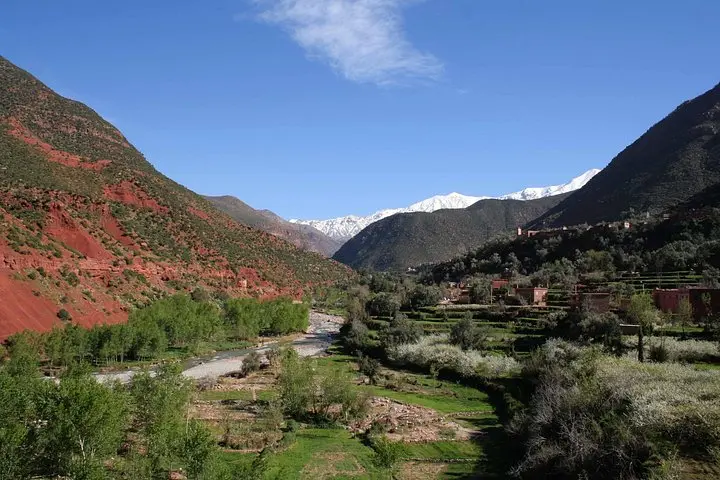
You leave Marrakech behind as the road angles south and the city noise thins into the warm hush of olive trees and argan scrub. The Ourika Valley opens like a slow-motion reveal: terraces cut into slopes, river bends that dare you to step closer, and a string of low-slung berber houses perched on clay banks. By midmorning you arrive in Setti Fatma, a village at roughly 1,500 m where walnut trees lean toward the mountain breeze and the trailhead points to a series of waterfalls.
Verified experiences and guided adventures in the surrounding area.
Operated by Toubkal Trekking · Setti Fatma, Marrakesh-Safi
You leave Marrakech behind as the road angles south and the city noise thins into the warm hush of olive trees and argan scrub. The Ourika Valley opens like a slow-motion reveal: terraces cut into slopes, river bends that dare you to step closer, and a string of low-slung berber houses perched on clay banks. By midmorning you arrive in Setti Fatma, a village at roughly 1,500 m where walnut trees lean toward the mountain breeze and the trailhead points to a series of waterfalls.
Geologically the valley is a cut in the southern flank of the High Atlas—soft sedimentary layers give way to steep gullies fed by seasonal snowmelt. Culturally, the valley is shaped by Amazigh (Berber) life: argan cooperatives, mule tracks and terrace farming that predate modern roads. A stop at a women’s argan cooperative offers local-made oil and practical insight into regional livelihoods.
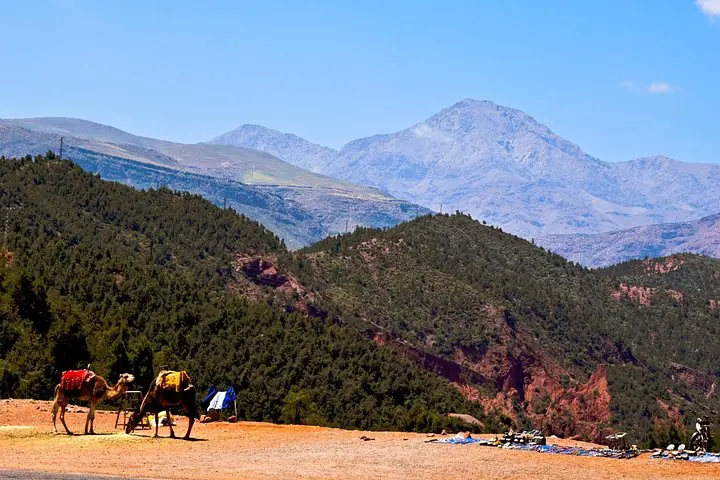
The short walk to the waterfalls ranges from packed dirt to rocky creekside steps; expect intermittent shade and several viewpoints rather than a single panoramic summit. The camel ride is a brief, scenic experience along valley flats—suitable for most travelers but not recommended for people with back problems or pregnant visitors.
Practical guidance: start early to avoid the midday heat, bring layered clothing for cooler mountain air, and carry water and sun protection. Leave no trace on the footpaths and support local vendors directly when buying argan products or crafts. With a mix of easy walking, cultural stops, and a touch of animal-backed travel, this day trip is an accessible way to experience the High Atlas close to Marrakech.
The tour is a full-day excursion, typically departing Marrakech around 9:00 AM and returning around 5:00 PM.
Children can ride if accompanied by an adult; camel riding is not recommended for pregnant travelers or people with back problems.
Yes—there is a short guided or self-guided walk from Setti Fatma to a series of waterfalls; terrain is uneven but generally easy.
Yes, the itinerary commonly includes a stop at a women’s argan cooperative and small roadside souks where you can purchase local products.
Toubkal Trekking operates guided outdoor trips and adventures with an emphasis on safety, stewardship, and memorable experiences.
You leave Marrakech behind as the road angles south and the city noise thins into the warm hush of olive trees and argan scrub. The Ourika Valley opens like a slow-motion reveal: terraces cut into slopes, river bends that dare you to step closer, and a string of low-slung berber houses perched on clay banks. By midmorning you arrive in Setti Fatma, a village at roughly 1,500 m where walnut trees lean toward the mountain breeze and the trailhead points to a series of waterfalls.
You leave Marrakech behind as the road angles south and the city noise thins into the warm hush of olive trees and argan scrub. The Ourika Valley opens like a slow-motion reveal: terraces cut into slopes, river bends that dare you to step closer, and a string of low-slung berber houses perched on clay banks. By midmorning you arrive in Setti Fatma, a village at roughly 1,500 m where walnut trees lean toward the mountain breeze and the trailhead points to a series of waterfalls.
Geologically the valley is a cut in the southern flank of the High Atlas—soft sedimentary layers give way to steep gullies fed by seasonal snowmelt. Culturally, the valley is shaped by Amazigh (Berber) life: argan cooperatives, mule tracks and terrace farming that predate modern roads. A stop at a women’s argan cooperative offers local-made oil and practical insight into regional livelihoods.
The short walk to the waterfalls ranges from packed dirt to rocky creekside steps; expect intermittent shade and several viewpoints rather than a single panoramic summit. The camel ride is a brief, scenic experience along valley flats—suitable for most travelers but not recommended for people with back problems or pregnant visitors.
Practical guidance: start early to avoid the midday heat, bring layered clothing for cooler mountain air, and carry water and sun protection. Leave no trace on the footpaths and support local vendors directly when buying argan products or crafts. With a mix of easy walking, cultural stops, and a touch of animal-backed travel, this day trip is an accessible way to experience the High Atlas close to Marrakech.