THE ADVENTURE COLLECTIVE® · Independent discovery and booking for outdoor travel

A quick escape from Marrakech into the foothills of the High Atlas, the Ourika Valley day trip combines short mountain treks, riverside restaurants and Berber village visits. Expect waterfalls, easy-to-moderate trails, and optional camel rides—ideal for a half-day outdoors.
A quick escape from Marrakech into the foothills of the High Atlas, the Ourika Valley day trip combines short mountain treks, riverside restaurants and Berber village visits. Expect waterfalls, easy-to-moderate trails, and optional camel rides—ideal for a half-day outdoors.
You leave Marrakech before the heat; the road unspools south into low foothills where the Atlas wedges up from the plain. Green terraces and palm-lined river turns slip past the van windows, and the Ourika River, restless and bright, seems to dare you to follow it upriver. By the time you reach Setti Fatma the scent of wet stone and thyme is in the air and the spray from the lower cascades cools your face.
Verified experiences and guided adventures in the surrounding area.
Operated by Intercity Journeys · Setti Fatma, Marrakesh-Safi
You leave Marrakech before the heat; the road unspools south into low foothills where the Atlas wedges up from the plain. Green terraces and palm-lined river turns slip past the van windows, and the Ourika River, restless and bright, seems to dare you to follow it upriver. By the time you reach Setti Fatma the scent of wet stone and thyme is in the air and the spray from the lower cascades cools your face.
Geology here is blunt: the High Atlas is a young fold of African crust pushing skyward, and the river has carved steep-sided gullies and stepped terraces that locals use for olives and fruit trees. The valley is inhabited by Amazigh (Berber) communities whose houses—built into slopes with stone and plaster—reflect centuries of adapting to thin soil and seasonal water. Small poetry gatherings and river-side restaurants offer a direct line into local life.
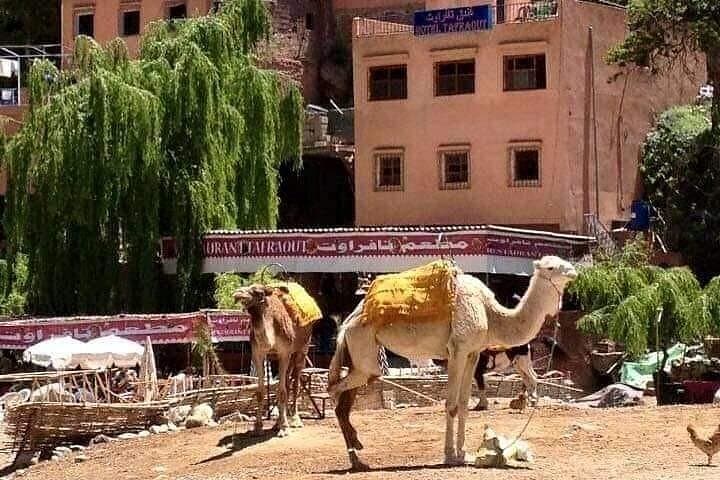
Expect a short guided trek to a series of waterfalls (the Setti Fatma cascades), easy-to-moderate footing on rocky trails, and optional extras like a 20-minute camel ride and stops at a Berber household. The day trip runs about four hours on-site with door-to-door shuttle service from Marrakech.
Practical guidance: go early to avoid mid-afternoon crowds and heat; wear sturdy shoes and bring at least 1 liter of water; expect uneven steps and some short uphill sections; cash is useful for tipping, snacks, and optional activities. Respect local customs—ask before photographing people—and leave no trace on fragile terraces.
Guides lead short treks of varying length; plan on 30–60 minutes round-trip to the main cascades depending on pace and how many viewpoints you stop at.
No—the 20-minute camel ride is optional and not included in the base price; this is typically paid on-site in cash.
The shared trip includes rocky trails and stone steps; those with significant mobility limits should consider staying at riverside restaurants instead of trekking to the upper falls.
Yes—many riverside restaurants and picnic stops offer vegetarian dishes; advise the operator at booking if you need specific meal arrangements.
Intercity Journeys operates guided outdoor trips and adventures with an emphasis on safety, stewardship, and memorable experiences.


You leave Marrakech before the heat; the road unspools south into low foothills where the Atlas wedges up from the plain. Green terraces and palm-lined river turns slip past the van windows, and the Ourika River, restless and bright, seems to dare you to follow it upriver. By the time you reach Setti Fatma the scent of wet stone and thyme is in the air and the spray from the lower cascades cools your face.
You leave Marrakech before the heat; the road unspools south into low foothills where the Atlas wedges up from the plain. Green terraces and palm-lined river turns slip past the van windows, and the Ourika River, restless and bright, seems to dare you to follow it upriver. By the time you reach Setti Fatma the scent of wet stone and thyme is in the air and the spray from the lower cascades cools your face.
Geology here is blunt: the High Atlas is a young fold of African crust pushing skyward, and the river has carved steep-sided gullies and stepped terraces that locals use for olives and fruit trees. The valley is inhabited by Amazigh (Berber) communities whose houses—built into slopes with stone and plaster—reflect centuries of adapting to thin soil and seasonal water. Small poetry gatherings and river-side restaurants offer a direct line into local life.
Expect a short guided trek to a series of waterfalls (the Setti Fatma cascades), easy-to-moderate footing on rocky trails, and optional extras like a 20-minute camel ride and stops at a Berber household. The day trip runs about four hours on-site with door-to-door shuttle service from Marrakech.
Practical guidance: go early to avoid mid-afternoon crowds and heat; wear sturdy shoes and bring at least 1 liter of water; expect uneven steps and some short uphill sections; cash is useful for tipping, snacks, and optional activities. Respect local customs—ask before photographing people—and leave no trace on fragile terraces.