THE ADVENTURE COLLECTIVE® · Independent discovery and booking for outdoor travel

Escape Marrakech for a full-day journey into the High Atlas where Berber tea, terraced farms and the Setti Fatma waterfalls make for a practical, scenic hike and cultural visit. Learn what to expect—trail conditions, timing, and what to pack—before you go.
Escape Marrakech for a full-day journey into the High Atlas where Berber tea, terraced farms and the Setti Fatma waterfalls make for a practical, scenic hike and cultural visit. Learn what to expect—trail conditions, timing, and what to pack—before you go.
The day begins on a ribbon of asphalt peeling away from Marrakech, olive groves and cedar-scented air pressing close as the High Atlas rises ahead. By mid-morning the road narrows into a valley corridor where terraced fields cling to the slopes and the Ourika River threads silver between stone villages; the first stop is a Berber house with a terrace that opens the valley like a map.
Verified experiences and guided adventures in the surrounding area.
Operated by Tours 4 you · Ourika, Marrakesh-Safi
The day begins on a ribbon of asphalt peeling away from Marrakech, olive groves and cedar-scented air pressing close as the High Atlas rises ahead. By mid-morning the road narrows into a valley corridor where terraced fields cling to the slopes and the Ourika River threads silver between stone villages; the first stop is a Berber house with a terrace that opens the valley like a map.
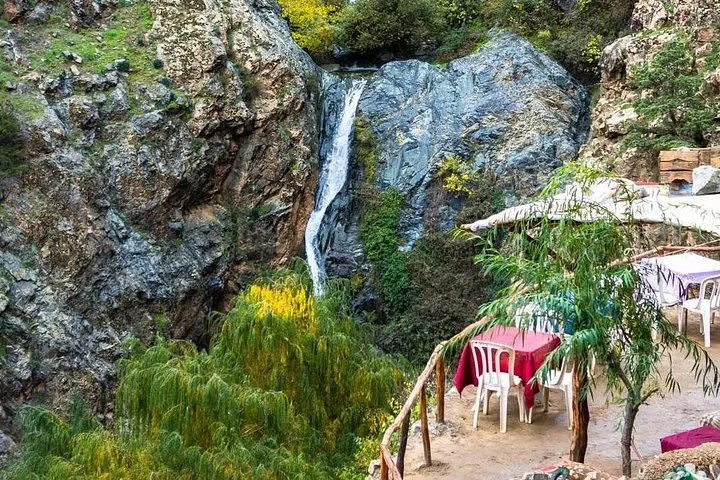
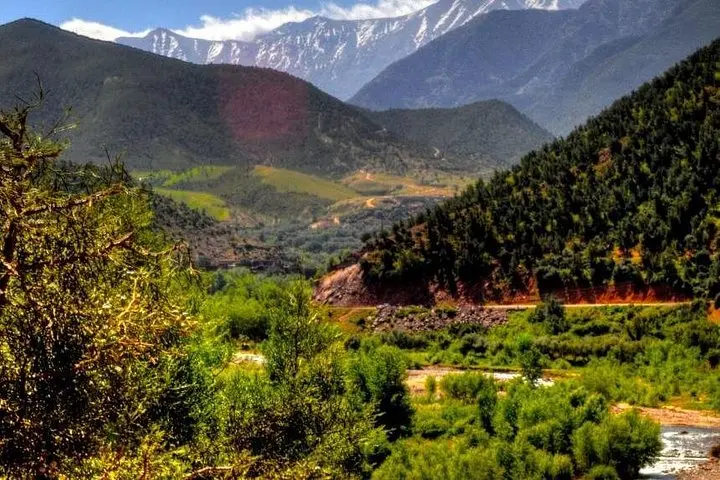
Geology here is visible: folded schists and igneous outcrops of the High Atlas speak to an uplifted landscape carved by seasonal runoff. Settlements in the valley retain a long Berber presence—ancestral agriculture, communal ovens, and tea rituals that travelers encounter at a family home. The Setti Fatma waterfalls—seven cascades if the season is generous—offer a compact hike with rocky steps, river crossings, and viewpoints that reward steady pace with cooling spray.
Expect culture and cuisine: a guided tea ceremony, a home-cooked tagine lunch by the river, and simple interactions that reveal daily mountain life. The walking is uneven but not technical; local guides and mule trails make the route accessible to most visitors.
Practical guidance: bring sturdy shoes with good tread, carry 1–2 liters of water, and plan for sun and shade—temperatures swing with elevation. If you’re driving from Marrakech, allow 45–75 minutes each way depending on traffic and road conditions. Morning departures avoid the afternoon heat and allow better light for photos of the terraces and waterfalls.
This outing is both a cultural visit and a short mountain hike—compact, approachable, and seasonally dramatic when rivers run high.
Expect 45–75 minutes each way depending on traffic and exact pick-up location in Marrakech.
The hike involves uneven, rocky trails and some short climbs but is non-technical; moderate fitness is recommended.
The itinerary includes a traditional Berber breakfast and a tagine lunch, plus a tea ceremony during the village visit.
Yes—this tour is described as suitable for all fitness levels, but mobility limitations may make the waterfall hike challenging for some.
Tours 4 you operates guided outdoor trips and adventures with an emphasis on safety, stewardship, and memorable experiences.
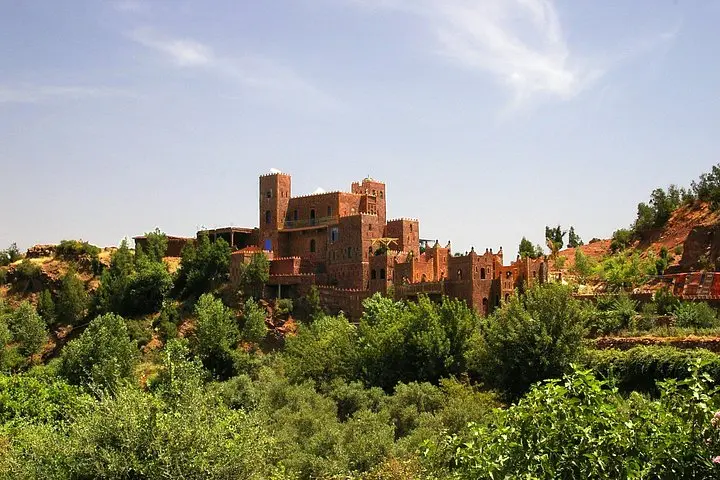
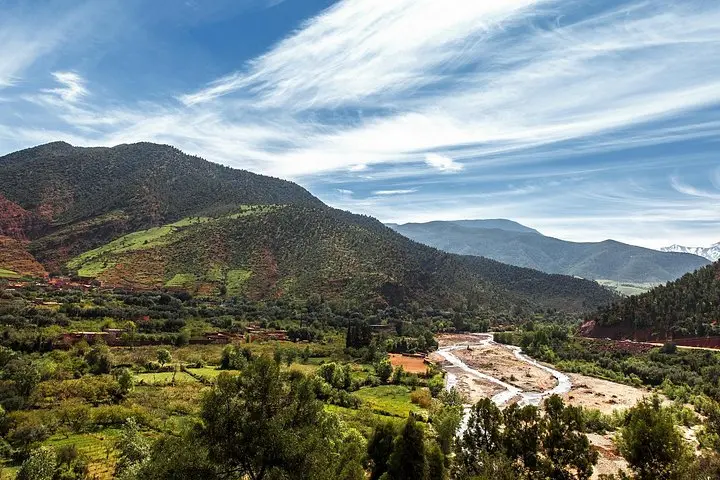
The day begins on a ribbon of asphalt peeling away from Marrakech, olive groves and cedar-scented air pressing close as the High Atlas rises ahead. By mid-morning the road narrows into a valley corridor where terraced fields cling to the slopes and the Ourika River threads silver between stone villages; the first stop is a Berber house with a terrace that opens the valley like a map.
The day begins on a ribbon of asphalt peeling away from Marrakech, olive groves and cedar-scented air pressing close as the High Atlas rises ahead. By mid-morning the road narrows into a valley corridor where terraced fields cling to the slopes and the Ourika River threads silver between stone villages; the first stop is a Berber house with a terrace that opens the valley like a map.
Geology here is visible: folded schists and igneous outcrops of the High Atlas speak to an uplifted landscape carved by seasonal runoff. Settlements in the valley retain a long Berber presence—ancestral agriculture, communal ovens, and tea rituals that travelers encounter at a family home. The Setti Fatma waterfalls—seven cascades if the season is generous—offer a compact hike with rocky steps, river crossings, and viewpoints that reward steady pace with cooling spray.
Expect culture and cuisine: a guided tea ceremony, a home-cooked tagine lunch by the river, and simple interactions that reveal daily mountain life. The walking is uneven but not technical; local guides and mule trails make the route accessible to most visitors.
Practical guidance: bring sturdy shoes with good tread, carry 1–2 liters of water, and plan for sun and shade—temperatures swing with elevation. If you’re driving from Marrakech, allow 45–75 minutes each way depending on traffic and road conditions. Morning departures avoid the afternoon heat and allow better light for photos of the terraces and waterfalls.
This outing is both a cultural visit and a short mountain hike—compact, approachable, and seasonally dramatic when rivers run high.