THE ADVENTURE COLLECTIVE® · Independent discovery and booking for outdoor travel

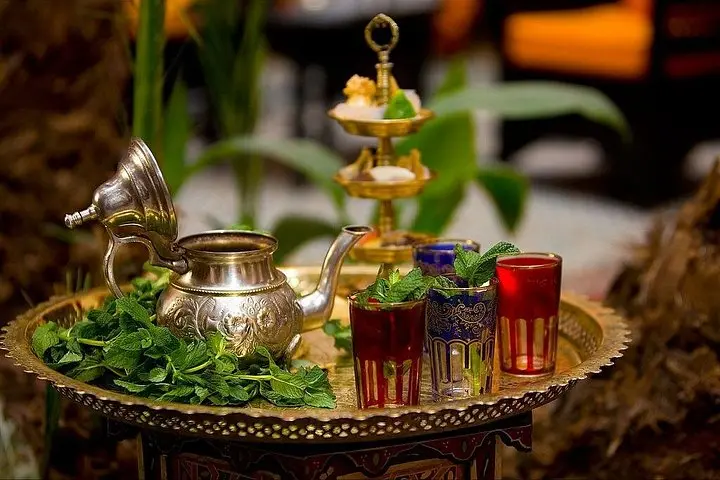
Escape Marrakesh for a day in the High Atlas: drive through Asni and Tahnaout to the Ourika Valley, visit an argan cooperative, hike to Setti Fatma waterfalls, and share mint tea with a Berber family.
Escape Marrakesh for a day in the High Atlas: drive through Asni and Tahnaout to the Ourika Valley, visit an argan cooperative, hike to Setti Fatma waterfalls, and share mint tea with a Berber family.
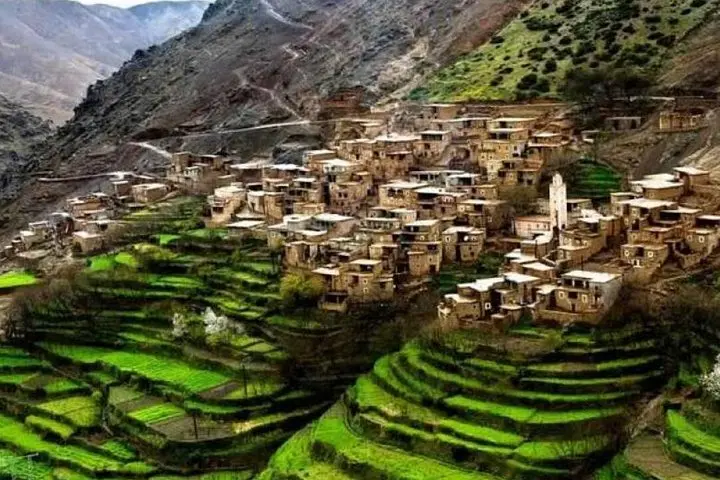
A short drive south from Marrakesh, the road loosens the city’s heat and the High Atlas rises like a shifting wall; olive terraces and argan trees slope down toward the Ourika River. By midmorning the valley opens—steep scree and folded limestone frame bright green plots, while mountain streams dare you closer with their steady chatter.
Verified experiences and guided adventures in the surrounding area.
Operated by JD Morocco Tours, Sarl · Marrakesh, Marrakech-Safi
A short drive south from Marrakesh, the road loosens the city’s heat and the High Atlas rises like a shifting wall; olive terraces and argan trees slope down toward the Ourika River. By midmorning the valley opens—steep scree and folded limestone frame bright green plots, while mountain streams dare you closer with their steady chatter.
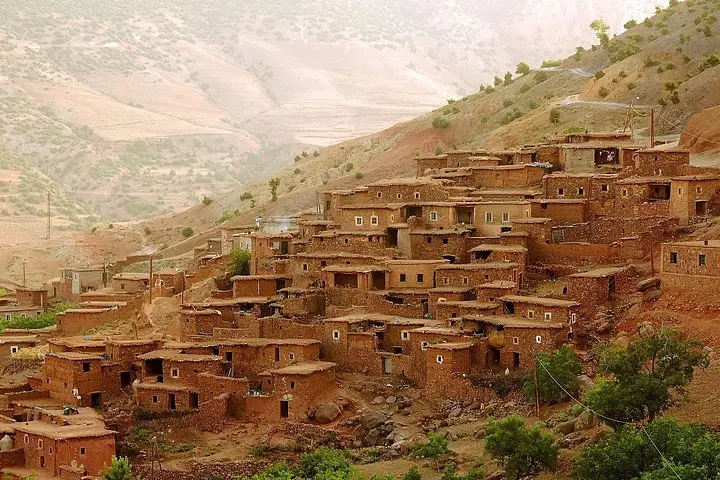
The Ourika Valley has long been a seasonal lifeline for Berber communities; terraces and stone houses reflect generations of dryland farming and transhumance. Geologically the valley is carved from Precambrian and Mesozoic rock uplifted by the Atlas orogeny, with gullies and the Mulay Brahim gorge channeling sudden winter runoff into cataracts at Setti Fatma. Culturally, you’ll meet families whose daily rhythms still center on shared tea, goat herding, and argan pressing—cooperatives sell cold-pressed oil pressed from local kernels.
Practically, this is a full-day, low-impact exploration: expect a guided drive through Asni and Tahnaout, a visit to an argan co-op, a riverside Berber lunch, and short walks to the Setti Fatma cascades. Trails to the falls are uneven and can be slippery after rain; bring sturdy footwear and at least 1.5 liters of water. Morning light is best for photos; afternoons warm quickly in summer. Respect private compounds when visiting a Berber home and carry small change for co-op purchases.
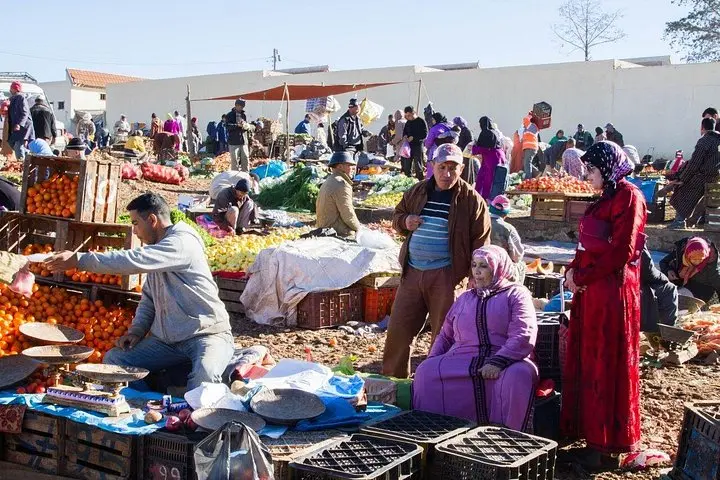
This route gives a compact taste of Atlas life—mountain panoramas, lively markets, and the scent of mint tea—without technical climbing, but with enough walking and cultural texture to fill a memorable day outside Marrakesh.
Expect about 45–60 minutes each way depending on traffic and stops, with the full tour lasting roughly eight hours.
No technical difficulty, but trails are steep and uneven; basic mobility and closed-toe shoes are recommended.
Yes—an authentic Berber lunch by the river is included as part of the tour.
Yes—this tour is family-friendly, but infants should sit on laps and parents should supervise near water and steep paths.
JD Morocco Tours, Sarl operates guided outdoor trips and adventures with an emphasis on safety, stewardship, and memorable experiences.
A short drive south from Marrakesh, the road loosens the city’s heat and the High Atlas rises like a shifting wall; olive terraces and argan trees slope down toward the Ourika River. By midmorning the valley opens—steep scree and folded limestone frame bright green plots, while mountain streams dare you closer with their steady chatter.
A short drive south from Marrakesh, the road loosens the city’s heat and the High Atlas rises like a shifting wall; olive terraces and argan trees slope down toward the Ourika River. By midmorning the valley opens—steep scree and folded limestone frame bright green plots, while mountain streams dare you closer with their steady chatter.
The Ourika Valley has long been a seasonal lifeline for Berber communities; terraces and stone houses reflect generations of dryland farming and transhumance. Geologically the valley is carved from Precambrian and Mesozoic rock uplifted by the Atlas orogeny, with gullies and the Mulay Brahim gorge channeling sudden winter runoff into cataracts at Setti Fatma. Culturally, you’ll meet families whose daily rhythms still center on shared tea, goat herding, and argan pressing—cooperatives sell cold-pressed oil pressed from local kernels.
Practically, this is a full-day, low-impact exploration: expect a guided drive through Asni and Tahnaout, a visit to an argan co-op, a riverside Berber lunch, and short walks to the Setti Fatma cascades. Trails to the falls are uneven and can be slippery after rain; bring sturdy footwear and at least 1.5 liters of water. Morning light is best for photos; afternoons warm quickly in summer. Respect private compounds when visiting a Berber home and carry small change for co-op purchases.
This route gives a compact taste of Atlas life—mountain panoramas, lively markets, and the scent of mint tea—without technical climbing, but with enough walking and cultural texture to fill a memorable day outside Marrakesh.