THE ADVENTURE COLLECTIVE® · Independent discovery and booking for outdoor travel

Escape Marrakech for a day and follow the Ourika River into the High Atlas to Setti Fatma’s waterfalls. This guided trip blends short, rocky hikes with Berber culture, argan cooperatives and a riverside tagine.
Escape Marrakech for a day and follow the Ourika River into the High Atlas to Setti Fatma’s waterfalls. This guided trip blends short, rocky hikes with Berber culture, argan cooperatives and a riverside tagine.
You leave Marrakech behind at first light, the city shrinking into ochre roofs and the road stretching south into the High Atlas. The minivan climbs, and olive groves give way to terraced slopes; soon the river’s voice grows louder and the cedar-scented air feels cooler. At Setti Fatma, the trail threads along the Ourika River, stepping across sun-warmed rocks toward a string of cascading falls that push and tumble through the canyon.
Verified experiences and guided adventures in the surrounding area.
Operated by Atlas Discovery Tours · Marrakech, Marrakech-Safi
You leave Marrakech behind at first light, the city shrinking into ochre roofs and the road stretching south into the High Atlas. The minivan climbs, and olive groves give way to terraced slopes; soon the river’s voice grows louder and the cedar-scented air feels cooler. At Setti Fatma, the trail threads along the Ourika River, stepping across sun-warmed rocks toward a string of cascading falls that push and tumble through the canyon.
The Ourika Valley sits on the northern edge of the High Atlas, formed as tectonic plates lifted the ranges and rivers carved steep gorges. This valley has long been home to Amazigh (Berber) communities whose lives follow river seasons; argan cooperatives and small markets reflect that daily economy. On market days (often Monday or Friday) the valley hums with local trade—textiles, spices and produce laid out beside the road.
Expect a guided stroll of short switchbacks and stone steps: roughly 3–5 km round-trip with 150–300 m of cumulative elevation gain depending on how far you push upstream. Terrain alternates packed dirt, loose scree and riverbed stones; the falls themselves reward the effort with spray, cool pools and picnic spots where local tagine is often served.
Practical notes: start early to avoid mid-day heat, bring at least 1L water, and wear sturdy shoes for slippery rocks. Keep small bills for cooperative purchases and tipping guides. The excursion suits most fitness levels but includes uneven footing and some short climbs—move deliberately, and the valley will open up its best views.
Yes; the tour typically includes hotel pickup and drop-off in Marrakech via air-conditioned minivan or 4WD.
The guided walks are generally 3–5 km round-trip with intermittent elevation—allow 1.5–3 hours depending on pace and stops.
Most itineraries include a stop at an argan cooperative and a market on market days (often Monday or Friday), but timing can vary by schedule.
Yes; the tour is marketed as suitable for a wide range of fitness levels, though some sections involve uneven footing and short climbs—children should be supervised.
Atlas Discovery Tours operates guided outdoor trips and adventures with an emphasis on safety, stewardship, and memorable experiences.
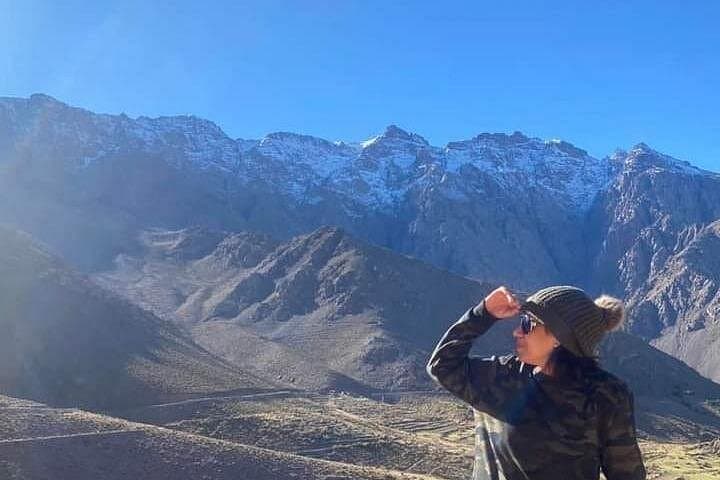
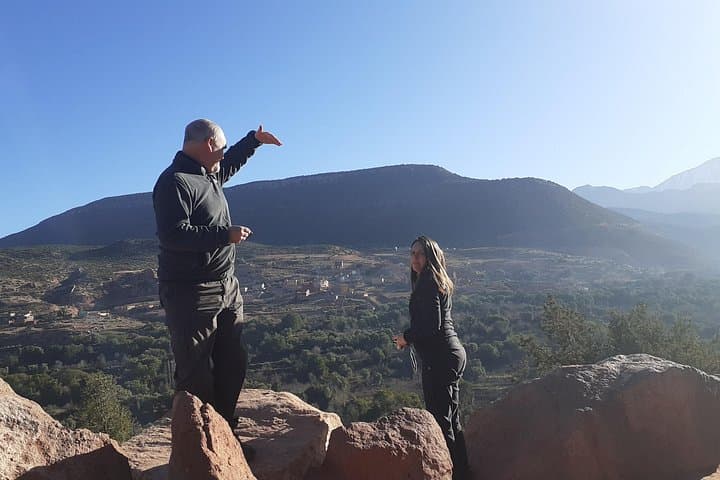
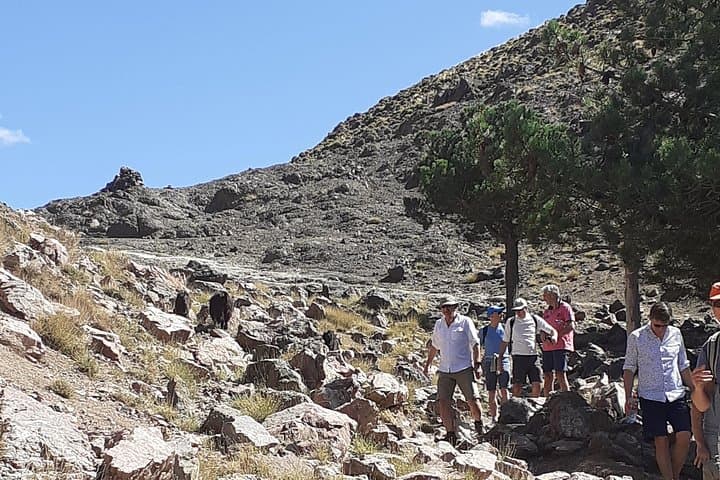
You leave Marrakech behind at first light, the city shrinking into ochre roofs and the road stretching south into the High Atlas. The minivan climbs, and olive groves give way to terraced slopes; soon the river’s voice grows louder and the cedar-scented air feels cooler. At Setti Fatma, the trail threads along the Ourika River, stepping across sun-warmed rocks toward a string of cascading falls that push and tumble through the canyon.
You leave Marrakech behind at first light, the city shrinking into ochre roofs and the road stretching south into the High Atlas. The minivan climbs, and olive groves give way to terraced slopes; soon the river’s voice grows louder and the cedar-scented air feels cooler. At Setti Fatma, the trail threads along the Ourika River, stepping across sun-warmed rocks toward a string of cascading falls that push and tumble through the canyon.
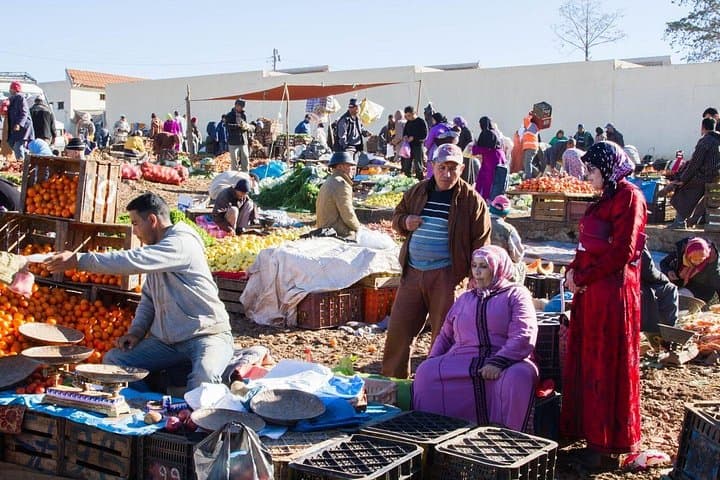
The Ourika Valley sits on the northern edge of the High Atlas, formed as tectonic plates lifted the ranges and rivers carved steep gorges. This valley has long been home to Amazigh (Berber) communities whose lives follow river seasons; argan cooperatives and small markets reflect that daily economy. On market days (often Monday or Friday) the valley hums with local trade—textiles, spices and produce laid out beside the road.
Expect a guided stroll of short switchbacks and stone steps: roughly 3–5 km round-trip with 150–300 m of cumulative elevation gain depending on how far you push upstream. Terrain alternates packed dirt, loose scree and riverbed stones; the falls themselves reward the effort with spray, cool pools and picnic spots where local tagine is often served.
Practical notes: start early to avoid mid-day heat, bring at least 1L water, and wear sturdy shoes for slippery rocks. Keep small bills for cooperative purchases and tipping guides. The excursion suits most fitness levels but includes uneven footing and some short climbs—move deliberately, and the valley will open up its best views.