THE ADVENTURE COLLECTIVE® · Independent discovery and booking for outdoor travel

Escape Marrakech for a day and follow the Ourika River into the Atlas foothills—hike to Setti-Fatma’s waterfalls, meet a Berber village and visit an argan cooperative, with an optional short camel ride and riverside lunch.
Escape Marrakech for a day and follow the Ourika River into the Atlas foothills—hike to Setti-Fatma’s waterfalls, meet a Berber village and visit an argan cooperative, with an optional short camel ride and riverside lunch.
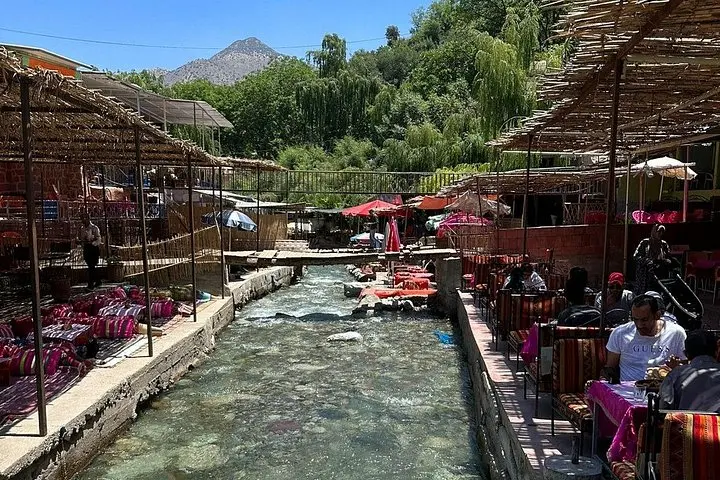
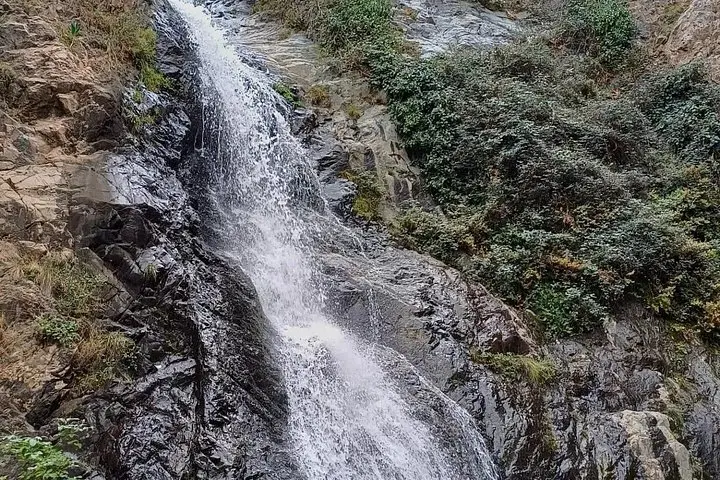
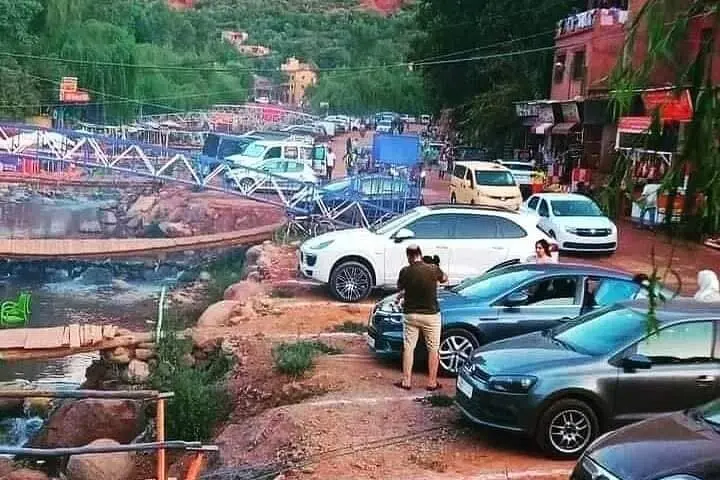
Morning light from Marrakech flattens the city’s heat as the minibus threads toward the Atlas foothills; olive orchards and low argan trees tilt into view and the Ourika River begins to murmur. Arriving at Setti-Fatma, the trail opens into a sequence of river-sliced terraces and a string of waterfalls—mountain water that seems to dare you to follow it upstream. A local guide leads the way through village lanes where stone houses and stacked flat roofs show generations of Berber life.
Verified experiences and guided adventures in the surrounding area.
Operated by Zwin Travel - Excursion Quad, Buggy & Camp Agafay Marrakech · Setti Fatma, Marrakesh-Safi
Morning light from Marrakech flattens the city’s heat as the minibus threads toward the Atlas foothills; olive orchards and low argan trees tilt into view and the Ourika River begins to murmur. Arriving at Setti-Fatma, the trail opens into a sequence of river-sliced terraces and a string of waterfalls—mountain water that seems to dare you to follow it upstream. A local guide leads the way through village lanes where stone houses and stacked flat roofs show generations of Berber life.
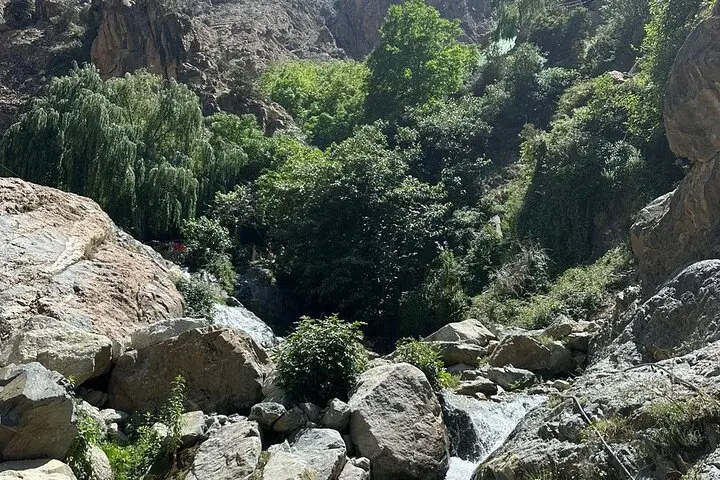
The valley sits on folded Atlas geology: schist and sandstone carved by seasonal runoff, feeding springs that made the area habitable for centuries. Visitors meet women’s argan cooperatives where a hand-pressed oil tradition sustains families and preserves rural craft. Camels, offered at a short stop, evoke trade routes rather than long desert treks—a playful local experience rather than wilderness travel.
Expect a mix of easy walking and a steeper, rocky section to the waterfalls (roughly 45–90 minutes depending on pace). Photographic viewpoints punctuate the drive; the lunch stop beside the river typically serves tagine and mint tea.
Practical guidance: bring sturdy shoes for uneven rock and stream crossings, carry 1–2 liters of water, and plan for variable mountain weather—mornings are cooler, afternoons warm. Start mid-morning to avoid midday heat and leave time for the cooperative visit and a relaxed lunch. Respect private homes in villages, ask before photographing people, and consider buying argan products directly from the cooperative to support local livelihoods.
Camel rides are offered as an optional add-on for a short 20-minute experience—confirm when booking or on pickup.
The hike is generally short but includes uneven and sometimes steep sections; most visitors with average fitness complete it with a local guide.
The tour notes wheelchair and stroller accessibility for vehicle transport, but the waterfall trail itself is not suitable for wheelchairs or standard strollers.
Guides commonly speak English, French and Arabic; confirm language needs when booking if you require another language.
Zwin Travel - Excursion Quad, Buggy & Camp Agafay Marrakech operates guided outdoor trips and adventures with an emphasis on safety, stewardship, and memorable experiences.
Morning light from Marrakech flattens the city’s heat as the minibus threads toward the Atlas foothills; olive orchards and low argan trees tilt into view and the Ourika River begins to murmur. Arriving at Setti-Fatma, the trail opens into a sequence of river-sliced terraces and a string of waterfalls—mountain water that seems to dare you to follow it upstream. A local guide leads the way through village lanes where stone houses and stacked flat roofs show generations of Berber life.
Morning light from Marrakech flattens the city’s heat as the minibus threads toward the Atlas foothills; olive orchards and low argan trees tilt into view and the Ourika River begins to murmur. Arriving at Setti-Fatma, the trail opens into a sequence of river-sliced terraces and a string of waterfalls—mountain water that seems to dare you to follow it upstream. A local guide leads the way through village lanes where stone houses and stacked flat roofs show generations of Berber life.
The valley sits on folded Atlas geology: schist and sandstone carved by seasonal runoff, feeding springs that made the area habitable for centuries. Visitors meet women’s argan cooperatives where a hand-pressed oil tradition sustains families and preserves rural craft. Camels, offered at a short stop, evoke trade routes rather than long desert treks—a playful local experience rather than wilderness travel.
Expect a mix of easy walking and a steeper, rocky section to the waterfalls (roughly 45–90 minutes depending on pace). Photographic viewpoints punctuate the drive; the lunch stop beside the river typically serves tagine and mint tea.
Practical guidance: bring sturdy shoes for uneven rock and stream crossings, carry 1–2 liters of water, and plan for variable mountain weather—mornings are cooler, afternoons warm. Start mid-morning to avoid midday heat and leave time for the cooperative visit and a relaxed lunch. Respect private homes in villages, ask before photographing people, and consider buying argan products directly from the cooperative to support local livelihoods.