THE ADVENTURE COLLECTIVE® · Independent discovery and booking for outdoor travel

Escape Marrakech for a full‑day excursion into the Atlas foothills: stroll Anima Garden, hike to Setti Fatma’s waterfalls, and enjoy a riverside Berber lunch. This accessible day trip blends nature, culture, and easy hiking suited to curious outdoor travelers.
Escape Marrakech for a full‑day excursion into the Atlas foothills: stroll Anima Garden, hike to Setti Fatma’s waterfalls, and enjoy a riverside Berber lunch. This accessible day trip blends nature, culture, and easy hiking suited to curious outdoor travelers.
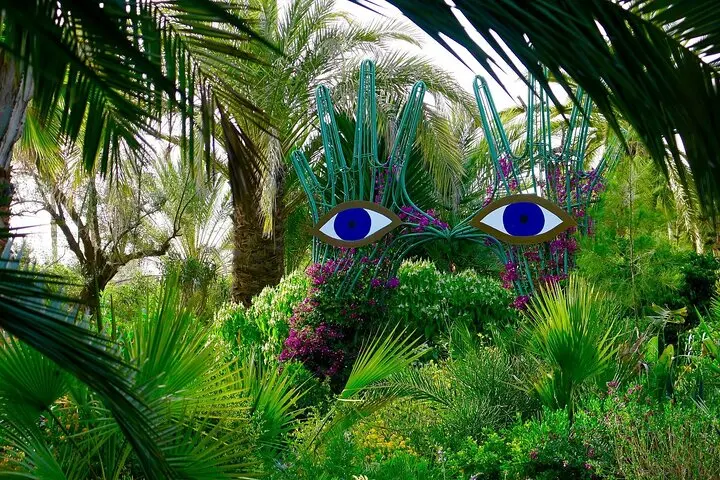
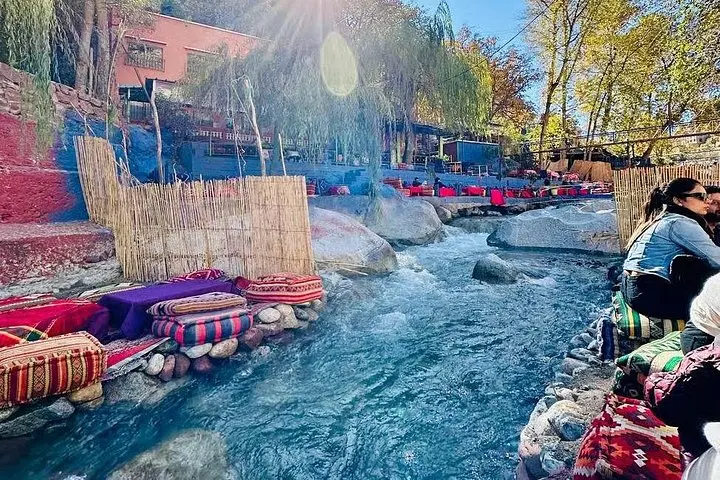
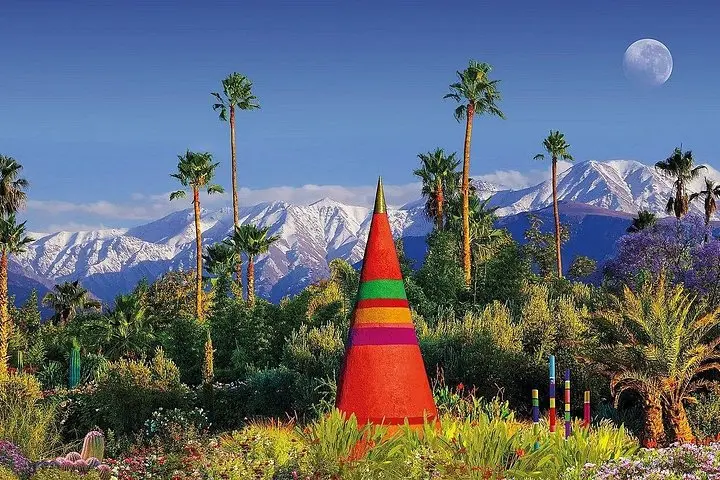
The road out of Marrakech drops away and the air shifts — dust gives way to rosemary-scented breeze and the Atlas foothills push forward like a line of raised fists. By midmorning you reach the Anima Garden, where sculpted paths and exotic plants frame sweeping mountain views; later a short hike follows the Ourika River upstream toward the Setti Fatma falls, each pool a cool pause in the sun.
Verified experiences and guided adventures in the surrounding area.
Operated by Morocco Mosaic Tours · Setti Fatma, Marrakech-Safi
The road out of Marrakech drops away and the air shifts — dust gives way to rosemary-scented breeze and the Atlas foothills push forward like a line of raised fists. By midmorning you reach the Anima Garden, where sculpted paths and exotic plants frame sweeping mountain views; later a short hike follows the Ourika River upstream toward the Setti Fatma falls, each pool a cool pause in the sun.
The Ourika Valley has been a living landscape for centuries: terraced fields, stone irrigation channels, and Berber hamlets trace traditional mountain agriculture and community life. Geologically the valley is carved from folded sedimentary rock and alluvial fans; seasonal streams swell quickly in winter and slow to clear fingers of water in summer, shaping the stair-step waterfalls that draw visitors.
Culture here is tactile — women-run cooperatives demonstrate argan oil pressing, and a Berber lunch by the river centers simple, local ingredients. Expect practical comforts: paved access for most of the drive, short but sometimes rocky footpaths for the waterfall walk, and local vendors near main viewpoints.
Practical guidance: wear sturdy, grippy shoes for wet, uneven trails; carry 1–2 liters of water, sun protection, and small bills for cooperatives and tips. Morning departures keep midday heat manageable; bring a lightweight layer as mountain shade cools quickly. If you’re traveling with limited mobility, the garden and some viewpoints are accessible, but the waterfall route includes steps and loose rock. Respect the river — avoid single-use plastics, support the women’s cooperative if offered, and leave the sounds of the valley intact for the next hiker.
The drive typically takes about 45–75 minutes each way depending on traffic and your hotel’s location in Marrakech.
Yes, families can do the route, but expect rocky sections and stairs — supervise young children and bring water and comfortable shoes.
Anima Garden admission is usually included on organized tours; check your booking details. Access to the waterfall trail is free, though guided sections or parking may have small fees.
Yes—many tours stop at a women’s cooperative or artisan demonstration where you can observe traditional argan pressing and buy products directly.
Morocco Mosaic Tours operates guided outdoor trips and adventures with an emphasis on safety, stewardship, and memorable experiences.
The road out of Marrakech drops away and the air shifts — dust gives way to rosemary-scented breeze and the Atlas foothills push forward like a line of raised fists. By midmorning you reach the Anima Garden, where sculpted paths and exotic plants frame sweeping mountain views; later a short hike follows the Ourika River upstream toward the Setti Fatma falls, each pool a cool pause in the sun.
The road out of Marrakech drops away and the air shifts — dust gives way to rosemary-scented breeze and the Atlas foothills push forward like a line of raised fists. By midmorning you reach the Anima Garden, where sculpted paths and exotic plants frame sweeping mountain views; later a short hike follows the Ourika River upstream toward the Setti Fatma falls, each pool a cool pause in the sun.
The Ourika Valley has been a living landscape for centuries: terraced fields, stone irrigation channels, and Berber hamlets trace traditional mountain agriculture and community life. Geologically the valley is carved from folded sedimentary rock and alluvial fans; seasonal streams swell quickly in winter and slow to clear fingers of water in summer, shaping the stair-step waterfalls that draw visitors.
Culture here is tactile — women-run cooperatives demonstrate argan oil pressing, and a Berber lunch by the river centers simple, local ingredients. Expect practical comforts: paved access for most of the drive, short but sometimes rocky footpaths for the waterfall walk, and local vendors near main viewpoints.
Practical guidance: wear sturdy, grippy shoes for wet, uneven trails; carry 1–2 liters of water, sun protection, and small bills for cooperatives and tips. Morning departures keep midday heat manageable; bring a lightweight layer as mountain shade cools quickly. If you’re traveling with limited mobility, the garden and some viewpoints are accessible, but the waterfall route includes steps and loose rock. Respect the river — avoid single-use plastics, support the women’s cooperative if offered, and leave the sounds of the valley intact for the next hiker.